Cocoa farmers urge review of Bill before presidential assent
Cocoa farmers have urged the Government to delay assent to the Ghana Cocoa Board Bill, 2026, pending wider consultations.
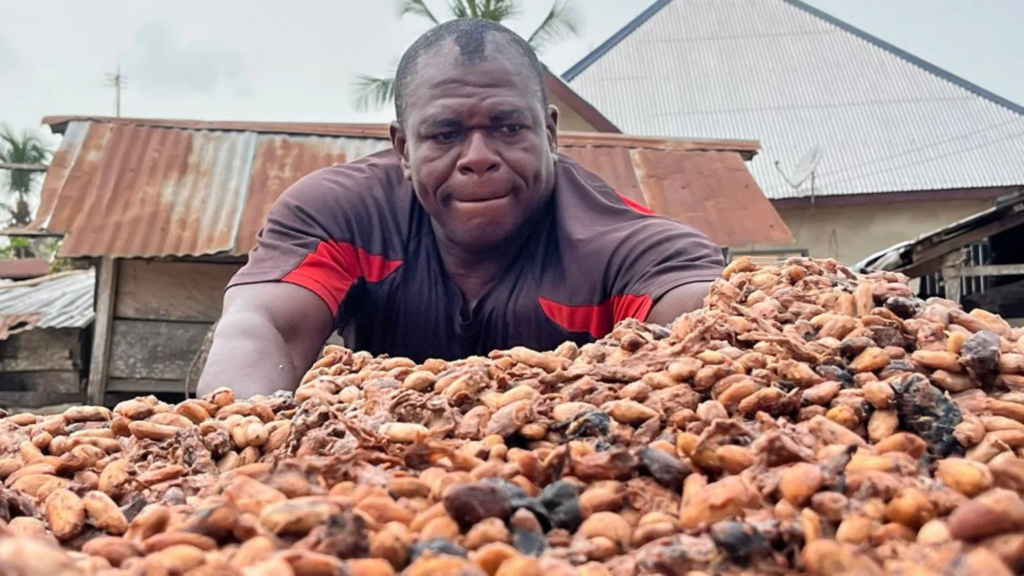
Cocoa farmers have called for a delay in approving the Ghana Cocoa Board Bill, 2026, before it receives presidential approval. The Ghana Cooperative Cocoa Farmers and Marketing Association expressed concerns that certain provisions of the legislation could impact farmers looking for alternative uses for their cocoa fields, which are deemed economically unproductive.
Mr. Moses Djan Asiedu, the Association's Administrator, mentioned that while they back measures to safeguard cocoa farms and bolster the cocoa industry, specific aspects of the Bill need further examination and public education. Asiedu highlighted that many farmers lack a full understanding of the law, which could lead to heightened uncertainty, especially in areas where cocoa production has become less profitable due to lower yields and other challenges.
The Association's worries center around parts of the legislation that grant protected status to cocoa farms and limit their conversion to other uses without permission from the Ghana Cocoa Board (COCOBOD). Asiedu noted that the fragmented information reaching farmers via social media and radio discussions has fueled worries about the legal repercussions of removing cocoa trees, including the perception that farmers could face arrest.
The Association has been meeting with farmers in the Western North Region, such as Enchi, Dadieso, Asawinso, and Sefwi, where they heard concerns about how the legislation might affect farmers' livelihoods and land-use choices. Asiedu questioned why cutting down a non-productive cocoa farm should be considered a crime when farmers have invested their lives in cocoa.
The Ghana Cocoa Board Bill, which Parliament passed on July 30, is awaiting the President's signature. The law grants protected status to all cocoa farms and bars their conversion to other uses without COCOBOD's approval. It also prohibits destroying cocoa trees unless part of an approved rehabilitation program. The legislation further bans mining, sand winning, and other extractive or environment-harming activities on protected cocoa farms or within 500 meters of them.
Violators could face up to 20 years in prison, fines per affected cocoa tree, or both, with the courts also having the power to order restoration of damaged farms or compensation to property owners. The proposed law aims to address the loss of cocoa-growing areas to illegal mining and other competing land uses, which could threaten the sustainability of Ghana's cocoa sector.
Written by urgent.news from MyJoyOnline Ghana's reporting — not their text. Machine-written — may contain errors; check the original before relying on it.