Challenging Supreme Court, Trump doubles down on efforts to limit birthright citizenship, influence the Fed and impose tariffs
The president lost three key cases, but by then the high court had expanded executive power in the US
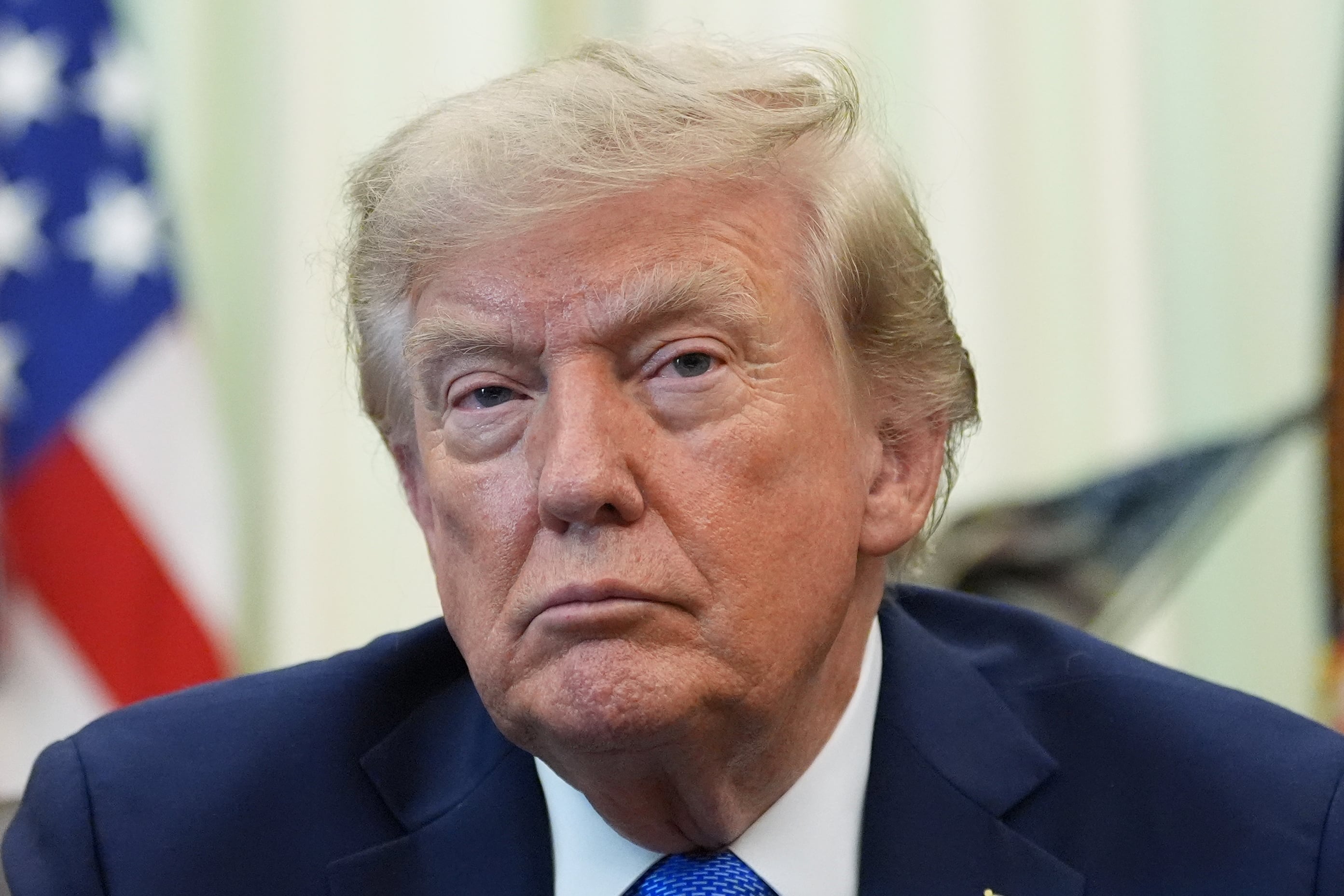
President Donald Trump continues to push for three major objectives during his time in office: enacting tariffs on numerous trading partners, attempting to remove a Federal Reserve governor, and limiting birthright citizenship. These goals were at the forefront of three Supreme Court cases that the administration lost, despite the court expanding executive power in other instances during the same period.
The first major setback came when Trump imposed tariffs on Mexico, Canada, and China, and another 10% tariff on virtually every country in the world, citing their failure to curb migration and drug trafficking. Six of the nine Supreme Court justices rejected the legality of these tariffs, arguing that the International Emergency Economic Powers Act of 1977 (IEEPA) does not grant the president authority to regulate imports through tariffs.
In response, the administration has resorted to other legal avenues, such as Section 122 of the Trade Act of 1974 and Section 301, which justifies tariffs based on noncompliance with labor rules.
Another key area of Trump's agenda is restricting who is considered a U.S. citizen. In June, the Supreme Court ruled that children born in the United States to undocumented or temporary residents are considered U.S. citizens under the 14th Amendment. However, the administration has attempted to undermine this ruling by signing two executive orders.
One order prohibits federal agencies from issuing or accepting documents that recognize certain children born in the U.S. to noncitizen parents as citizens. The other order requests the State and Homeland Security departments to deny visas to individuals the administration believes enter the country to give birth. Legal experts, like Steve Vladeck from Georgetown University, argue that these orders go beyond existing laws and create a broader category of "foreign government employees," potentially affecting embassy staff and international organization employees.
These executive orders have yet to face a court challenge, limiting any potential protections to the individual affected rather than applying broadly.
Written by urgent.news from El Pais English's reporting — not their text. Machine-written — may contain errors; check the original before relying on it.