Building up the US power grid won't be wasted, even if the AI bubble bursts
The bigger risk is underinvestment, claims consulting biz McKinsey
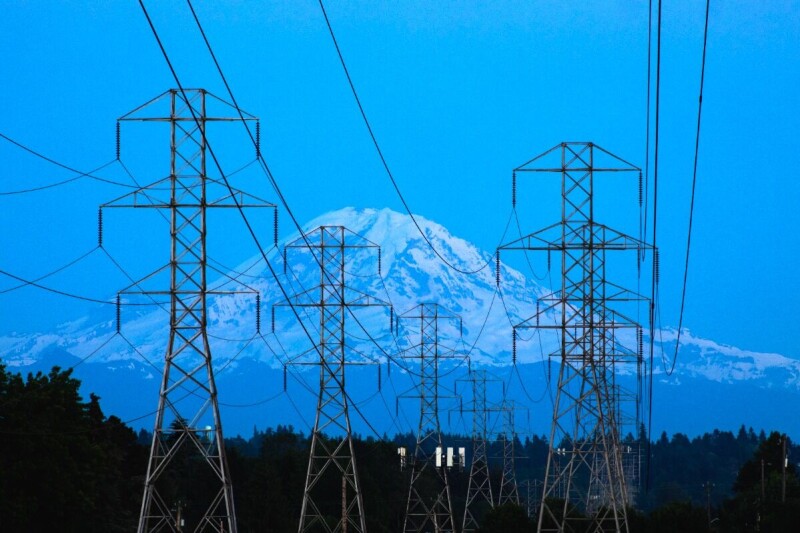
US power companies face a dilemma as they prepare for the surge in demand for datacenters fueled by the AI craze. McKinsey & Company warns that building too little capacity could prove disastrous, while the risk of overbuilding is also significant. The firm projects datacenters will consume 75 percent of U.S. power demand growth over the next decade, requiring an additional 30 GW of generation each year.
McKinsey notes that even if AI growth slows, the infrastructure built to support it is unlikely to become stranded, as it can still meet other demands and enhance grid reliability. However, the report warns that the US energy sector needs to increase spending on generation and grid infrastructure, or the demand could outstrip supply within a few years.
Utilities have been taking temporary measures to bridge the capacity gap, such as bringing retired plants back online and extending the lives of existing coal and gas facilities. However, McKinsey suggests these measures may be insufficient in the long run. Some developers and operators are turning to on-site power generation, with nearly 60 percent of power sector leaders expecting datacenters to retain permanent on-site generation by 2030, primarily relying on natural gas.
The report also expects solar paired with battery storage to play a growing role in the US power system beyond 2030, but its impact will depend on policy support and storage costs. McKinsey concludes that the near-term shortfall in power capacity makes underbuilding a greater risk than overbuilding for US power companies.
Written by urgent.news from The Register's reporting — not their text. Machine-written — may contain errors; check the original before relying on it.
This story
This is one outlet's version. Read the fullest account.