Building up the US power grid won't be wasted, even if the AI bubble bursts
The bigger risk is underinvestment, claims consulting biz McKinsey
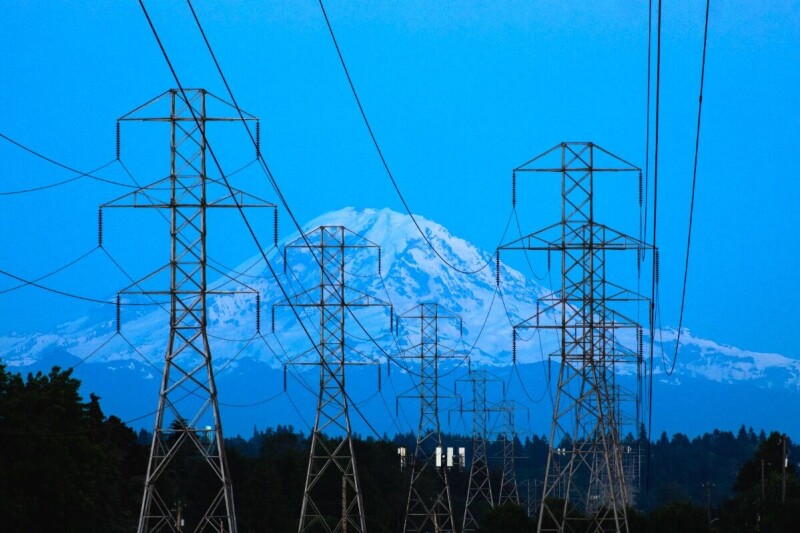
US power companies face a potential shortfall in meeting growing demand, creating a risk of underbuilding rather than overbuilding, according to a consulting firm's analysis. McKinsey & Company predicts that datacenter energy consumption will increase by 26% this year alone, driven by the AI craze, and datacenters could account for 75% of US power demand growth over the next decade.
McKinsey estimates that building the equivalent of almost 30 GW of additional power each year, including 20 GW for IT equipment and the rest for cooling, distribution, and resilience, would be necessary. Even if AI growth slows, the infrastructure built to support it is unlikely to become stranded, as it can serve other demand while enhancing grid reliability.
The US has approximately 40 GW of spare dispatchable capacity now, with about 100 GW of new capacity committed. However, a gap of 30 to 55 GW is expected by 2030 due to the retirement of some coal and gas-fired plants. Utilities are extending the lives of existing plants and bringing retired ones back online to address the gap, but this may prove insufficient.
Some developers and operators are now opting for on-site power generation using gas turbines, fuel cells, and battery storage due to delays in connecting to the grid. McKinsey's survey suggests that about 60% of those planning datacenters expect to retain permanent on-site generation by 2030, with natural gas being the primary fuel choice.
Beyond 2030, solar paired with battery storage is expected to play an increasingly significant role, although policy support and continued cost reductions are crucial factors. Nuclear power is not anticipated to experience significant growth in the next decade, with any expansion likely to come from extending and upgrading existing plants rather than constructing new ones.
While emerging technologies like small modular nuclear reactors and next-generation geothermal energy attract interest, they are unlikely to make a substantial impact on system capacity before the middle of the 2030s. In summary, the US power sector is likely to face a near-term shortfall, making underbuilding a greater risk than overbuilding.
Written by urgent.news from The Register Science's reporting — not their text. Machine-written — may contain errors; check the original before relying on it.