Laser wireless charging could keep drones airborne indefinitely — improved receiver converts at 38.49% efficiency and uses nanocrystalline material for thermals
Researchers use a ground-based laser to wirelessly deliver power to drones, potentially allowing them to stay airborne without landing to recharge.
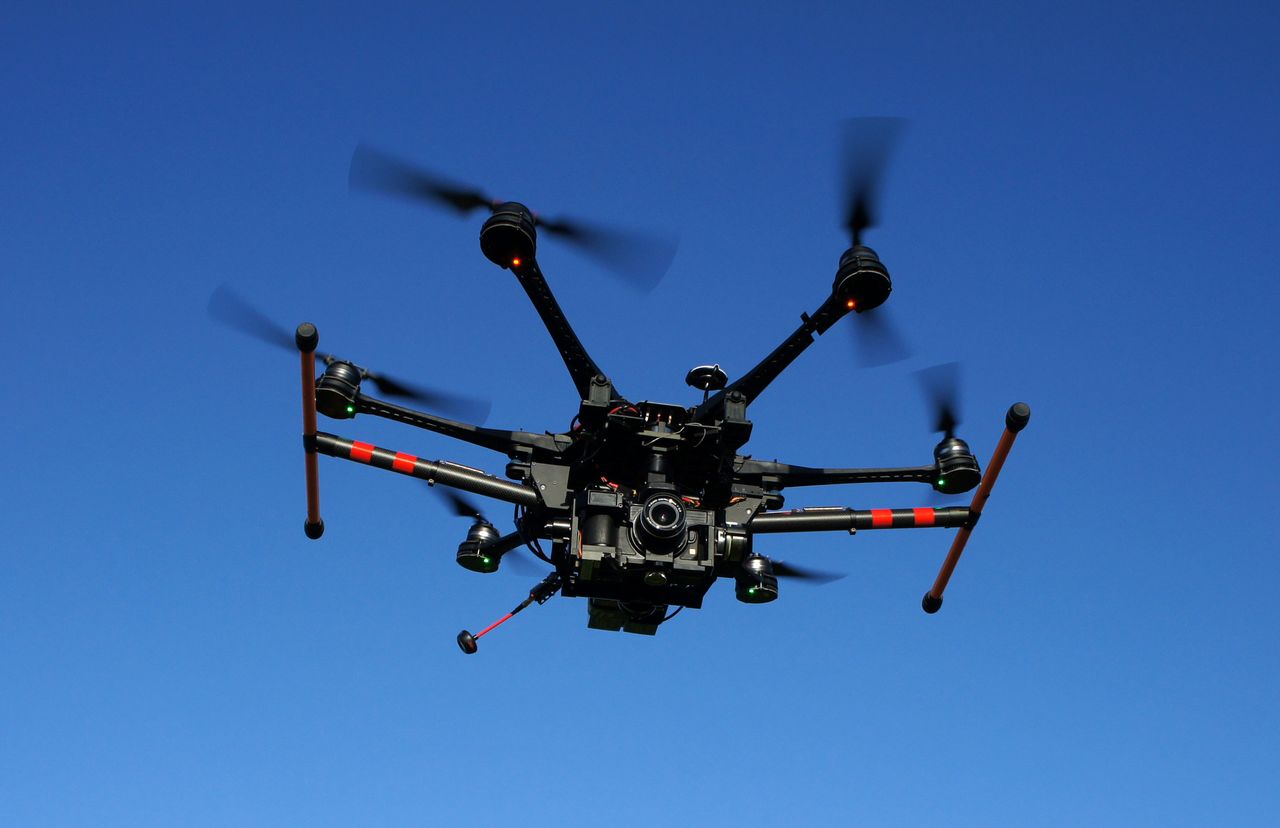
Researchers at the Civil Aviation University of China have achieved a significant breakthrough in laser-based OTA charging for drones, converting energy at an impressive 38.94% efficiency. The study, published in Matter & Light, details a lightweight receiver that can harvest energy from a laser beam sent from the ground. The key to the system's efficiency lies in a perovskite laser cell-thermoelectric (PLC-TE) tandem device, which converts laser energy into electricity and recovers heat to generate additional power.
However, intense laser beams cause the receivers to heat up to 80 to 90 degrees Celsius, leading to efficiency degradation and potential damage to the aircraft. To address this issue, the team incorporated nanocrystals as a thermal barrier and added air channels to the drone's wings for aerodynamic cooling. These innovations resulted in a respectable 38.49% energy conversion efficiency during testing, making it one of the highest reported for this technology.
While outdoor flight tests are yet to be conducted, this achievement marks a significant step towards enabling drones to fly continuously without the need for frequent charging. Overcoming complex tracking and safety challenges will be necessary to advance the technology further, but this research lays a crucial foundation for the future of drones and UAVs.
Written by urgent.news from Tom's Hardware's reporting — not their text. Machine-written — may contain errors; check the original before relying on it.