AI’s biggest buildout is here. These stocks offer a way to invest in the data center boom
For those seeking a pick-and-shovel approach to the AI wave, here's a guide to utilities, grid hardware, cooling firms, and refinery stocks.
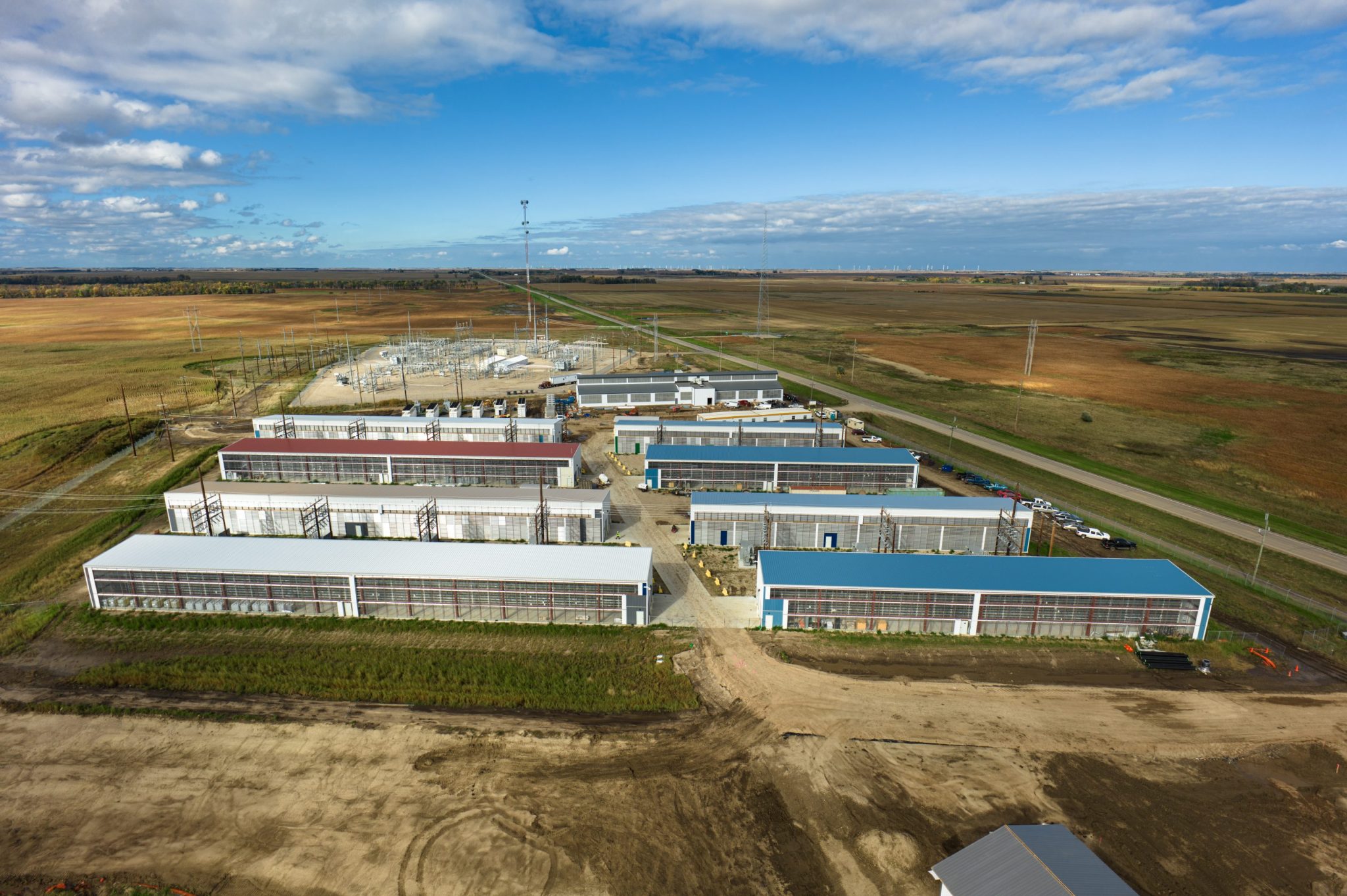
The AI revolution is driving a massive expansion in the data center industry. Major players such as Google, Meta, Microsoft, and Amazon are investing billions to meet the surging demand for AI services, despite market volatility and concerns about the bubble.
"Hyperscalers are expected to spend between $750 and $800 billion per year," says John Mowrey, chief investment officer at NFJ Investment Group. This investment could account for 2.5 to 3% of the U.S. GDP, a significant proportion for a capital market.
Much of this spending will go toward data centers, presenting investors with opportunities in semiconductor chips, real estate, energy, and cooling. Craig Ellis, research director at B. Riley Securities, highlights semiconductors as a critical bottleneck in this buildout.
Semiconductor manufacturers like Applied Materials (AMAT), Lam Research (LRCX), and Marvell Technology (MRVL) are key to the AI data center boom. Applied Materials, the largest semiconductor equipment company, supplies tools for chip manufacturing, benefiting from nearly every advanced chip passing through its systems. Lam Research, with a narrower product range, is expected to gain from increased capacity investment over the next two years.
Meanwhile, Marvell Technology, known for networking equipment, captures significant market value and enjoys a partnership with Nvidia on next-generation networking technology.
However, chip stocks are prone to price swings and geopolitical risks. Despite a recent 26% drop in the index tracking AI-linked chip stocks, analysts expect long-term growth. Applied Materials, Lam Research, and Marvell have rebounded significantly since the market dip.
Real estate investment trusts (REITs) also play a crucial role in the data center boom. These trusts provide climate-controlled spaces with generators and high-speed connectivity necessary for 24/7 operations. As AI models shift from training to inference, REITs, which control urban "carrier-dense" real estate, are well-positioned to capture the growing demand.
Written by urgent.news from Fortune's reporting — not their text. Machine-written — may contain errors; check the original before relying on it.