Western Europe endures hottest summer on record – could South Africa be next?
Western Europe is experiencing its hottest summer on record, raising questions about whether South Africa could also face extreme heat as El Niño strengthens.

Western Europe endured its hottest June-July on record this summer, as climate change fuels an historic heatwave, drought and wildfire season, according to the EU's global warming monitor, the Copernicus Climate Change Service. The combined average temperature for the period was 21.62C, surpassing the previous record set in 2022.
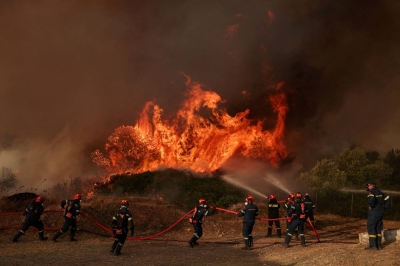
This extreme heat, coupled with record-low soil moisture levels, indicates that climate change is intensifying heat and drought extremes. River flows were unusually low, particularly in France, Spain, Austria, Hungary, the UK, Ireland, and parts of Iceland, impacting transportation, irrigation, and energy production. The fires were devastating, with France and Spain experiencing their worst infernos in recent memory, while other European nations and regions like the US northwest and Canada also faced severe blazes.
Meanwhile, ocean temperatures hit record highs for a second consecutive month, driven by marine heatwaves around Europe and a developing El Niño event in the Pacific. Scientists predict that a new global temperature record could be set this year or early in 2027. In South Africa, a strengthening El Niño may bring hotter and drier conditions during the upcoming spring and summer, potentially leading to more frequent heatwaves and increased pressure on water resources and agriculture.
Written by urgent.news from IOL's reporting — not their text. Machine-written — may contain errors; check the original before relying on it.