The Vibration Test Laboratory (VTL) Overview
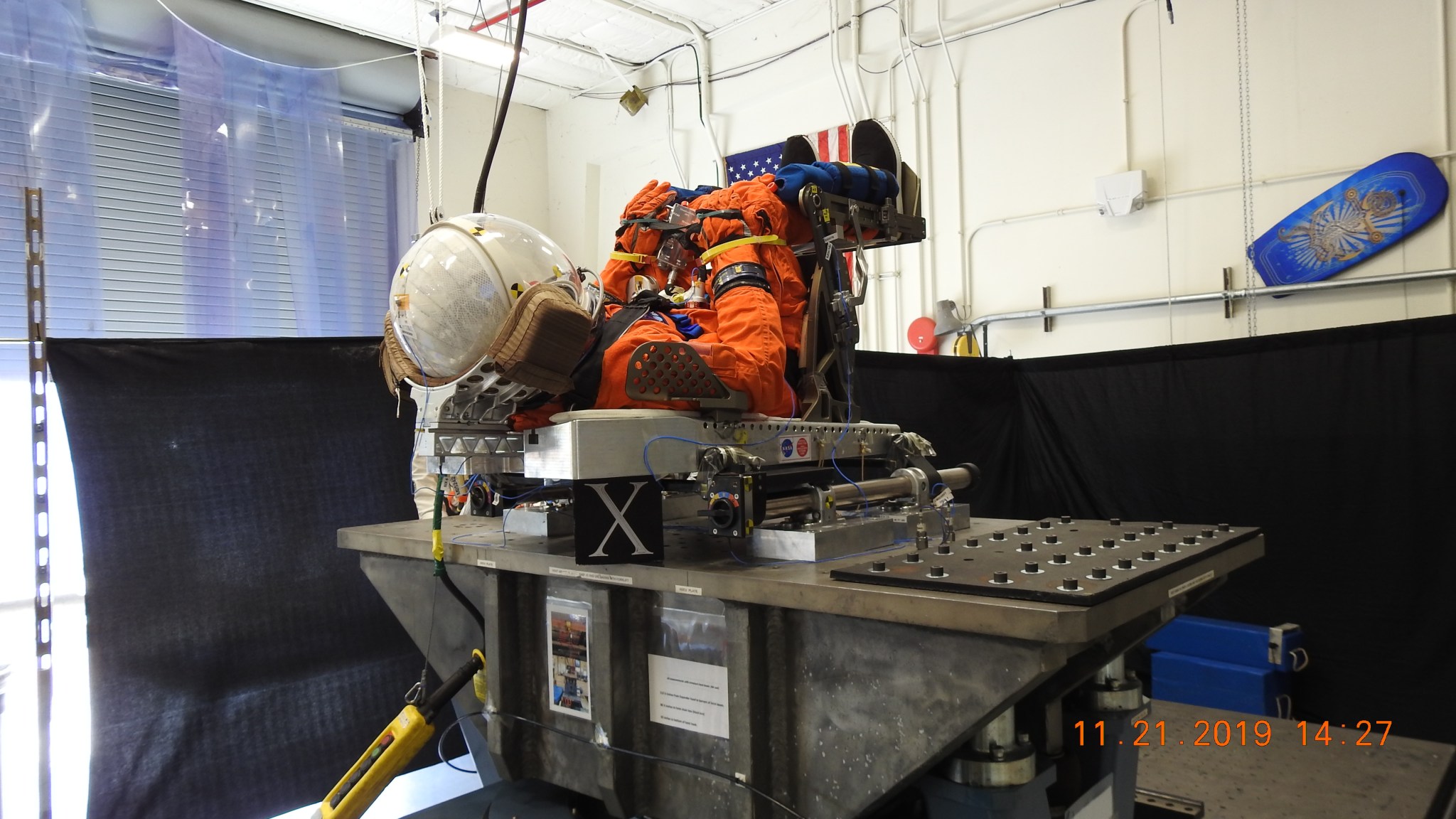
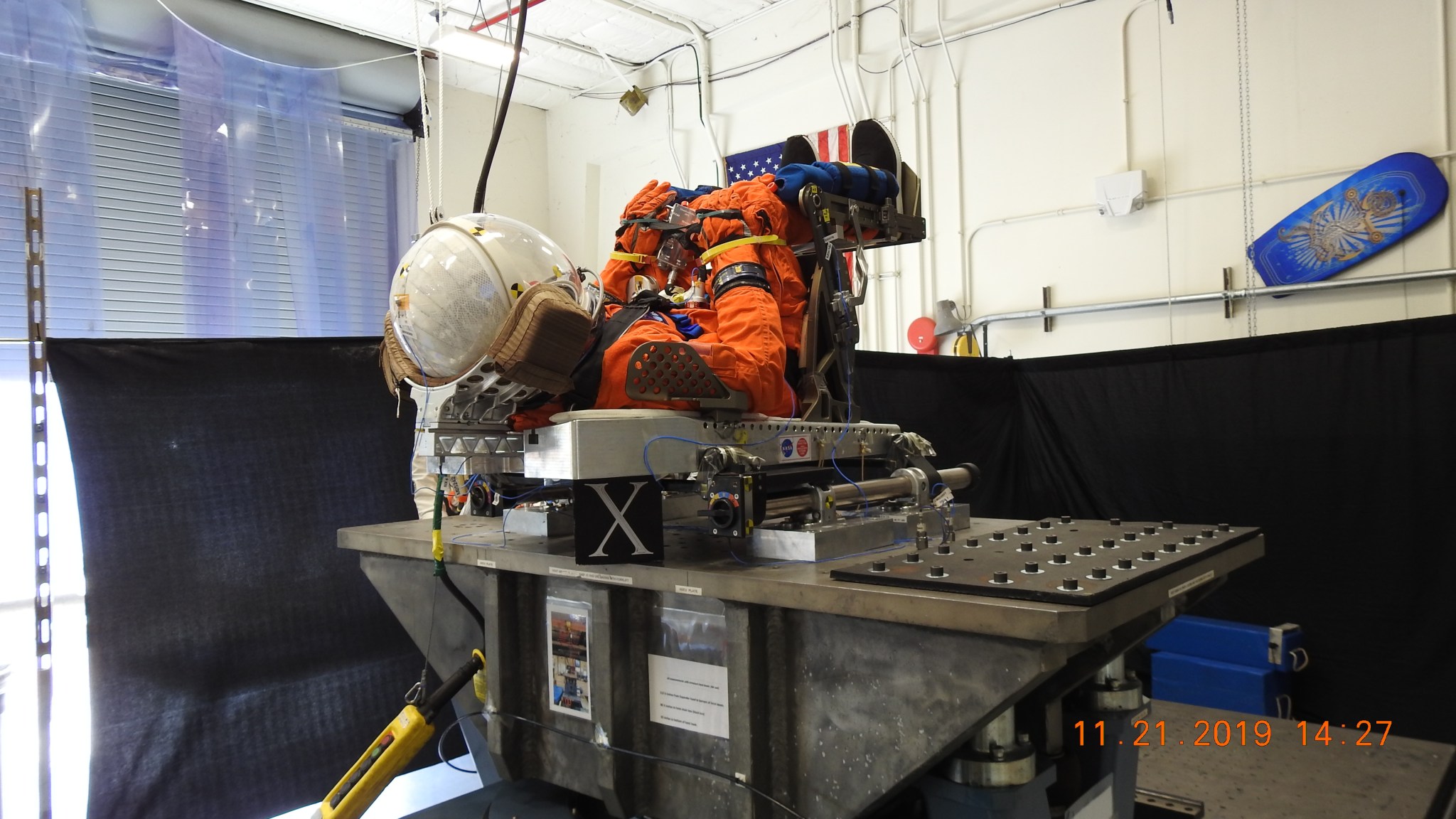
Overview The Vibration Test Laboratory (VTL) provides testing of articles that includes sinusoidal, random, shock, classic (half sine, saw tooth, etc.) shock response spectrum (SRS), imported pulse, superimposed – random on random and sine on random, gunfire and sine burst. The lab provides closed loop vibration test systems typically consisting of electrodynamic shakers, instrumentation, signal…
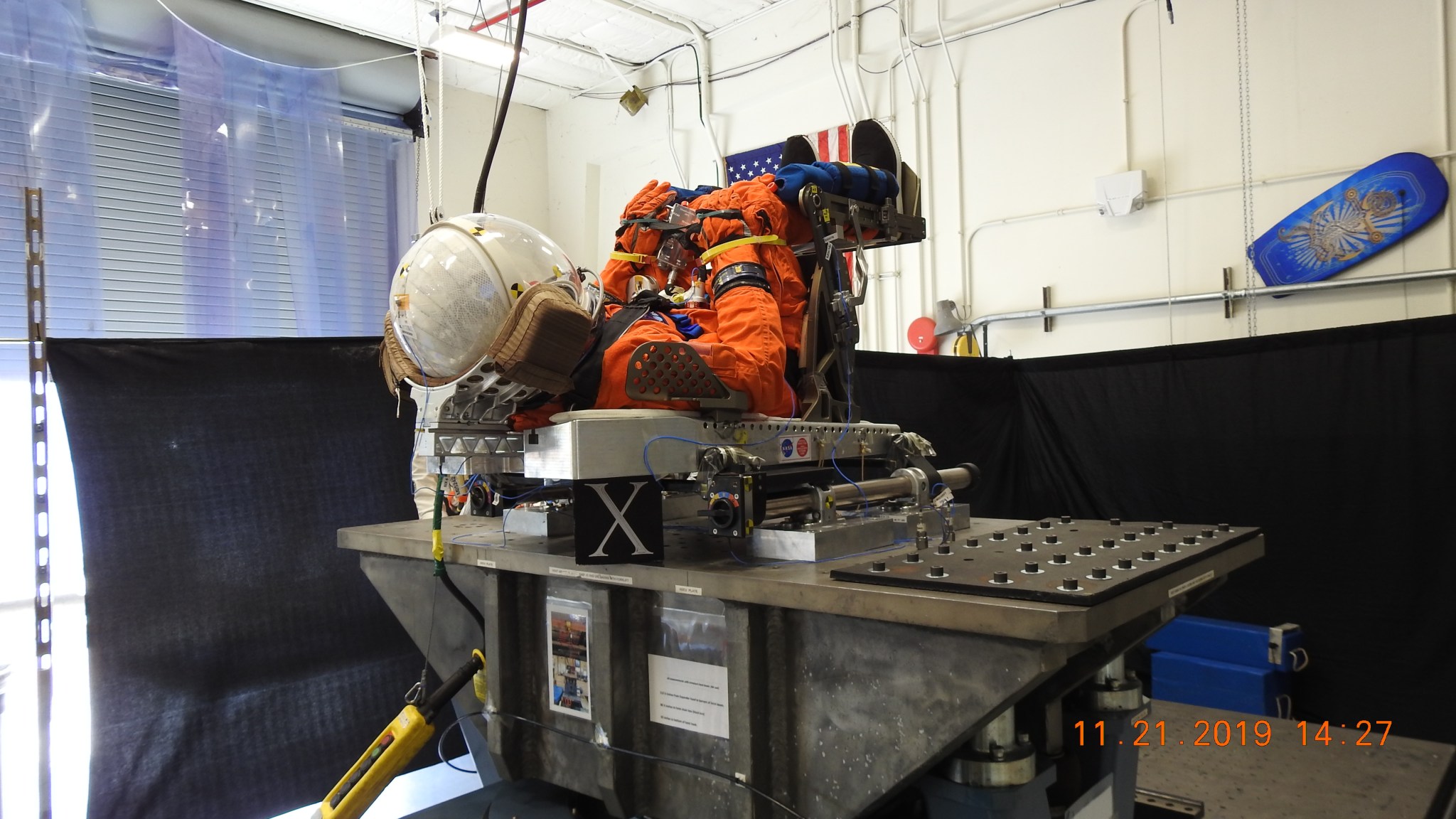
The Vibration Test Laboratory, or VTL, is a key facility operated by NASA's Kennedy Space Center in Florida. As part of the National Aeronautics and Space Administration, the laboratory supports America's civil space program and its role as a global leader in space exploration. The VTL employs around 18,000 civil servants who collaborate with numerous U.S. contractors, academic institutions, and international and commercial partners to advance scientific knowledge for the benefit of humanity.
One of the VTL's primary functions is to test various articles under a range of vibration conditions. These include sinusoidal, random, shock, classic half sine and saw tooth shock response spectrum, imported pulse, superimposed random on random and sine on random, gunfire, and sine burst. The lab is equipped with closed-loop vibration test systems that typically comprise electrodynamic shakers, instrumentation, signal conditioning, a controller, and amplifier.
In addition to providing documentation, high-speed data, and synchronized multiplexed test records, the VTL offers acceptance and qualification testing for General Support Equipment (GSE), flight hardware, small satellites, experiments, cargo, and International Space Station (ISS) spares and upgrades. The laboratory's work is carried out in support of various multi-program launch vehicle and payload processing operations, as well as Critical Design Review (CxP) design/fabrication activities and external customer support.
NASA's VTL also conducts research and development experiments, leveraging tools such as the Correlated Solutions VIC-3D Digital Image Correlation Measurement System and High-Speed Data Acquisition Systems. These efforts are aimed at correlating analytical models and conducting engineering evaluations. Recent laboratory upgrades have further enhanced its capabilities, enabling testing under extreme launch environments, including forces of 55,000 lbf with a peak-to-peak value of 3 inches, as well as simulated pyro shock ranging from 3750g SRS to 10kHz.
Written by urgent.news from NASA Science's reporting — not their text. Machine-written — may contain errors; check the original before relying on it.