Solar Eclipse, Six-Planet Parade & Meteor Shower: Rare Celestial Events Are Set To Light Up The Sky On August 12
If you thought the night sky couldn't get any busier, August 12 is here to prove otherwise. The date is shaping up to be one of the most interesting days of the 2026 astronomy calendar, with a total solar eclipse, a six-planet morning parade, a New Moon and the peak of the Perseid meteor shower all falling within roughly the same 24-hour window. NASA has highlighted August 12 as a major…
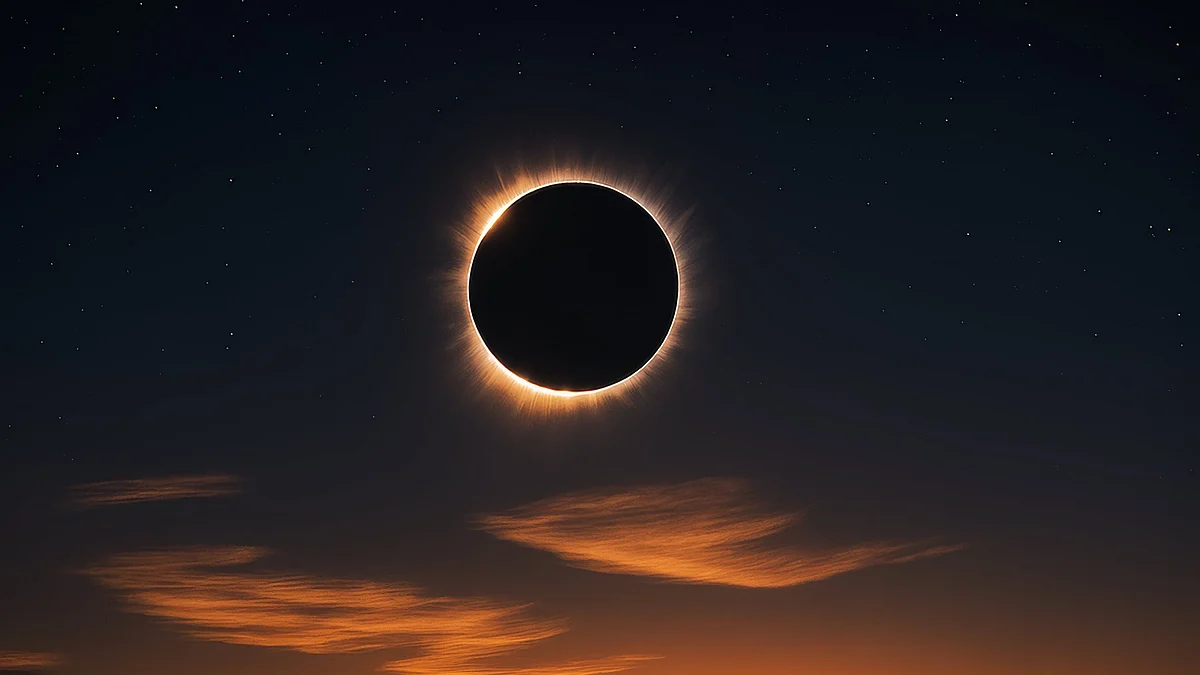
In the skies over August 12, 2026, a celestial trifecta awaits keen observers. A total solar eclipse, a spectacular six-planet alignment, and the peak of the Perseid meteor shower converge in a single 24-hour period. NASA has deemed this date a significant opportunity for skywatchers.
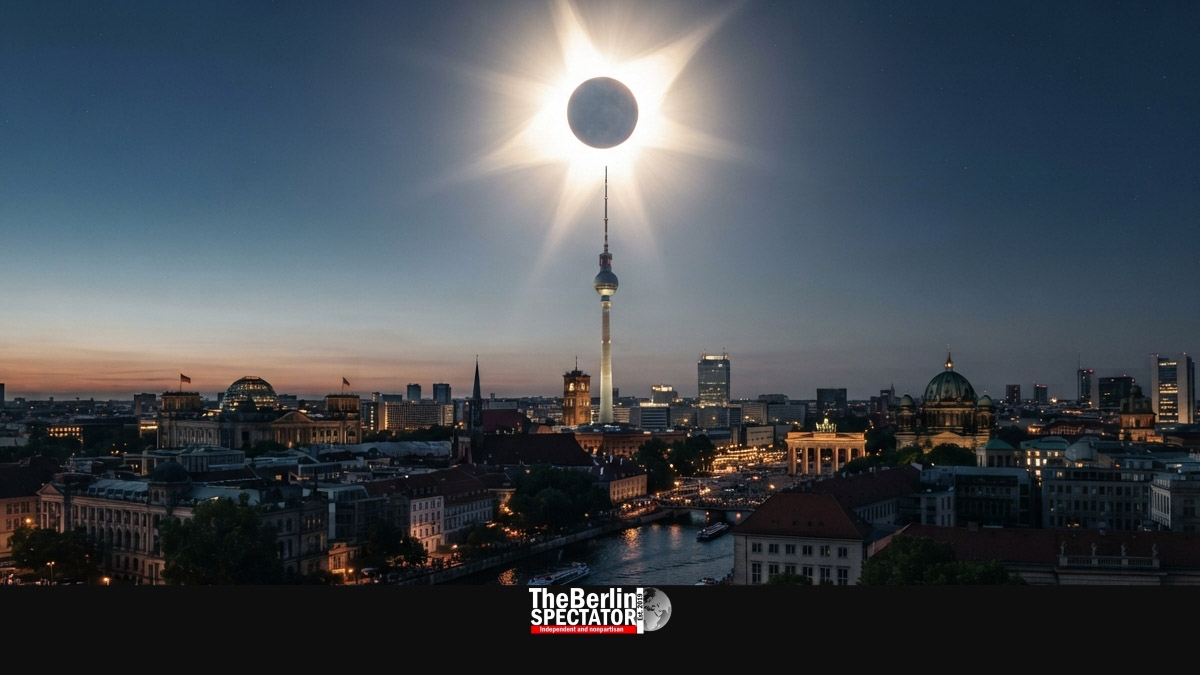
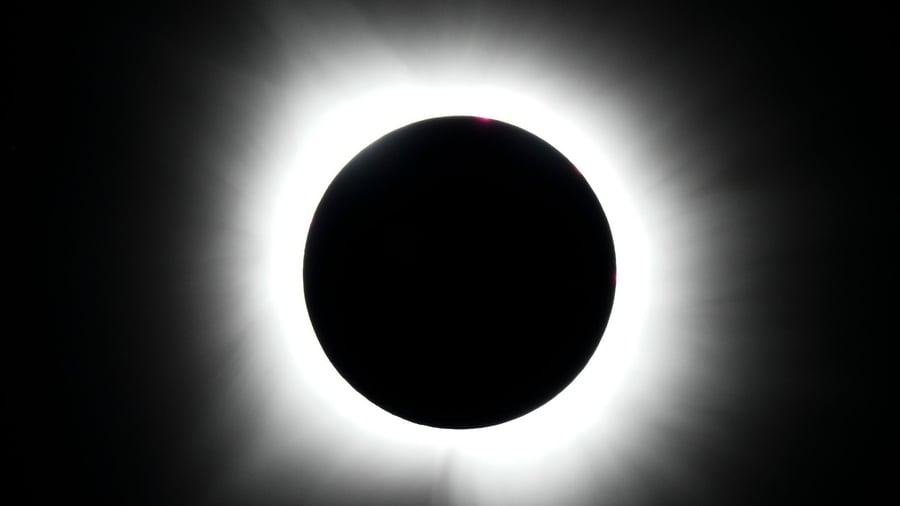
The lunar alignment behind the total solar eclipse brings darkness to a narrow path stretching across northern Russia, Greenland, Iceland, northern Spain, and a portion of Portugal. Although India will not witness the eclipse, those in the path should use certified eclipse glasses during the event to safely view the Sun's corona.
Before sunrise, a planetary parade unfolds, with Mercury, Jupiter, Mars, Saturn, Uranus, and Neptune visible in the eastern sky. The alignment is a result of perspective from Earth rather than a true cosmic gathering, though Uranus and Neptune will require binoculars or telescopes for a clear view.
A New Moon graces the sky on the same day, providing a dark canvas for the Perseid meteor shower. As Earth traverses debris left by Comet Swift-Tuttle, meteors streak across the atmosphere, creating a celestial fireworks display. The New Moon ensures minimal moonlight interference, allowing for potentially up to 100 meteors per hour under optimal conditions.
For Indian observers, the Perseid meteor shower is visible after midnight, away from light pollution. However, heavy monsoon rains in August could hamper clear skies in some regions. Despite challenges, this celestial convergence promises an unforgettable night for anyone with clear skies.
Written by urgent.news from Free Press Journal's reporting — not their text. Machine-written — may contain errors; check the original before relying on it.