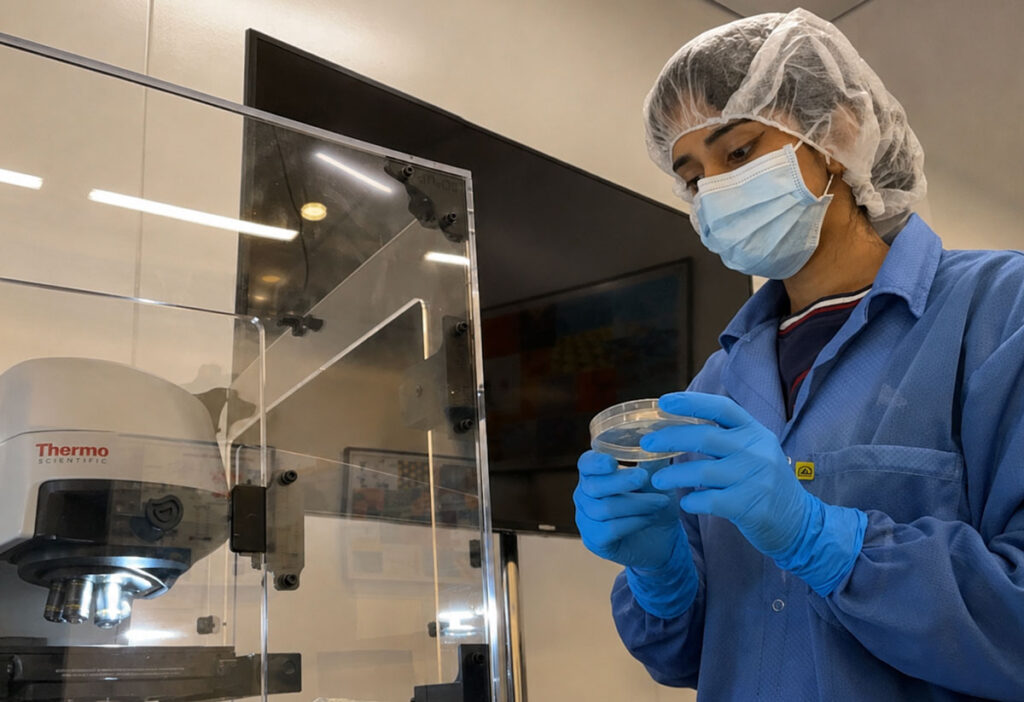
Researchers recycle rice husks into a wonder material that removes toxic dyes from water
A biochar filter made from discarded husks hints at a broader shift: treating agricultural byproducts not as garbage, but as raw material for environmental repair.
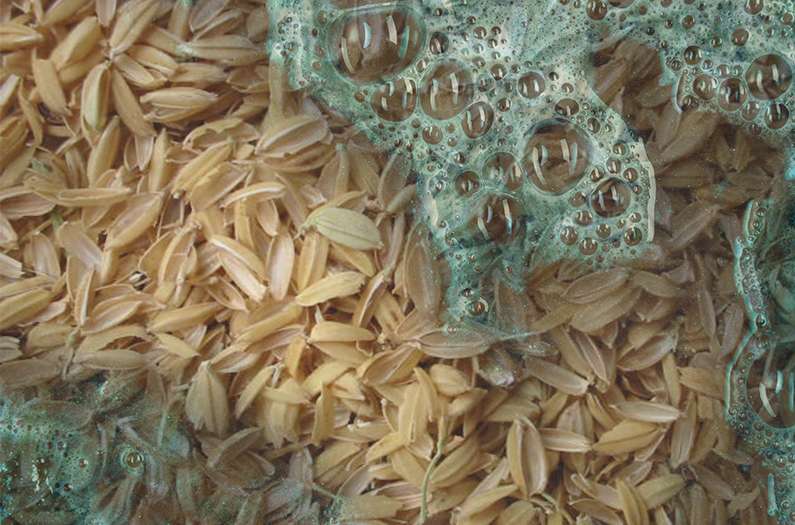
Researchers have transformed rice husks, a common agricultural byproduct, into a highly effective filter capable of removing harmful industrial dyes from water. The filter, created by converting rice husks into a sponge-like material, could help mitigate water pollution while simultaneously reducing the volume of agricultural waste. The research team's findings were published in the journal Sustainable Chemistry and Pharmacy.
Many industries, including textile manufacturing, leather processing, paper production, and aquaculture, rely on synthetic dyes, which often persist in aquatic environments for extended periods. These dyes can tarnish light penetration, disrupt aquatic ecosystems, and contaminate drinking water sources. Furthermore, several of these dyes are toxic and may even be carcinogenic.
Material capable of adsorbing dyes, that is, absorbing them on their surface through either physical or chemical processes, is a promising and sustainable solution for dye removal. The team at Florida International University sought to create such an adsorbent using waste rice husks, which are abundant worldwide. Globally, over 540 million tonnes of rice is produced annually, with an additional 136 million tonnes of rice husks discarded as waste.
To develop the filter, the researchers first subjected the husks to a low-oxygen environment, transforming the organic material into biochar—a highly porous, sponge-like material with a large surface area that is able to trap contaminants. To enhance the biochar's performance, the researchers combined it with specialized materials called layered double hydroxides. These clay-like minerals are composed of magnesium and aluminum hydroxide layers, with charged ions and water molecules trapped in the spaces between.
The researchers tested the combined material in laboratory conditions and found it effectively captured brilliant green and malachite green dyes, which are commonly used in the textile industry. Moreover, the filter proved to be reusable, maintaining its effectiveness for at least five cycles of dye removal. The researchers now plan to test the material's efficiency on other dyes, heavy metals, and various contaminants commonly found in real-world water samples.
Written by urgent.news from Anthropocene Magazine's reporting — not their text. Machine-written — may contain errors; check the original before relying on it.