Myth of resilience: Gaza's unbearable reality
EVERY morning in Gaza, our medical team moved bed to bed on ward rounds. A surgeon, an emergency doctor, a physiotherapist and a mental health colleague worked side by side.
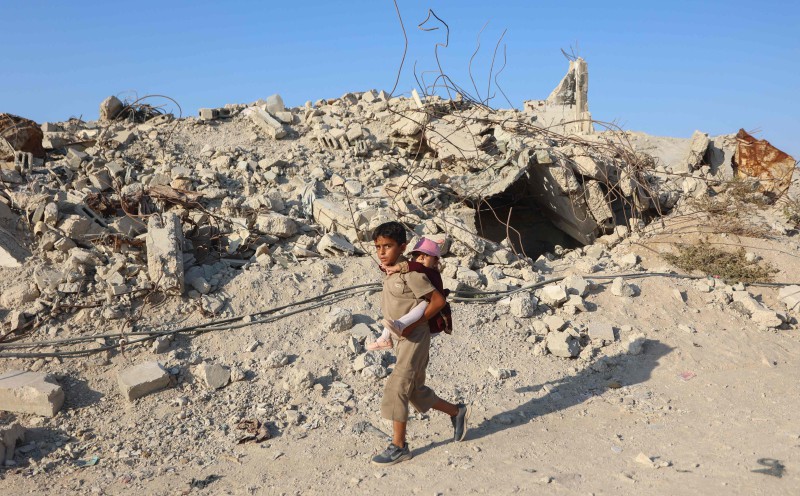
Every day in Gaza, the medical team would conduct rounds, checking on patients, managing their care and discussing treatment plans. Amidst the grim reality, patients would often share small acts of kindness, offering sustenance like food or coffee, a stark testament to their resilience. The grimness of life in Gaza is highlighted by the scarcity of resources: clean water, medical supplies, and the absence of basic everyday items like eggs.
Despite these hardships, the patients and their families remain remarkably resilient, offering support even when it means sacrificing their own necessities. This spirit of resilience, while admirable, should not mask the underlying issues - inadequate access to healthcare, humanitarian aid and basic necessities. The writer, a Malaysian Emergency Medicine specialist, highlights the need for humanitarian access, stressing that restrictions on medical supplies, delays and obstruction have real-life consequences - from the inability to treat infections to uncertainty about long-term recovery.
The narrative underscores the importance of protecting healthcare workers, patients and civilians in Gaza, emphasizing that their continued survival and dignity are at stake.
Written by urgent.news from New Straits Times's reporting — not their text. Machine-written — may contain errors; check the original before relying on it.