Leihmutterschaft: Das Millionengeschäft mit ukrainischen Leihmüttern
Trotz des russischen Angriffskriegs zählen deutsche Paare weiter zu den wichtigsten Kunden. Einblicke in ein komplexes System und einen umstrittenen Markt.
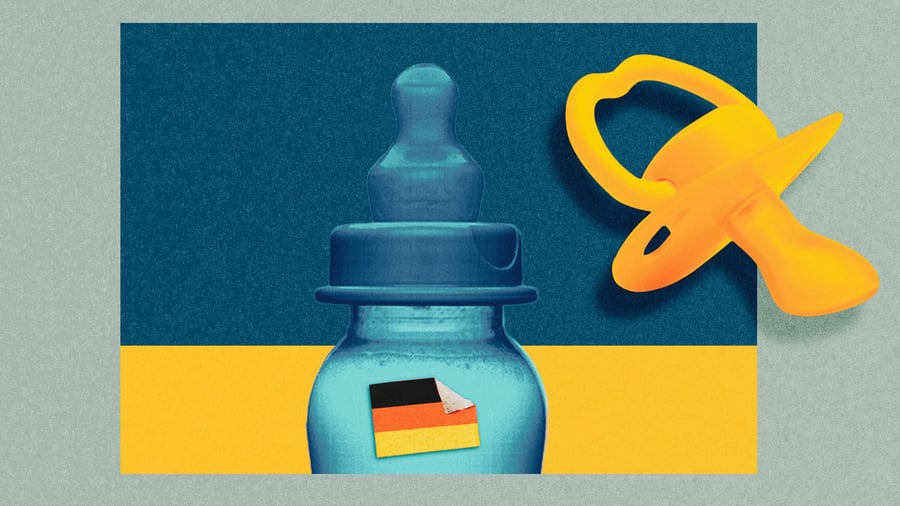
Munich - Anna vividly recalls the moment when she sat in a sterile Ukrainian hospital room, gazing at the screen displaying the words: "I know it's not my child," she said, her eyes fixed on the embryo being implanted into her womb. Anna has already been a surrogate mother twice and perceives the experience as a "temporary job."
The child from her second pregnancy was carried for a German couple. She admits that while in the throes of pregnancy, she was insured and received approximately 25,000 euros, roughly four times the average annual salary in Ukraine. Ann's first surrogate experience was driven by financial necessity, as she needed the funds to cover a surgery for her mother.
For her second, she aimed to purchase a home. Surrogacy services for clinics and specialized agencies have turned Anna's pregnancy into a lucrative business. Surprisingly, the Ukraine, amidst the ongoing war, remains a central hub for matching German couples seeking to fulfill their desire for children. The Handelsblatt has delved into the intricacies of this market, revealing the staggering amounts of money involved and how this profitable business continues to thrive under these extraordinary circumstances.
Written by urgent.news from Handelsblatt's reporting — not their text. Machine-written — may contain errors; check the original before relying on it.