Lebanon cautious on new Israel talks as southern tensions rise
Lebanon is weighing participation in a new round of negotiations with Israel amid ongoing Israeli military operations in the south and key Lebanese demands.
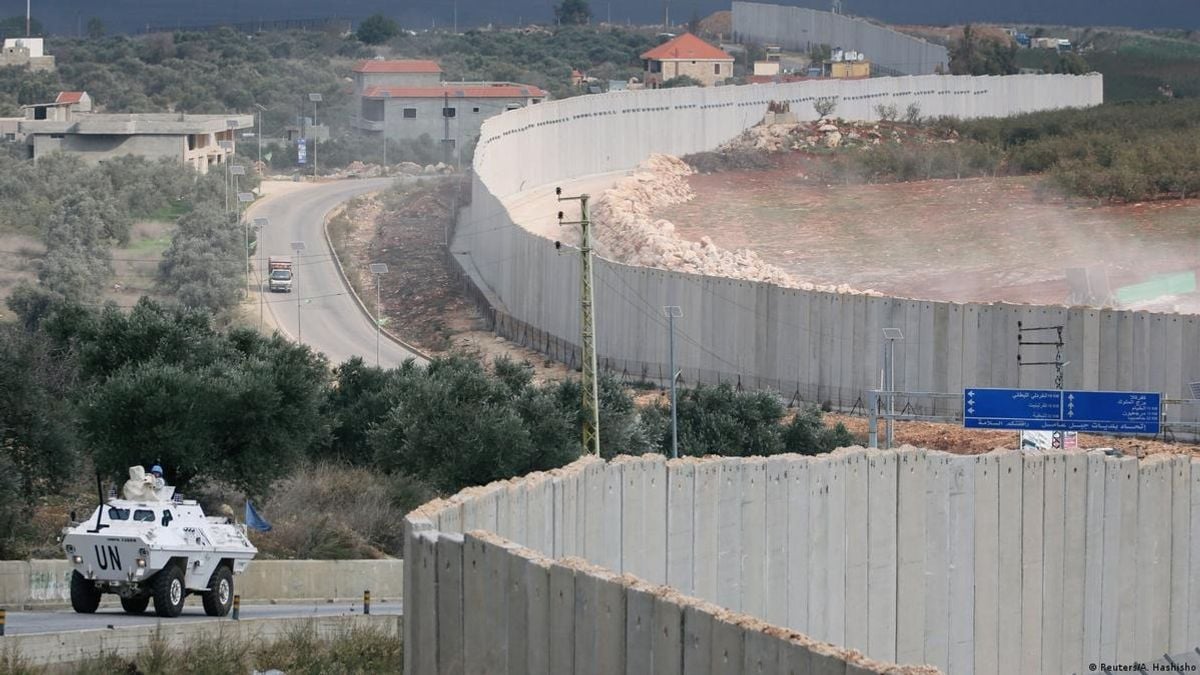
Lebanon is showing restraint prior to engaging in a fresh series of talks with Israel, as Israeli forces persist in demolishing homes and clearing properties in multiple southern Lebanese towns, following seven prior rounds of direct negotiations between the two nations. An anonymous Lebanese official, speaking to Al Arabiya/Al Hadath, stated that authorities are awaiting updates on ongoing conversations before reaching a final verdict on their involvement in the Rome discussions, emphasizing that Lebanon is steadfastly pushing for three primary demands: a ceasefire, the expansion of experimental zones, and an end to demolition activities.
The official condemned Israel's release of a map illustrating the appropriation of southern Lebanese territory as an "unacceptable infringement," adding that the issue of land appropriation has been inserted into the agenda for the approaching Rome talks. The official also disclosed that Lebanese Army Commander Joseph Aoun has ordered officials to act on behalf of both the United States and the United Nations to tackle the situation.
Lebanon and Israel finalized their seventh round of direct discussions in Rome on August 6. A source within the Lebanese presidency revealed that Israel declined Lebanon's request to designate a new area for the withdrawal of its forces from the south, instead insisting on verifying Lebanese army authority over two previously vacated regions.
Tensions intensified on March 2 when Hezbollah launched rockets at Israel in response to the assassination of Iranian Supreme Leader Ali Khamenei at the start of the US-Israeli campaign against Iran. Israel responded with airstrikes and a ground offensive into southern Lebanon, resulting in over 4,300 fatalities, according to Lebanese officials.
Written by urgent.news from Ajel English's reporting — not their text. Machine-written — may contain errors; check the original before relying on it.