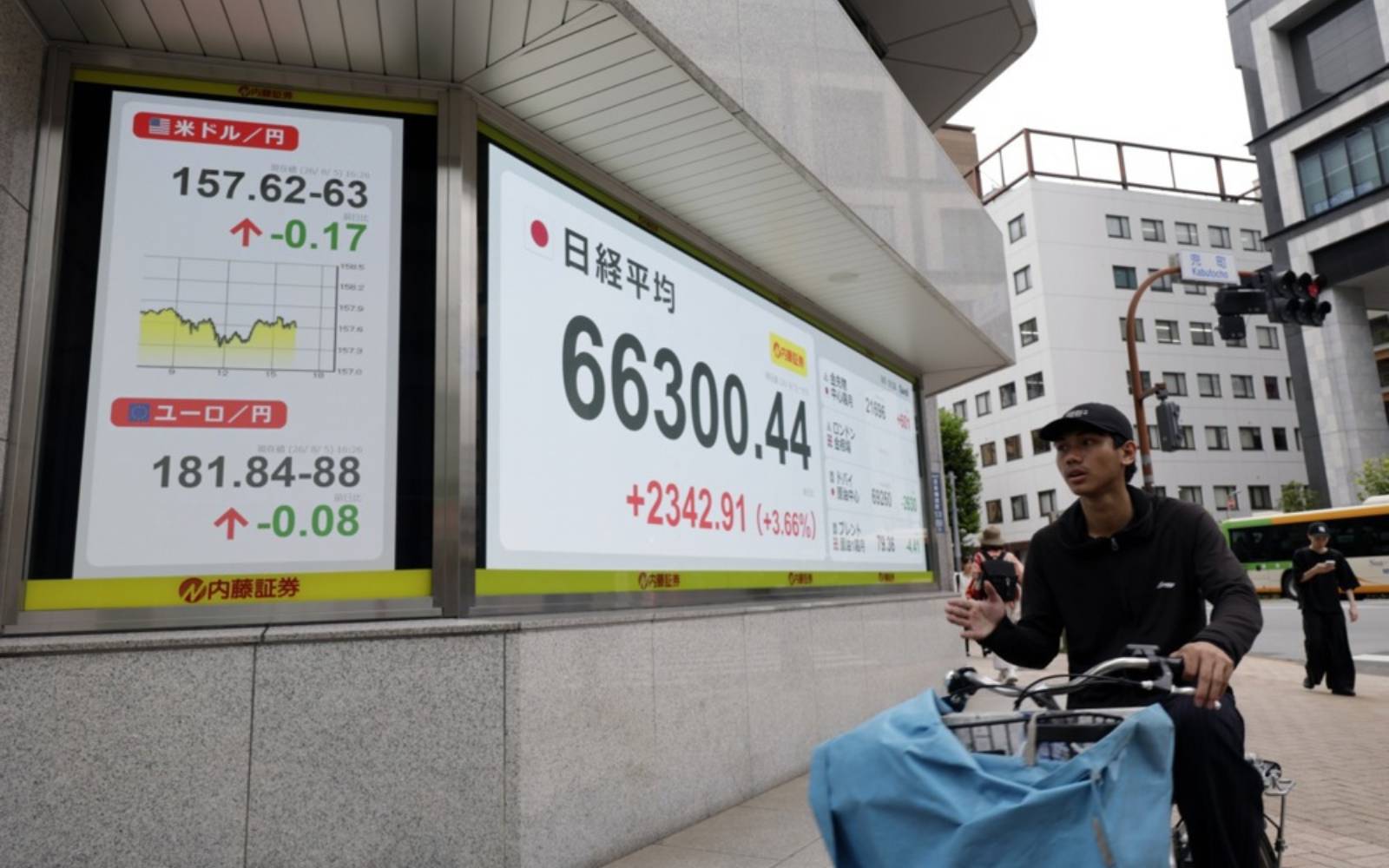
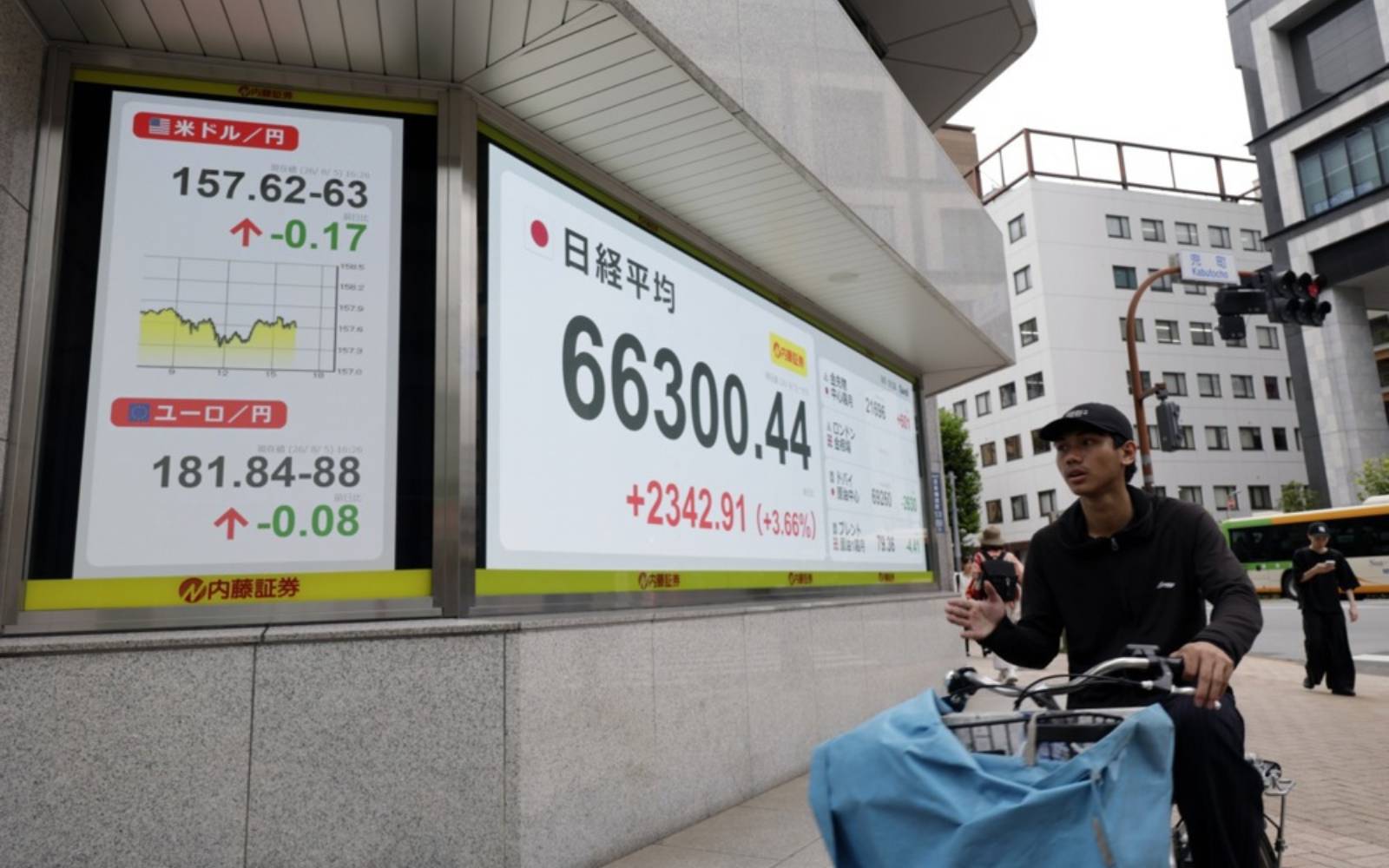
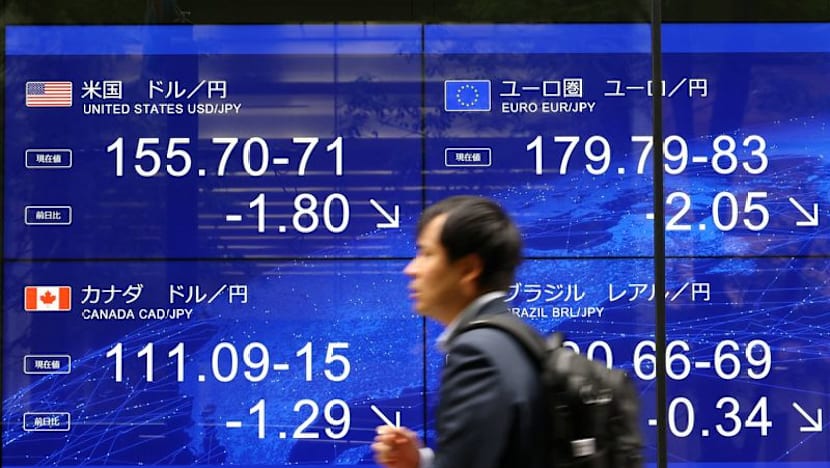
Japan’s executives call for FX stability as weak yen intensify import-cost pressure
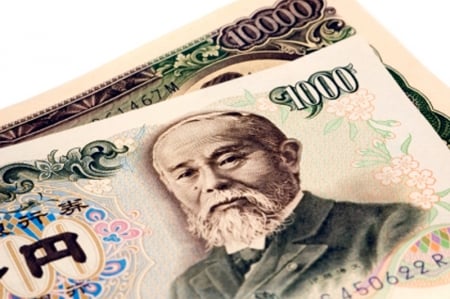
Japanese business leaders are urging for currency stability amid the persistent weakness of the yen, which is causing a strain on the import-dependent economy. Last week, a joint intervention by Japan and the United States aimed to support the currency, pushing it up by roughly 5% to a 40-year low of nearly 164 to the dollar. Mitsubishi Electric's CFO, Kenichiro Fujimoto, emphasized that a weak yen does not necessarily bring positive outcomes, as higher costs for energy, materials, and food could adversely affect domestic demand and thwart Japan's gradual exit from deflation.
Norihiko Ishiguro, chairman of JETRO, pointed out that while a weaker yen benefits exports, companies predominantly import their raw materials, and there's a point when costs escalate due to the exchange rate. Sharp currency fluctuations also complicate earnings projections and investment decisions for companies operating globally.
Mitsui & Co.'s CFO, Makoto Tanaka, expressed a desire for market stability and reduced volatility. Mitsubishi Corp.'s CFO, Yoshihiro Shimazu, mentioned that the company is adjusting its assumed exchange rate from 150 yen to the dollar to accommodate the high volatility. A JETRO survey from March indicated that companies prefer an exchange rate range between 120 and 124 yen to the dollar, with only 11% favoring a rate above 150 yen.
However, the likelihood of the yen strengthening to these levels appears to be diminishing, given Japan's economic fundamentals and the lack of recovery in the trade balance.
Written by urgent.news from Investing.com's reporting — not their text. Machine-written — may contain errors; check the original before relying on it.
This story
This is one outlet's version. Read the fullest account.