Japan's executives call for FX stability as weak yen intensify import-cost pressure
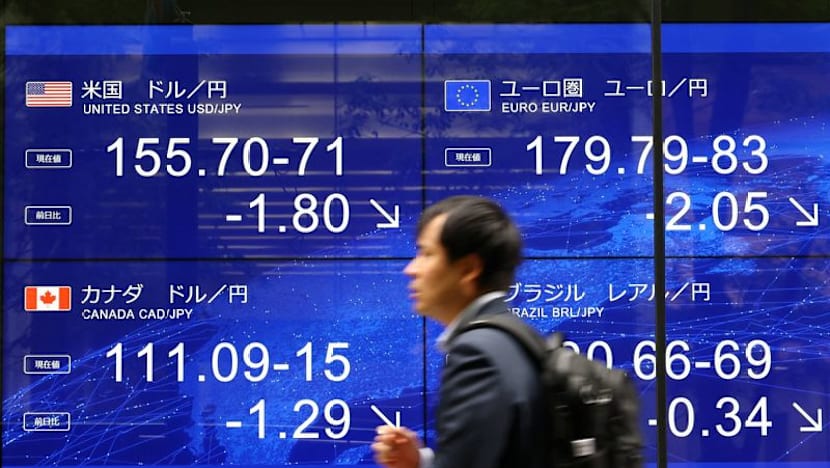
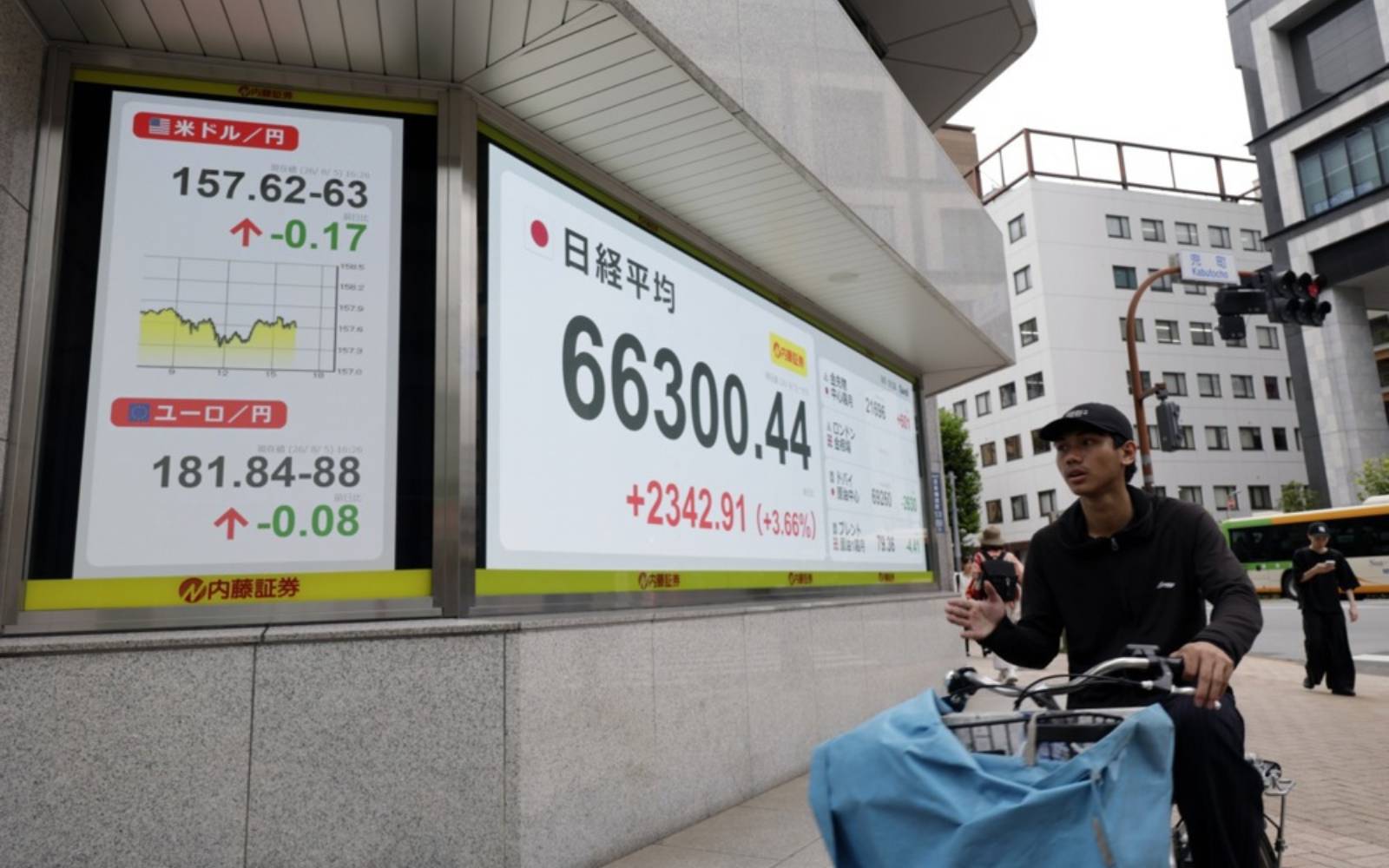
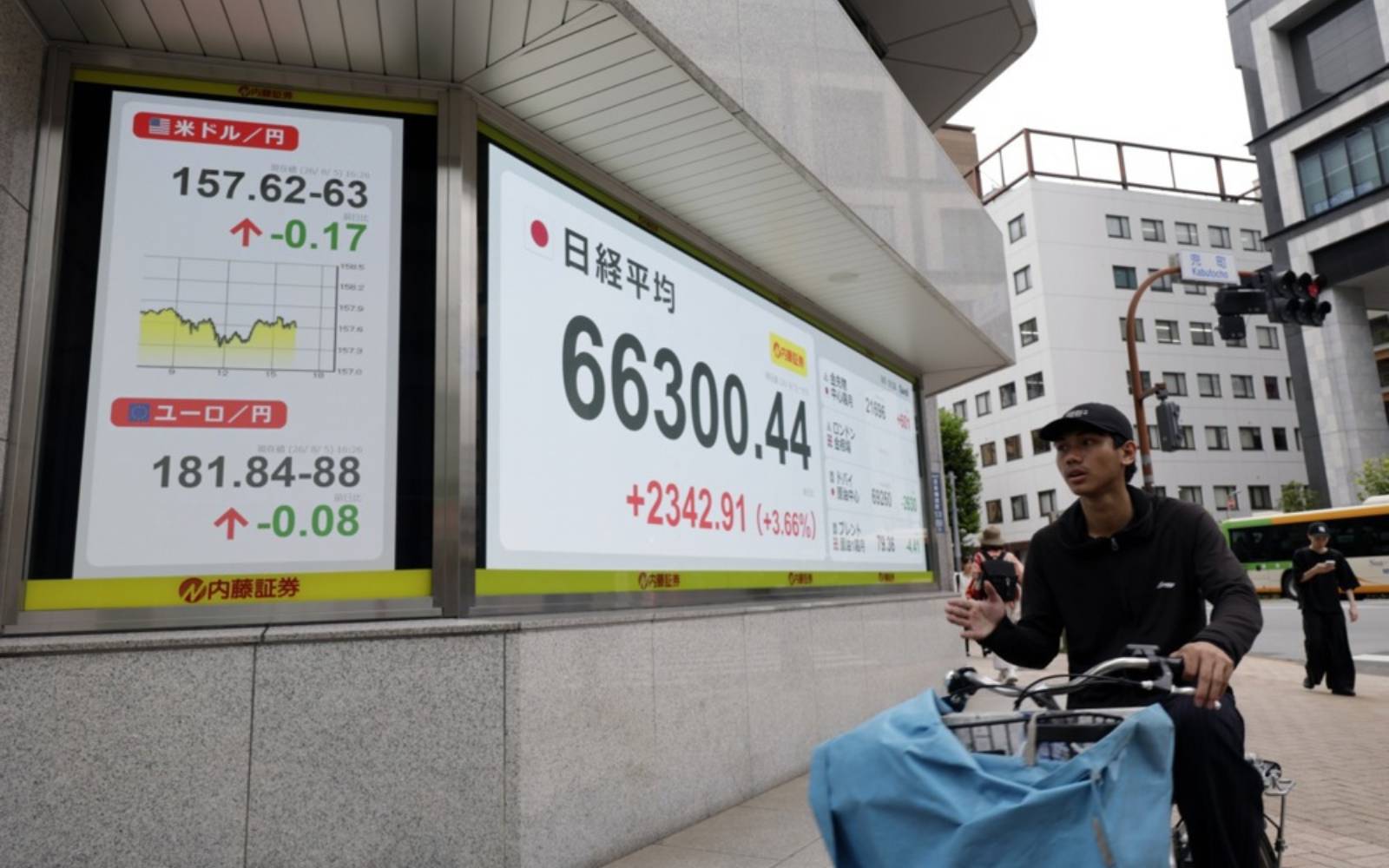
Japanese business leaders are expressing growing concerns over currency volatility and a persistently weak yen, which they warn could pose risks to the Japanese economy. This comes after the Japan-U.S. intervention last week, which aimed to support the currency. The yen recently reached a 40-year low of approximately 164 to the dollar, triggering the intervention that strengthened the yen by around 5 percent.
Fujimoto, the CFO of Mitsubishi Electric, emphasized that a weak yen does not automatically translate into positive outcomes. In fact, higher costs for energy, materials, and food can negatively impact domestic demand, potentially hindering Japan's progress in overcoming deflation. While a weaker yen benefits exports, nearly all Japanese companies import their raw materials, according to Norihiko Ishiguro, chairman of the Japan External Trade Organization (JETRO).
He added that a specific exchange rate range is ideal for companies, but a rate above 150 yen to the dollar might become less desirable as Japan's fundamentals and the trade balance remain unimproving.
The JETRO survey conducted in March revealed that approximately 20 percent of companies consider an exchange rate between 120 and 124 yen to the dollar to be optimal. However, only 11 percent of firms prefer a rate above 150 yen. Mitsubishi Electric's CFO, Fujimoto, suggested that the market's hope for the yen to strengthen to these levels may be diminishing. Fujimoto believes that a rate of 120 to 130 yen to the dollar may not be seen again, considering Japan's economic situation and the stagnant trade balance.
Written by urgent.news from Channel News Asia's reporting — not their text. Machine-written — may contain errors; check the original before relying on it.