India's first dengue vaccine Qdenga may arrive in 2027: Can it stop outbreaks? Who can take it? What we know so far
Dengue vaccine Qdenga is likely to be arrive in India early next year. Is this a new vaccine? Can it stop outbreaks? Who can take it? What are side effects? Here's all you need to know about Qdenga.
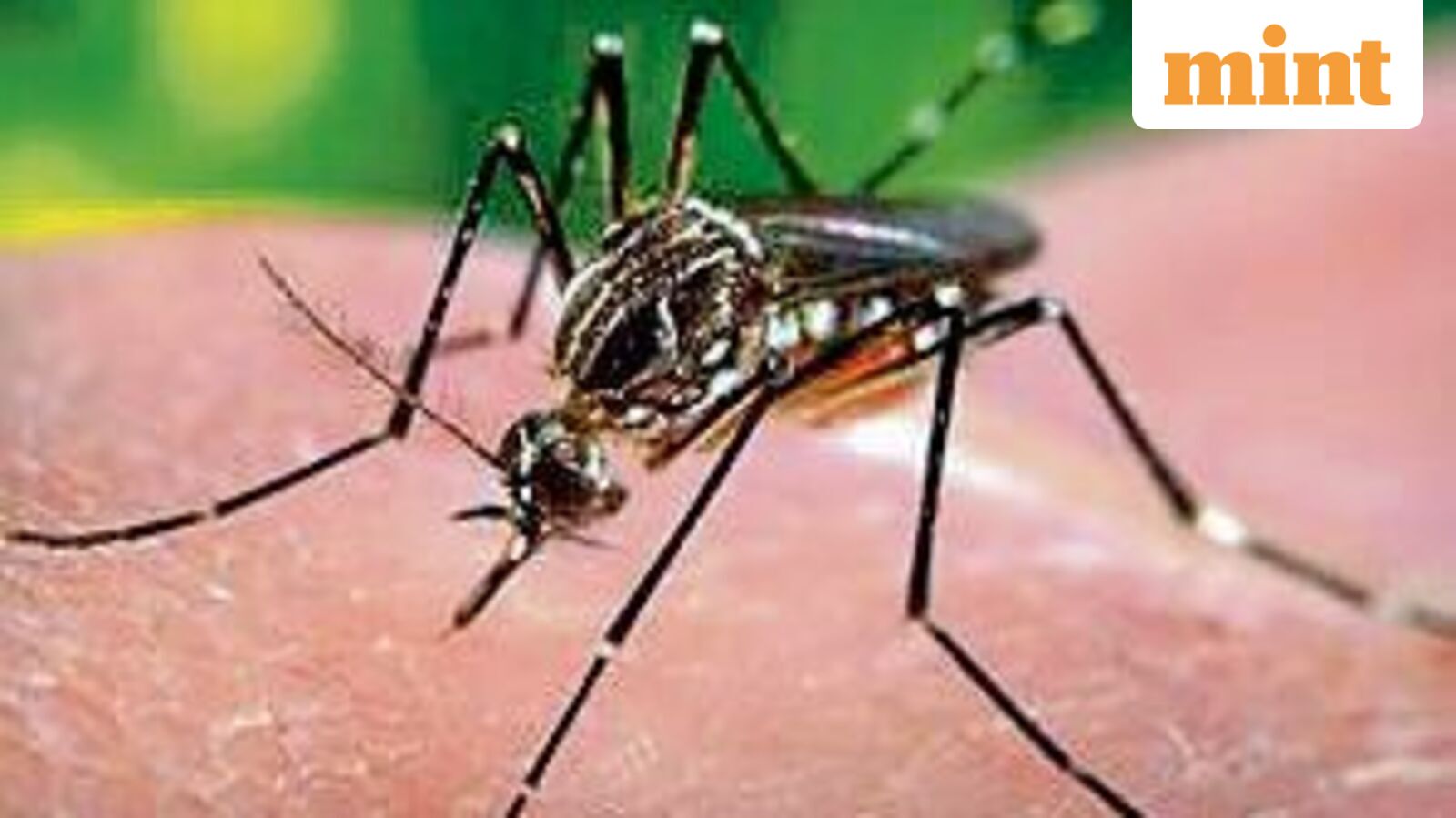
India is set to receive its first dengue vaccine, Qdenga, by early 2027, according to Chandrakant Lahariya, a leading infectious diseases expert. The vaccine, manufactured by Japanese company Takeda Pharmaceutical, is a live, attenuated tetravalent dengue vaccine that provides protection against all four dengue virus serotypes. Qdenga is currently expected to be available through private healthcare settings in India, following its marketing authorization granted by the Central Drugs Standard Control Organisation (CDSCO) in July 2026.
Qdenga is intended for use in individuals aged 4 to 60 years and is recommended for those at higher risk of contracting dengue, such as pregnant women, children under 10, the elderly, and those with certain medical conditions like diabetes, obesity, high blood pressure, and metabolic disorders. The vaccine requires two doses, administered three months apart.
Despite its potential to reduce disease severity and hospitalizations, infectious diseases specialist Divya KS emphasized that Qdenga is unlikely to prevent outbreaks, as long as the mosquito vector remains present. The World Health Organization (WHO) advises individuals to consult their healthcare provider before receiving Qdenga, especially if they have a weakened immune system, are taking immunosuppressive medications, or have recently experienced an allergic reaction to a vaccine.
The vaccine's effectiveness may wane over time, so continued mosquito bite prevention measures are necessary after vaccination.
Written by urgent.news from Live Mint's reporting — not their text. Machine-written — may contain errors; check the original before relying on it.