How US conditions on Saudi nuclear accord could torpedo the deal
Appropriately for atomic physics, the US-Saudi Arabia accord on nuclear co-operation, signed during the last week of July, hovers in quantum uncertainty. The crucial “123 Agreement”, it was reported, would allow Riyadh to enrich uranium, the issue at the nucleus of decades of Iran-US collision. But US President Donald Trump promptly posted: “There will be no enrichment of material!” So which is…
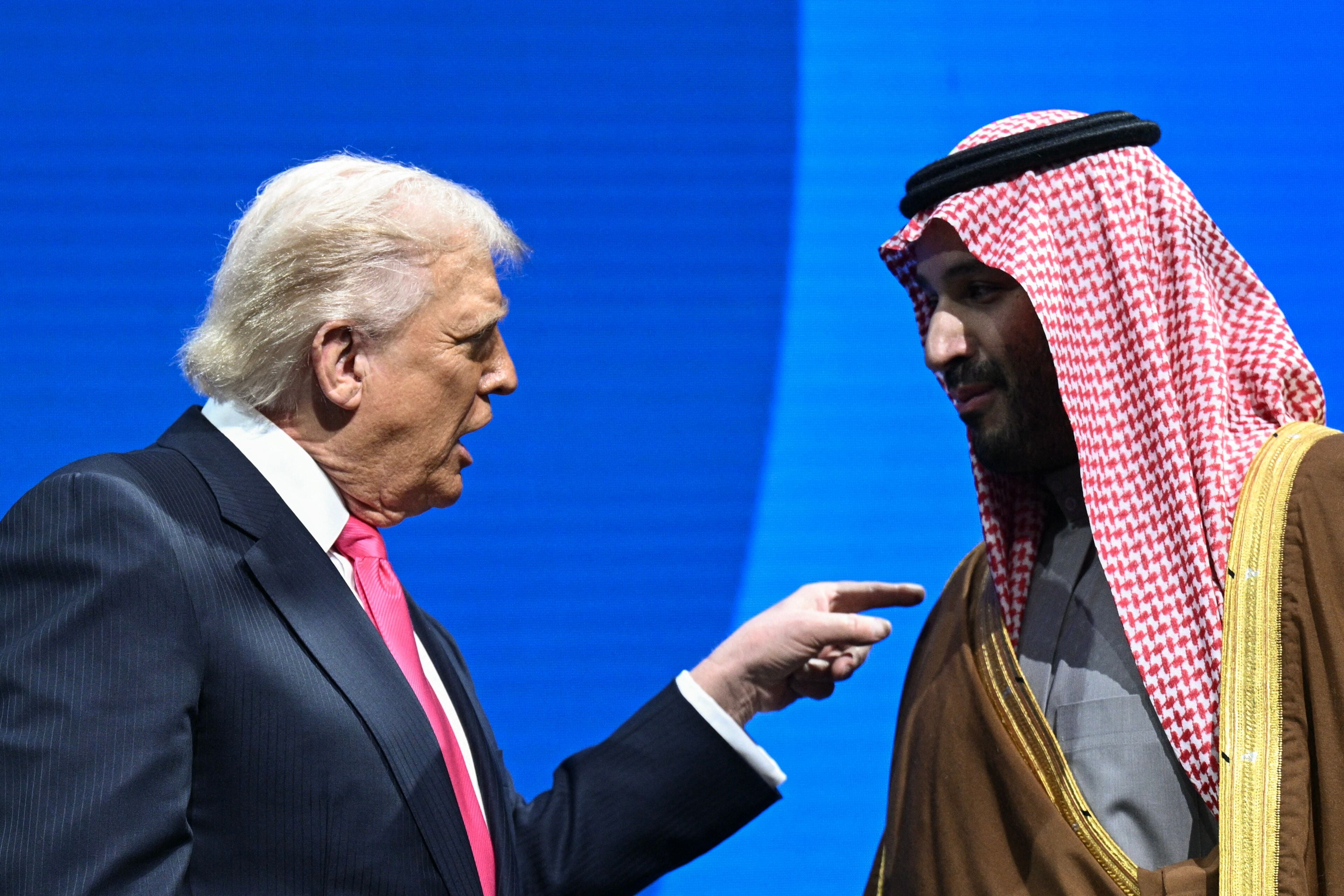
The US-Saudi Arabia nuclear cooperation agreement, signed in late July, remains uncertain due to conflicting statements from US President Donald Trump. The crucial "123 Agreement" would permit Riyadh to enrich uranium, a contentious issue linked to Iran-US tensions for decades. The US initially claimed no enrichment would occur, but this raises questions about the deal's validity and its significance.
US civil nuclear cooperation has a complex history, requiring a 123 Agreement, named after the relevant section of the 1954 Atomic Energy Act. Iran signed such an agreement in 1957, and Iran's Shah Pahlavi loaned $1.18 billion to Eurodif, a European enrichment consortium, in 1974. However, the Shah's ambitious nuclear plans fell apart after the 1979 Revolution, and Iran's desire to enrich beyond civilian levels has fueled nuclear weapons concerns.
The UAE, seeking good relations with nuclear suppliers, built Barakah nuclear plant with Korean technology, benefiting from low-carbon power amid Iran's attacks on Saudi gas installations. Saudi Arabia, with nuclear ambitions since the 1960s, planned 17 gigawatts of generating capacity by 2032, relying on solar, wind, and gas for power generation. The kingdom aims to develop the entire nuclear fuel cycle, including uranium mining, processing, and fuel manufacturing, raising concerns about its enrichment capabilities.
Riyadh has five main options for a lead nuclear partner: the US, South Korea, France, China, and Russia. While South Korea and France have potential, Rosatom's involvement in Egypt and Turkey and China's limited success abroad make them less appealing. China's domestic success has only occurred in Pakistan, and US opposition would likely prevent it from leading a Saudi nuclear program.
The uncertainty surrounding the agreement, with Trump seemingly backtracking on enrichment, adds to the complexity. If the US stalls, Saudi Arabia may turn to other partners. The confusion surrounding the deal underscores the need for clarity and progress in negotiations.
Written by urgent.news from The National UAE's reporting — not their text. Machine-written — may contain errors; check the original before relying on it.
Also reported by 1 other outlet
- How US conditions on Saudi nuclear accord could torpedo the deal thenationalnews.com