For India, the Mecca pact is a setback. For China, it's a warning
A new defense pact between Pakistan, Saudi Arabia, and Turkey has been signed. This agreement is seen as a setback for India's regional interests. China may benefit commercially from increased weapon system access. However, the pact could also reduce US military focus in West Asia. This shift might allow greater US attention on China's growing influence.
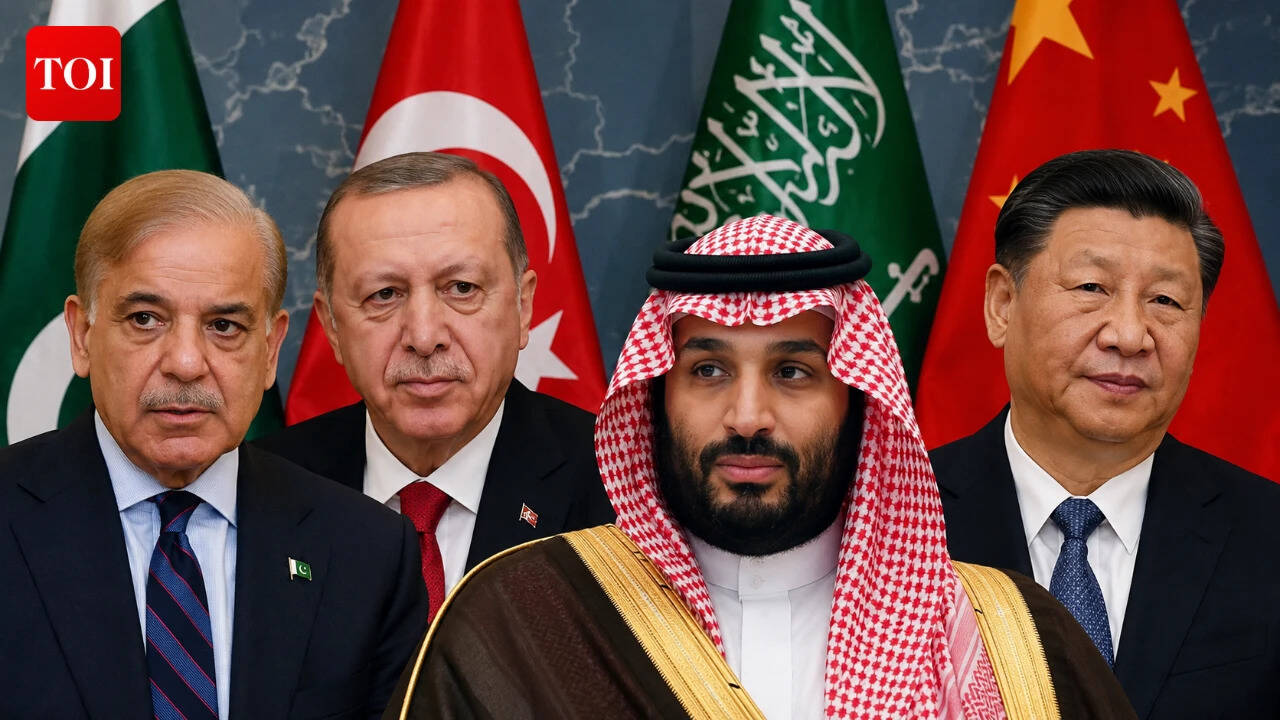
For India, the recent Mecca pact among Pakistan, Saudi Arabia, and Turkey marks a setback, while China sees it as a warning signal. The mutual defence agreement declares any armed attack against one of the three states as an attack against all. While the pact primarily benefits Pakistan as a net security provider, it could embolden Islamabad to adopt a more aggressive stance towards India.
Even if Saudi Arabia refrains from military support, Pakistan could gain intelligence cooperation, weapons flow, diplomatic backing, or financial assistance.
Moreover, growing defence cooperation between Pakistan and Turkey, evident during Operation Sindoor, further complicates India's position. China, however, appears to be the main beneficiary of this pact. China has been arming Pakistan, buying Iranian oil, and forging ties with Saudi Arabia and Turkey. The new defence pact could grant Chinese weapon systems greater access to Gulf markets, potentially leading to increased Chinese influence in the region.
China stands to gain commercially from the pact and could become a significant supplier of Chinese equipment to Saudi Arabia. Additionally, China could maintain its pivotal diplomatic and economic role for all members of the pact. However, these advantages could come at a cost. China must refrain from becoming a major arms supplier to the region, risking US retaliation by stepping up arms supplies to Taiwan.
Ultimately, the Mecca pact underscores the increasing complexity of modern warfare and the challenges of achieving decisive military victories. The conflicts in Ukraine and Israel demonstrate that military alliances or superiority do not guarantee success against a weaker adversary. This realization may deter China from attempting to forcibly unify Taiwan, given the potential costs involved.
China's approach to regional stability, characterized by its "wolf warrior" diplomacy, has inadvertently encouraged countries to strengthen their military cooperation with the United States and boost defence spending. India's response to the Mecca pact will be crucial, as it will determine whether Pakistan's involvement could lead to a clash between India and Pakistan under this new framework.
For China, the key question lies in whether the pact provides the United States greater flexibility to focus on the Indo-Pacific region, potentially reducing its military presence there.
Written by urgent.news from Times of India's reporting — not their text. Machine-written — may contain errors; check the original before relying on it.