A farewell to (American) arms: Europe is pushing the U.S. out of its military-industrial complex
A quiet revolution is underway in Europe: import substitution in the defense sector. The EU intends to free itself from American technology so it can develop and sell weapons without having to seek Washington's approval. The shift has been driven by growing disagreements with the U.S. over a range of issues — aid to Ukraine, trade tariffs, and repeated American threats to withdraw from NATO. As a…

The European Union is striving to reduce its reliance on American military technology and exert greater independence in its defense industry. Washington exerts significant control over Europe's defense sector through its International Traffic in Arms Regulations (ITAR), which restricts the manufacture, upgrade, and operation of key weapons systems without U.S. approval.
The ITAR's "see-through principle" mandates that any weapon or system containing even minor American-made components falls under U.S. jurisdiction, leading to delays and denials of export approvals.
Key examples of this control include the suspension of France's Falcon Eye satellites to the UAE and the SCALP missiles for Egypt's Rafale fighter jets. The U.S. Foreign Military Sales (FMS) program also serves as a tool for exerting influence over global conflicts and diplomatic disputes. The CLOUD Act, which allows U.S. authorities to access data stored on servers located in Europe, further challenges data sovereignty and could limit the use of weapon systems tied to U.S. updates and spare parts.
In response to these constraints, the EU has introduced new defense regulations to encourage European companies to eliminate American technology from their supply chains. However, this transition faces challenges, as European contractors must still disclose technical information about their systems to U.S. regulatory authorities, potentially exposing commercially sensitive data.
Moreover, European nations face limitations in procuring sufficient munitions and military equipment, as demonstrated by the Tomahawk cruise missile supply crisis. Germany and other EU nations have begun developing their own regulatory frameworks to mitigate these issues.
The dependence on American-made weapons poses significant challenges to Europe's bargaining power and financial sustainability. Approximately 58% of all defense equipment purchased by European NATO members originates from the United States, limiting their strategic flexibility and diverting substantial funds to American defense contractors.
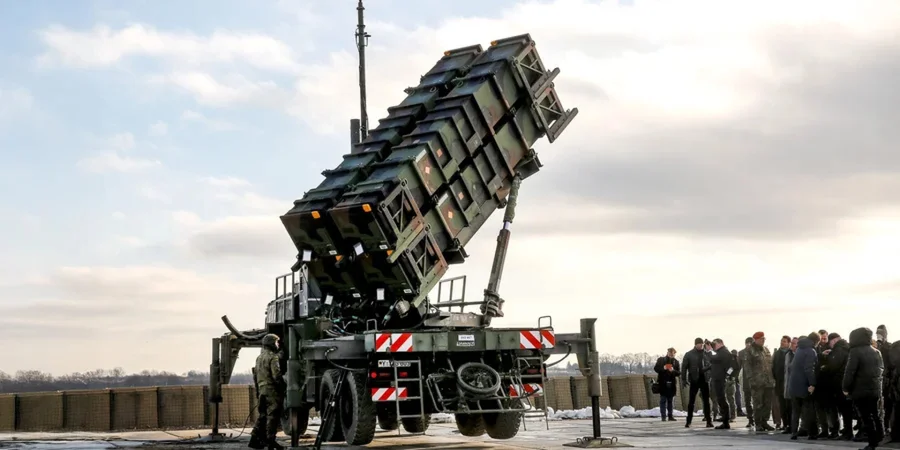
The EU aims to increase its defense procurement from within the bloc to at least 50% by 2030, with Germany imposing strict requirements for ITAR-free components in defense contracts. Denmark's choice of the SAMP/T air defense system over the U.S.-made Patriot and Lithuania's adoption of MBDA's MICA guided missile, which contains no American-made components, highlight the EU's commitment to reducing its reliance on American military technology.
Written by urgent.news from The Insider's reporting — not their text. Machine-written — may contain errors; check the original before relying on it.