Tibetan activist's final act puts forgotten struggle in spotlight
NO one knew what Lobga Rang-zen was planning. Not the monk who was his friend of 30 years, not his niece in New York.
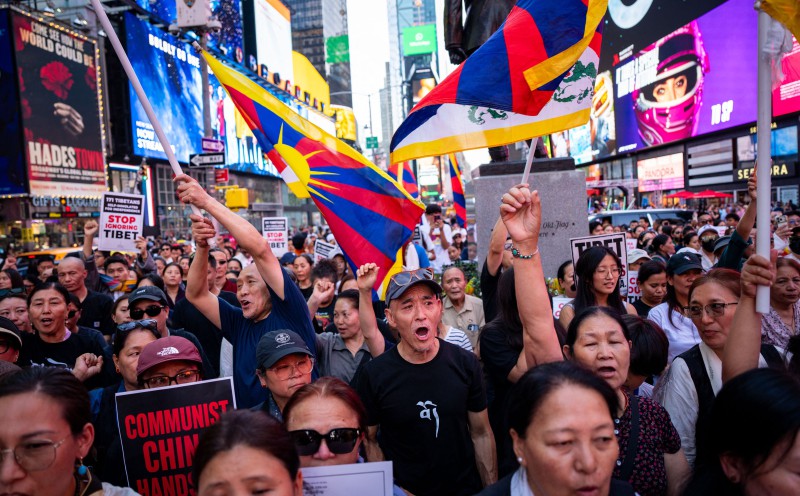
On July 2, Tibetan activist Lobsang Palden, known by his alias Rang-zen, ended his life in a dramatic act of self-immolation outside the United Nations in New York City. The 52-year-old monk, who had lived in the US since 2006, had become increasingly concerned about the Chinese government's oppressive rule over Tibet. In his final act, Rang-zen became the first Tibetan to self-immolate in the United States, drawing international attention to the struggle for Tibetan independence.
Despite the monsoon weather, crowds gathered at the scene of his death, erecting a shrine in his memory and honoring his sacrifice. The incident occurred amidst a wave of self-immolations by Tibetan monks and activists in China, seeking to draw global sympathy for their cause. The Chinese government has since tightened its control over the region, adopting an "ethnic unity" law criticized for further diminishing minority rights.
Rang-zen's death, while not widely reported in Western media, served as a somber reminder of the ongoing struggle for Tibetan autonomy and the lengths to which activists will go to draw attention to their cause.
Written by urgent.news from New Straits Times's reporting — not their text. Machine-written — may contain errors; check the original before relying on it.