Japan marks Nagasaki bombing anniversary as PM Takaichi rattles pacifists with nuclear debate
Japan's Nagasaki on Sunday marked the 81st anniversary of the US atomic bombing at the close of World War II with a ceremony at the Peace Park memorial. It came as Prime Minister Sanae Takaichi’s government opens debate on the country's postwar non-nuclear principles amid increasing doubts over the reliability of the US security umbrella as China flexes its military muscles in the region.
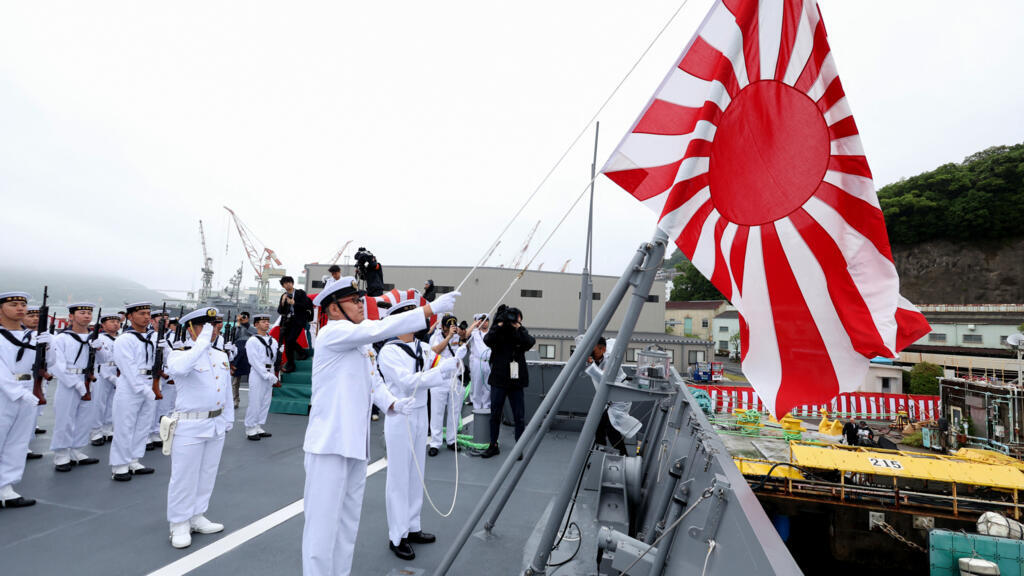
TOKYO, Aug 9 — As Japan commemorates the 81st anniversary of the atomic bombings of Hiroshima and Nagasaki, the country's leaders are reigniting the long-standing debate over nuclear weapons, challenging the nation's long-standing pacifist stance. The Japanese constitution forbids the use of military aggression, and successive governments have steadfastly rejected the possession, production, or introduction of nuclear weapons on its soil.
However, this commitment is now under threat as regional powers like China bolster their military might, and concerns arise regarding the reliability of the United States, Japan's primary security ally.
Prime Minister Sanae Takaichi remains tight-lipped on whether she will uphold the widely recognized "three non-nuclear principles," while Defence Minister Shinjiro Koizumi has called for a "discussion without a taboo" on the topic. In December, a senior administration official reportedly suggested that Japan should possess nuclear arms, a claim that garnered widespread criticism.
One survivor, 82-year-old Satoshi Tanaka, expressed skepticism, alleging that Takaichi may be attempting to alter Japan's anti-nuclear commitment.
Japan marked the Hiroshima bombing anniversary on Thursday, and will do the same for Nagasaki on Sunday. Takaichi's government is currently revising the national defence strategy, which includes lifting the self-imposed ban on weapons exports and boosting defence spending. These moves have drawn rebukes from China, which accuses Japan of pursuing "new militarism," and have unsettled the survivors of the 1945 bombings, who have historically influenced Japan's post-war pacifist political culture.
Critics argue that Takaichi's aggressive defence policies heighten Japan's danger, while supporters argue that the final clause of the non-nuclear principles should be revised to permit the United States to deploy nuclear weapons in Japan, ensuring regional deterrence. The debate continues as Japan grapples with the future of its nuclear policy amid shifting regional dynamics.
Written by urgent.news from Malay Mail's reporting — not their text. Machine-written — may contain errors; check the original before relying on it.
This story
This is one outlet's version. Read the fullest account.