I've gone from writing about SD-WAN to depending on it
Starlink and 5G home internet are helping close the digital divide, but they're far from perfect. Glue them together, and you can get awfully close.
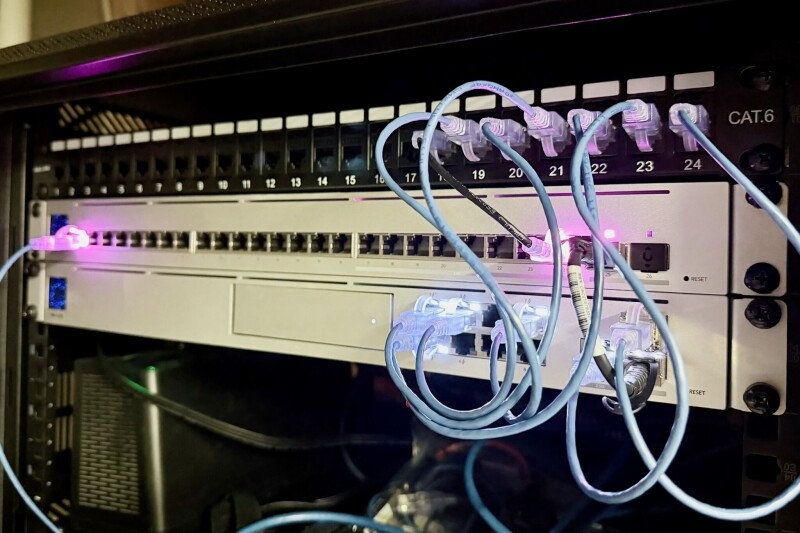
After relocating to the Colorado Rockies this spring, the couple found their remote work environment reliant on technology. SD-WAN, a software defined wide-area-networking technology, had become essential to their lives during this period. Typically, the couple's remote work required a fast and reliable internet connection, but their DSL connection at their new location in the Colorado Rockies only offered up to 20 Mbps down and a staggering 1.5 Mbps up, far below their expectations.
Fortunately, 5G and Starlink provided faster alternatives, with T-Mobile's 5G internet delivering near-gigabit download speeds and Starlink promising uplinks of around 30 Mbps. However, both services faced reliability issues, with dropped connections occurring frequently during working hours. To resolve this, they opted for SD-WAN, which allowed them to configure their Ubiquiti UniFi Dream Machine SE (UDM-SE) router to utilize both their 5G and Starlink connections.
By setting their router to failover to Starlink when T-Mobile's connection dropped, the UDM-SE successfully mitigated the disruptions caused by dropped connections, ensuring a consistent and reliable internet connection for their remote work.
Written by urgent.news from The Register Science's reporting — not their text. Machine-written — may contain errors; check the original before relying on it.
This story
This is one outlet's version. Read the fullest account.
- I've gone from writing about SD-WAN to depending on it theregister.com