How sleeping with lights on — even if they’re dim — may affect your sleep quality
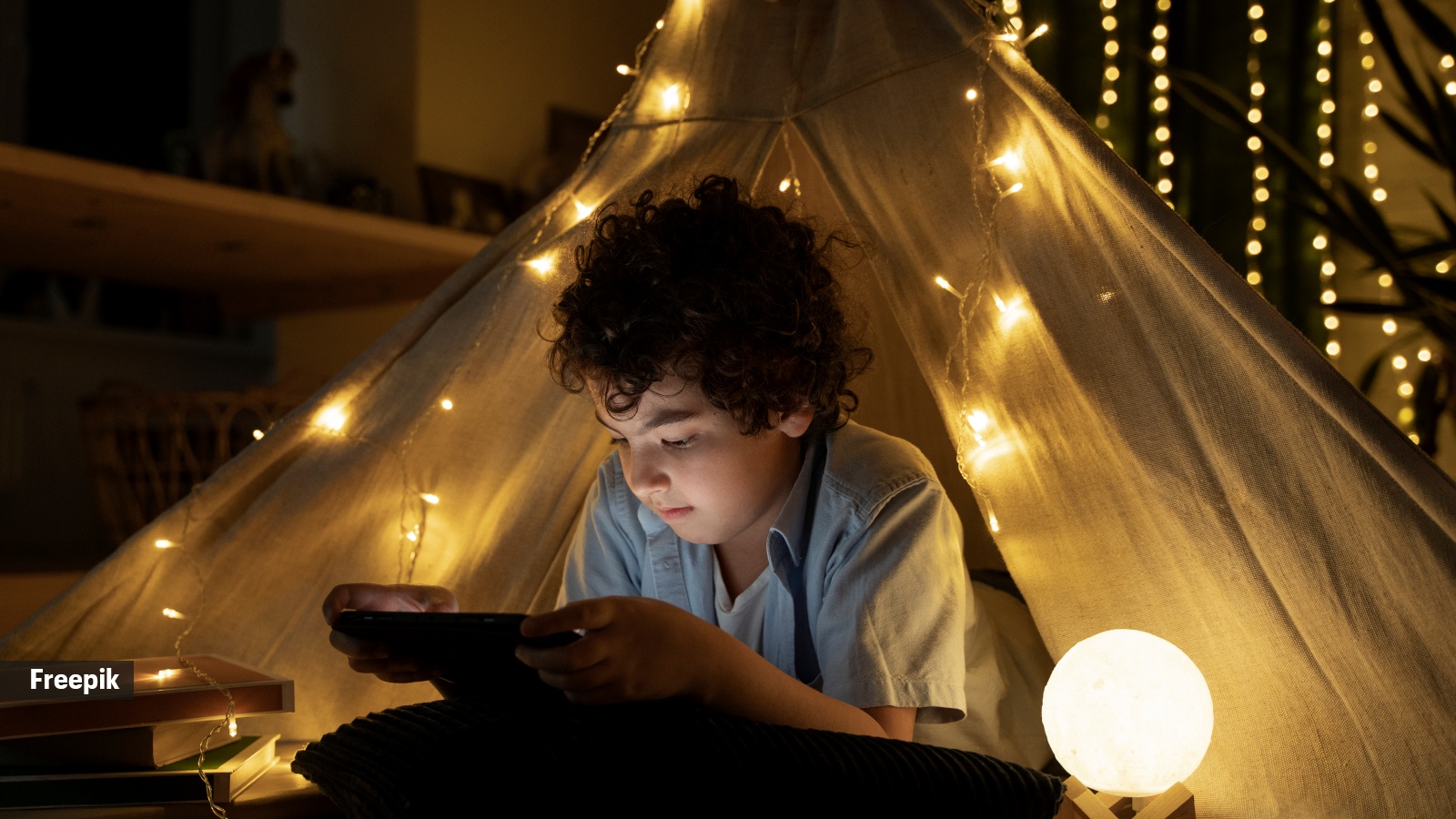
Sleeping under dim lights, even those that appear gentle, may have unforeseen consequences on the quality of your rest. Even seemingly soft illumination can disrupt the natural progression of sleep, affecting both the depth and the stages of rest crucial for overall well-being. Dr Pooja T, a pulmonologist at Aster RV Hospital in Bangalore, warns that even subtle decorative lighting can interfere with the body's ability to enter restorative sleep phases.
Exposure to artificial light during sleep can hinder the brain's capacity to transition fully to the deep sleep and REM stages, which are vital for physical recovery, memory consolidation, and emotional balance. Consequently, waking up feeling less refreshed and more fatigued is a common outcome. The presence of even low-intensity ambient light can suppress melatonin production, a hormone that signals the body to prepare for sleep.
This interference with melatonin can disrupt the circadian rhythm, the internal clock that governs sleep and wake cycles. Consistent nighttime light exposure may thus make it more challenging to fall asleep and may even alter the body's natural sleep schedule. The color and brightness of the light also play significant roles in its impact on sleep.
Blue or cool-toned lights, often found in white or LED fairy lights, have the strongest effect on melatonin suppression, as they resemble daylight. Warm yellow or amber tones are less disruptive, but exposure to any bright or flickering light, even at low levels, can still hinder sleep quality. In essence, cooler and brighter lights tend to cause more significant sleep disturbances than dim, warm-toned ones.
Research indicates that sleeping with any source of light can lead to lighter, more fragmented sleep and more frequent nighttime awakenings. These brief interruptions, though not fully conscious, can still diminish overall sleep quality, potentially contributing to daytime sleepiness, irritability, reduced concentration, and even metabolic issues.
Given these findings, it is generally advised against sleeping with fairy lights on. While it may seem appealing from a visual standpoint, the brain requires darkness to fully recognize and prepare for rest. For those who require light for comfort or safety, using a very dim, warm-colored night lamp placed low and away from direct line of sight is recommended.
Implementing timers to automatically switch off decorative lights before bedtime can also establish a healthier long-term habit.
Written by urgent.news from The Indian Express's reporting — not their text. Machine-written — may contain errors; check the original before relying on it.