From homes to assets: How housing fueled inequality
Real estate – once the largest store of wealth on the planet – has become the main driver of stratification
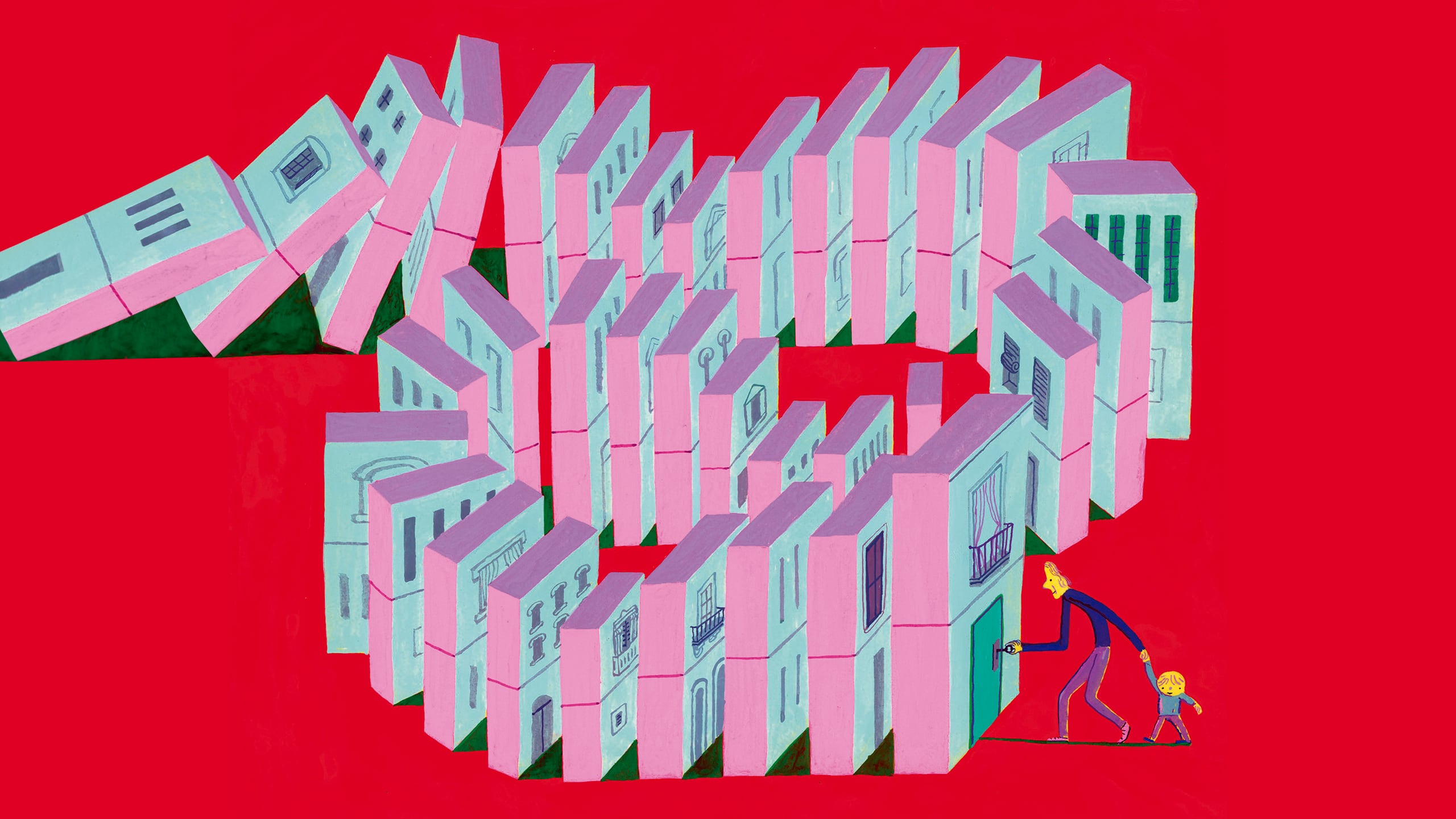
The real estate sector is a double-edged sword, enriching some while excluding others. Its value has grown so significantly that it's now a major driver of economic inequality, threatening the very foundations of the welfare state. Housing, once primarily a place to live, has become a primary driver of financial returns, competing with government bonds and technology stocks. This shift has made housing an increasingly important asset class in global financial markets.
In Spain, one of the European nations where housing inequality is most pronounced, 45% of the population is suffering due to the crisis, with over 40% of households unable to afford basic expenses. This trend has been exacerbated by rising housing costs, with many citizens spending more than 40% of their net income on rent. The gap between those who can afford housing and those who cannot has only widened, leading to growing poverty and entrenched inequality.
The challenge for governments, institutions, and society as a whole is enormous. With real estate surpassing the combined value of all debt and global stock markets, it has become the infrastructure of modern capitalism. Housing has lost its primary function as a place to live and has become a financial asset, valued primarily by its exchange value.
This shift has driven investors to seek stable returns in the real estate sector, leading to a massive influx of funds from various sources, including family offices, REITs, individual savers, and commercial banks.
The consequences of this trend have been far-reaching, affecting almost everyone who knows someone struggling to pay rent or secure a mortgage. The growing variety of actors buying homes and buildings, not for personal use but as investments, has contributed to soaring prices and a shortage of supply. Large landlords and investment funds hold only around 10% of Spain's rental housing stock, with the majority being fragmented among numerous small owners, unlike in countries like Germany and France, where up to 30% of rental properties are held by institutions.
This disparity in ownership and control of housing assets has been exacerbated by the fact that a growing portion of the housing supply has been diverted to investment purposes, eliminating a portion that could have been made available to young people and new middle-income households. The ultra-wealthy have further exacerbated the situation by buying homes in certain locations and keeping them vacant, effectively removing them from the housing market and driving up prices.
Written by urgent.news from El Pais English's reporting — not their text. Machine-written — may contain errors; check the original before relying on it.