Laila Tyabji on India’s Handloom Heritage: The Weaves, Artisans and Dastkar’s journey
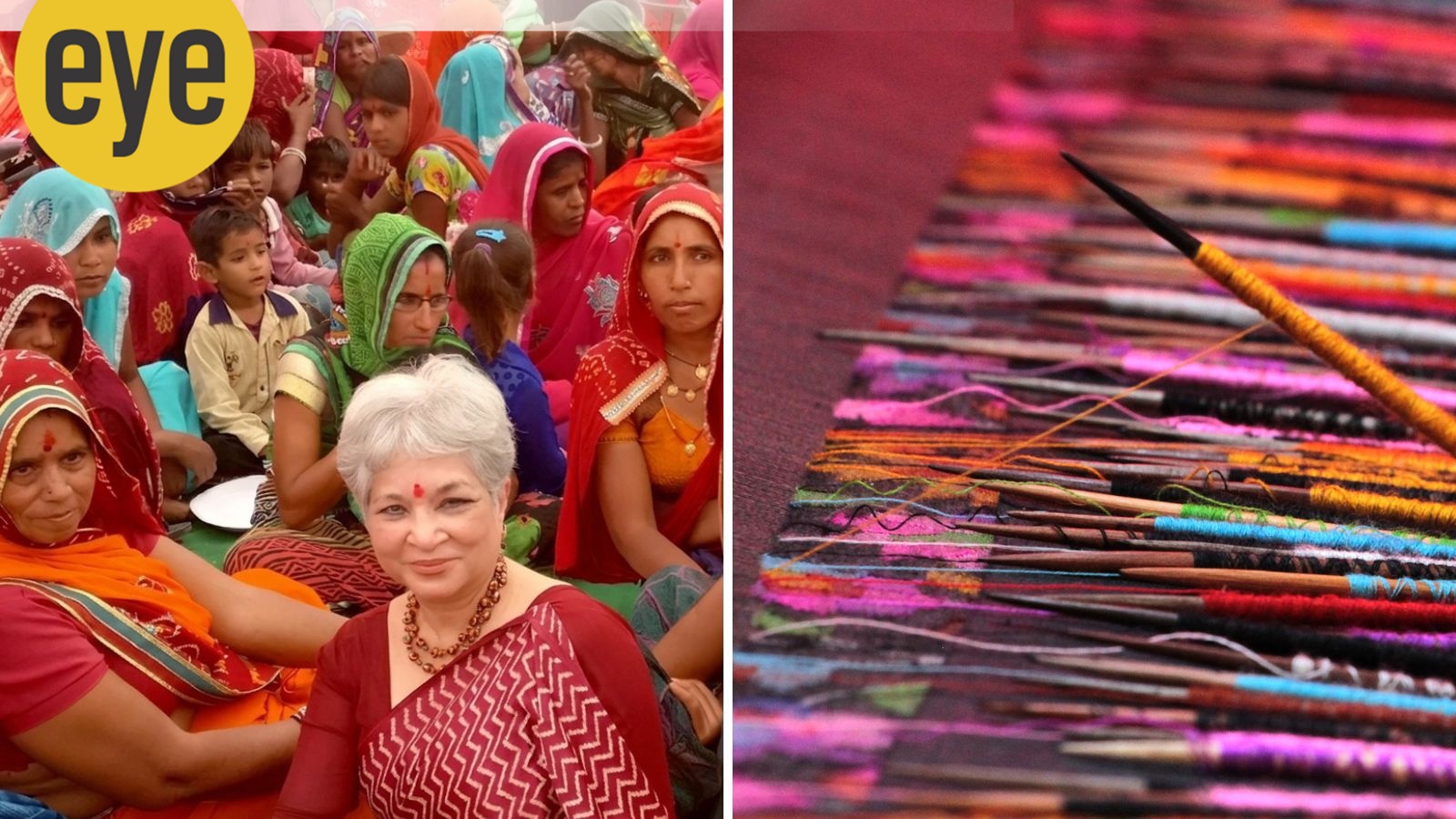
India's handloom weaving heritage is a treasure trove of diverse textiles, each region boasting its unique yarn, weave, color palette, and motifs. From the silk, cotton, tussar, linen, and jute of Bengal to the pashmina, wool, and jute of Ladakh and Kutch respectively, India's geography dictates the local materials used for weaving.
The durability and texture of fabrics produced in more arid regions are attributed to the climate and soil conditions, while fine long-staple cotton from Bengal lends itself to airy jamdani muslins.
Many iconic weaves, such as those from Banaras, Patan, Kanjeeveram, Bhujodi, Kunbi, and Kotpad, have been preserved, while others like Bhujodi, Kunbi, and Kotpad are still waiting to be discovered and developed. The revival of various traditional weaves has been facilitated through support from organizations like Dastkar, which has had numerous successes in bringing back almost lost traditions and adapting them for modern urban wear.
One of Dastkar's most memorable projects was its Berozgar Mahila Kalyan Samiti in Bihar, which helped a group of over 500 women who had been in bonded labor for 20 years recover from their debt and start weaving again. Using royalty income from a book authored by Dastkar founder Gita Mehta, the project funded the women's rehabilitation and led to the creation of a successful line of saris, stoles, and dupattas.
Written by urgent.news from The Indian Express's reporting — not their text. Machine-written — may contain errors; check the original before relying on it.