China’s Wars by Vijay Gokhale: Decoding Beijing’s military strategy and ‘fight and talk’ approach
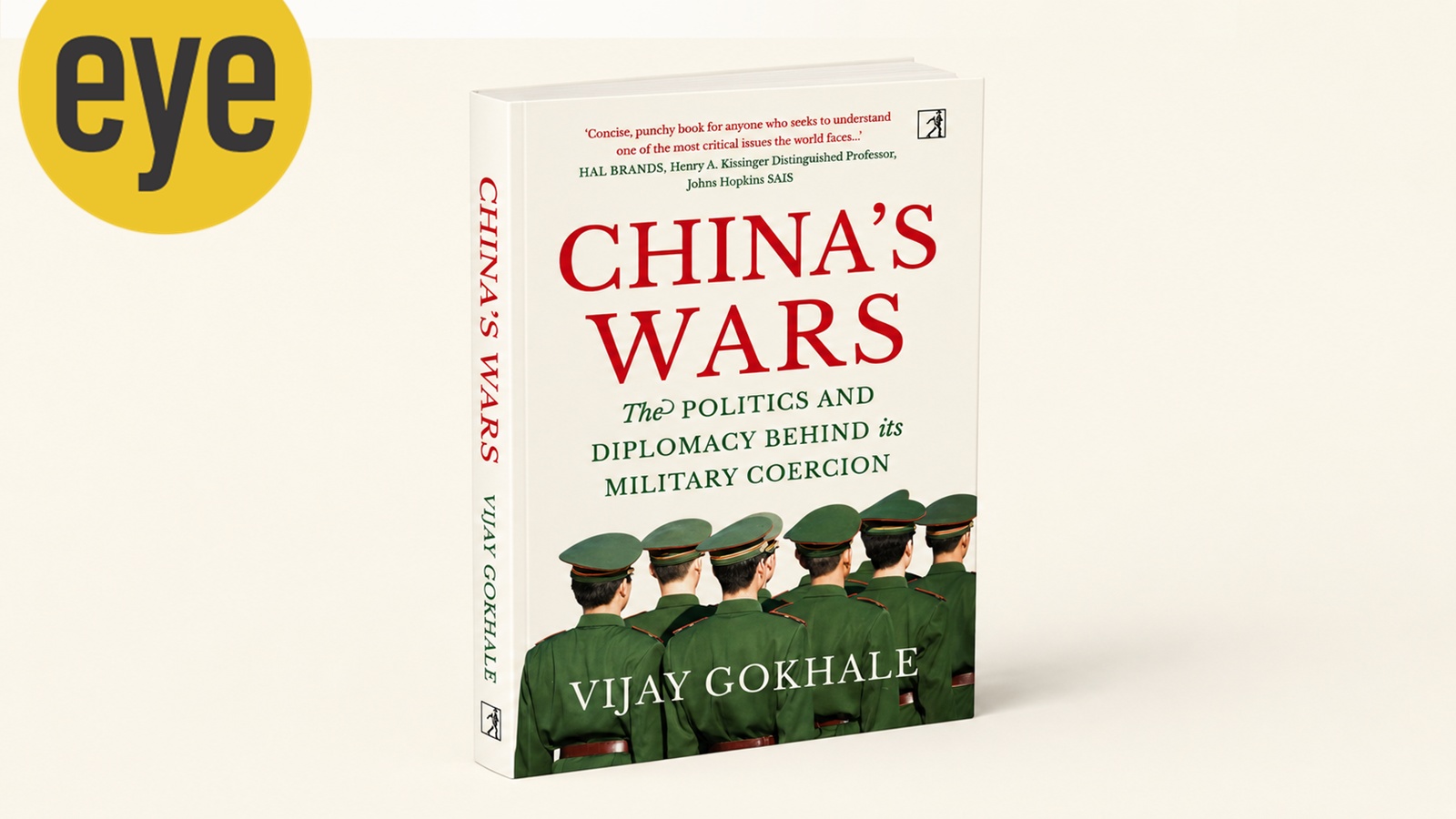
China's decision-making process remains a mystery to its neighbors, partners, and adversaries. Decoding Beijing's black box, which is a unique challenge, is the focus of Vijay Gokhale's latest book, China's Wars: The Politics and Diplomacy Behind its Military Coercion. Gokhale, a seasoned diplomat with extensive experience in China, has analyzed four case studies - the Taiwan Strait Crisis of 1958, the India-China war of 1962, the Sino-Soviet conflict of 1969, and the China-Vietnam War - to uncover the motivations and impulses driving China's aggressive military actions.
The book aims to provide a framework for understanding China's behavior, particularly from the Indian perspective, as the border standoff between the two nations continues. Gokhale notes that China uses conflict as a tool of psychological deterrence and that fighting and talking are intertwined in China's pursuit of its political goals, which may be territorial, geopolitical, or domestic in nature.
He argues that the 1962 war delivered a psychological-political blow to India, and that the era of peaceful coexistence is at an end. While Gokhale believes that India in 2025 is not the same as it was in 1962, he acknowledges that China is unlikely to achieve a total victory in a conflict with India. He emphasizes the need for India to prepare for a prolonged period of armed coexistence, and suggests that China may increasingly employ tools of coercion to achieve its political goals.
Written by urgent.news from The Indian Express's reporting — not their text. Machine-written — may contain errors; check the original before relying on it.