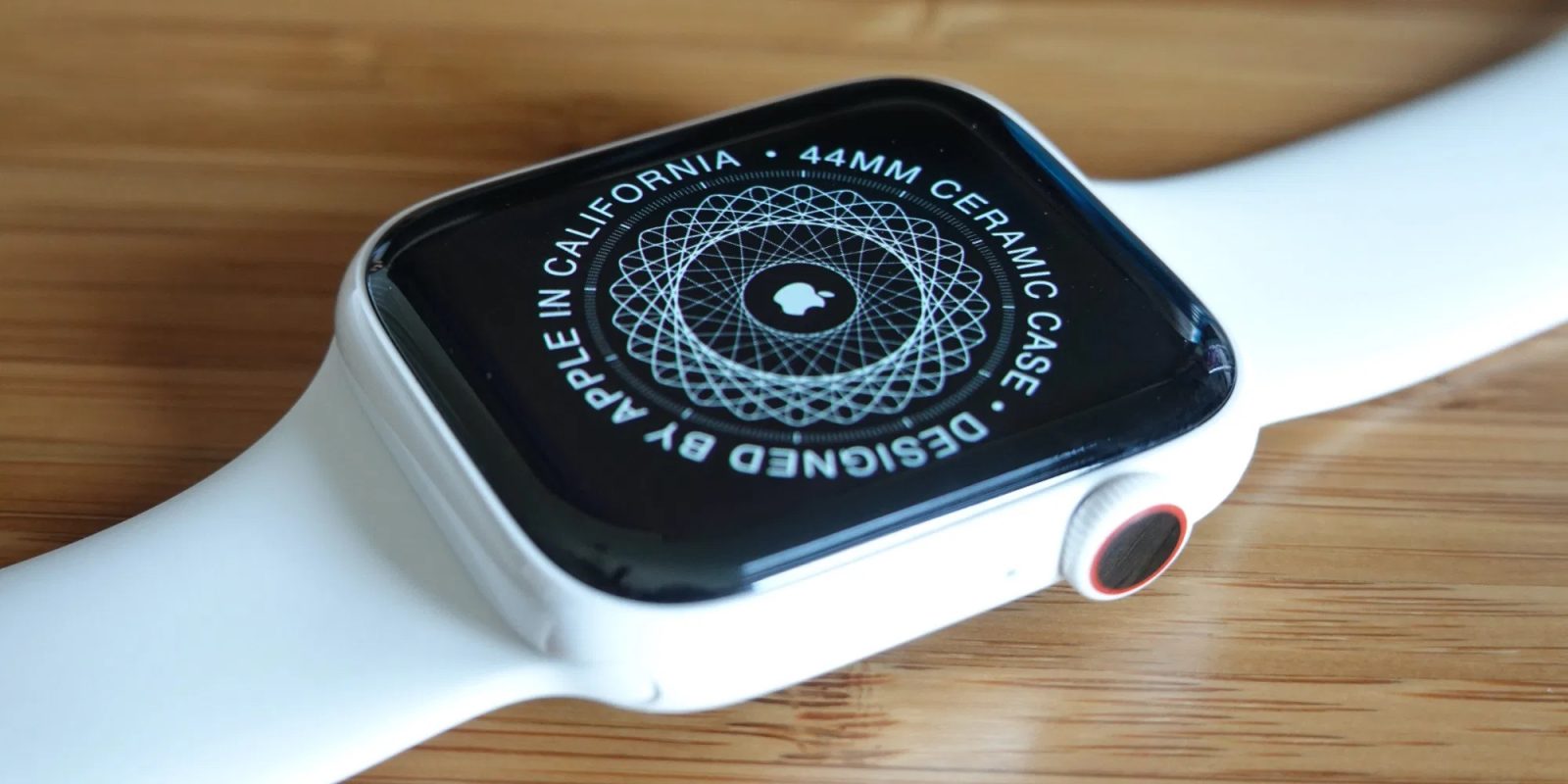
2026 Apple Watch upgrade will be dull, but a big redesign is in progress
The Apple Watch will see a revamp in the coming years, as Apple is reportedly in the middle of a shake up its wearables formula to meet an ever-changing market. Apple Watch Ultra 3 The Apple Watch has retained the same core design of a square display on a watch band, but it has evolved over time. While it has become thinner, larger, and more rugged in the Apple Watch Ultra , it can potentially do…
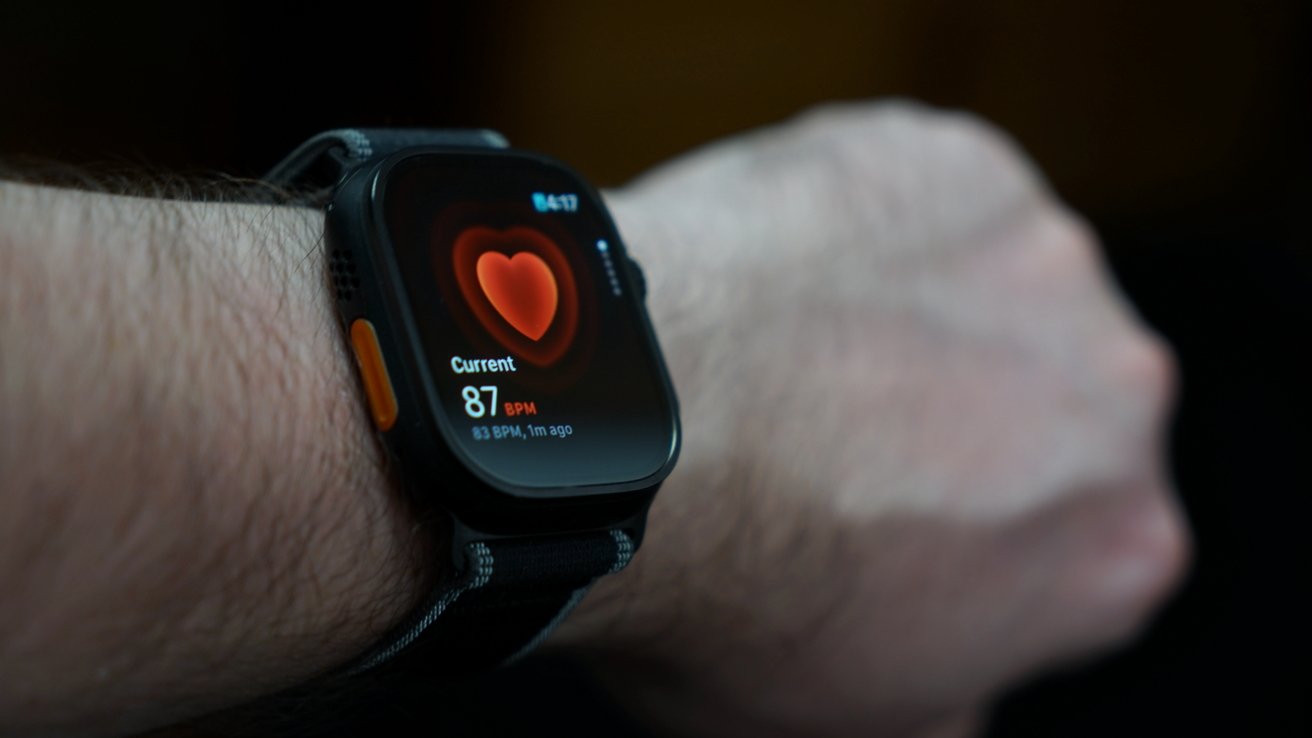
In recent years, millions of people have incorporated smart devices, such as smartwatches, into their daily routines to monitor their health metrics and promote a healthier lifestyle. While wearables can contribute positively to overall wellbeing and encourage better habits, there is a growing concern about the negative impacts these devices can have on individuals' mental health.
For reporter, a long-time user of Apple Watches, the device has become an integral part of their life, to the point where they feel compelled to maintain certain metrics, even when it goes against their physical wellbeing. The reporter's personal experience illustrates how the constant pressure to achieve and maintain high scores on their smartwatch can lead to anxiety and obsessive behavior.
Tech and wellness experts interviewed by the reporter shed light on the potential downsides of wearables. Dr. Dana McKay, an expert in technology and information at RMIT University in Australia, points out that these devices often employ persuasive design techniques to encourage users to adopt certain habits. This can potentially lead to unhealthy focus on the device and an over-reliance on data to judge one's health.
Furthermore, wearable technology can sometimes be coerced upon users by outside parties, such as insurance companies, putting them in a position where they must share personal data. This raises questions about privacy and the ethics of using wearable technology for insurance purposes.
Professor Yang Wei from Nottingham Trent University in the UK also acknowledges the benefits of wearables, such as their ability to motivate and empower users. However, he warns that these devices can also create pressure, anxiety, guilt, or unhealthy dependence on data. He stresses the importance of understanding that wearables create a framework for what is considered "good" or "bad" activity, sleep, recovery, or productivity, and that if this data is presented in a misleading manner, users may make unhealthy decisions.
To counteract the potential negative effects of wearables, both McKay and Wei suggest taking a break from the device from time to time. Dr. McKay advises against wearing the device while on vacation unless a health professional advises otherwise. Meanwhile, Professor Wei emphasizes the importance of being aware of the data presented by wearables and not allowing it to dictate one's daily life or health.
In summary, while wearables can offer valuable insights and support healthy habits, it is crucial to remain mindful of their potential to create anxiety, obsession, and unhealthy dependency. Taking breaks from these devices and fostering a balanced relationship with technology can help mitigate the negative impacts they may have on our overall wellbeing.
Written by urgent.news from TechRadar's reporting — not their text. Machine-written — may contain errors; check the original before relying on it.
This story
This is one outlet's version. Read the fullest account.
- Ceramic Apple Watch may return as soon as September appleinsider.com
- A new ceramic Apple Watch could go on sale soon 9to5mac.com
- Apple going circular could make the Watch better at being a watch digitaltrends.com
- ‘My Apple Watch is going to hate this’: Our wearables are making us anxious and obsessive — Here’s what we can all do about it techradar.com