Why broadcasting row has Tour de France Femmes fans 'pissed off'
In the Tour de France Femmes, less than 40 seconds separates the top three riders with only two stages to go. That's just one reason why supporters are questioning why they can't watch the entire race.
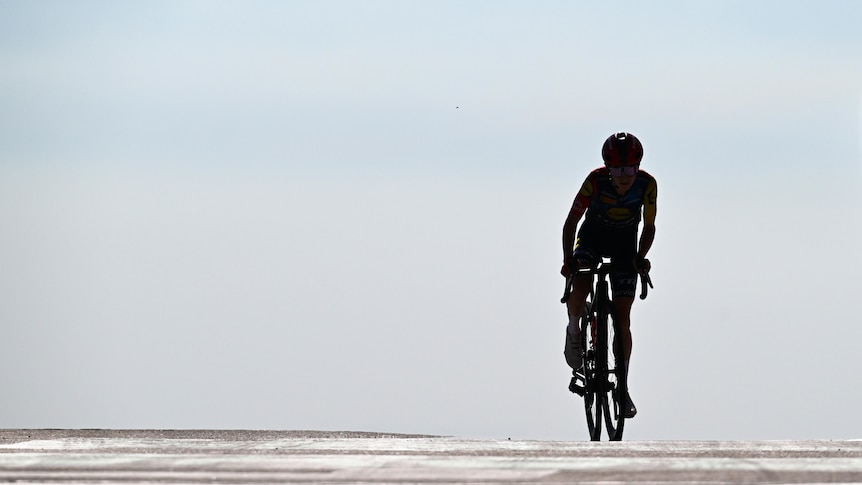
The Tour de France Femmes, the women's edition of the prestigious cycling race, has faced criticism for its limited live coverage. Only three out of the nine stages are being shown live, despite a 40% increase in viewership. This lack of comprehensive coverage has left fans frustrated, as they miss out on critical moments such as attacks, tactics, and defining moments of the race.
The Cyclists' Alliance, the women's riders' union, has criticized the partial coverage, stating that for the biggest race in women's cycling, it is no longer enough. Broadcasters, including Orla Chennaoui from TNT Sports, expressed their frustration, saying they are "getting really pissed off." The demand for full live coverage is undeniable, with TCA noting a 40% increase in viewership.
However, France Télévisions, which handles production and distribution of the broadcast, can only show the footage they are provided with, and ASO is responsible for the overall coverage of the men's and women's races.
Written by urgent.news from ABC News's reporting — not their text. Machine-written — may contain errors; check the original before relying on it.
This story
This is one outlet's version. Read the fullest account.