Tokyo had 13,000 geisha in 1940. That number has plummeted
Foreign Correspondent secures rare access to the closed world of geisha, Japan's iconic art form struggling to survive.
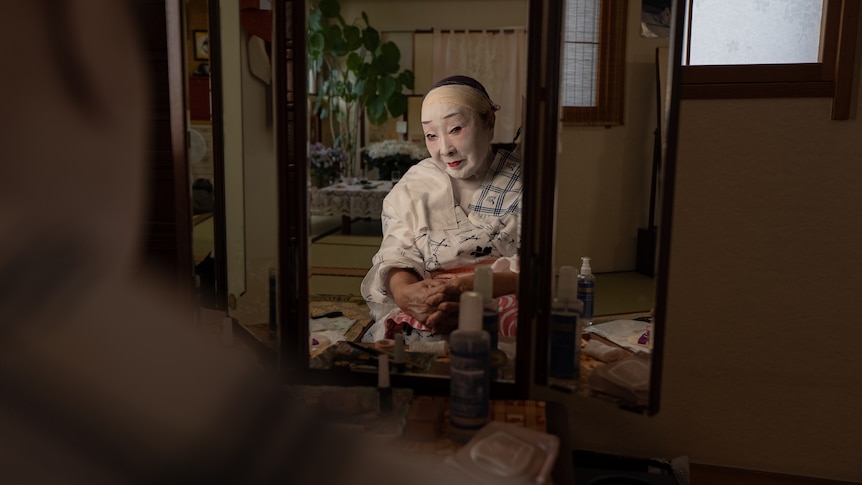
In 1940, Tokyo boasted a thriving geisha culture, with an estimated 13,000 geisha residing and working in the city's special districts known as hanamachi, or flower towns. Over the course of Ikuko's 60-year career, she has witnessed the number of geisha in her area of Tokyo dwindle from 200 to just about 20. In response to this decline, Ikuko has embraced new technologies, such as hologram projections and AI-generated younger versions of herself, to help preserve this iconic art form.
Geisha, with their striking white makeup and bold black wigs, are synonymous with Japan and are known for embodying the art of omotenashi, or wholehearted, selfless hospitality. They dedicate their lives to mastering traditional Japanese arts, rehearsing by day and hosting banquets in exclusive high-end restaurants and teahouses by night. These banquets often involve dancing, playing traditional instruments like the shamisen and taiko drum, and facilitating conversation among guests.
Ikuko, who made her debut as a geisha in 1964 during the Olympics, has entertained politicians, business leaders, and chairmen throughout her illustrious career. She has been confronted with the misconception that geisha are prostitutes, though this is not an accurate representation of their profession. In the past, some geisha may have sacrificed themselves for their families, but this practice is no longer condoned.
The decline of geisha in Tokyo can be attributed to a series of events, including the announcement by then-prime minister Hosokawa Morihiro in 1993, which discouraged politicians and businessmen from using geisha-hosted restaurants for meetings. This led to a decline in customers and, consequently, the closure of many ryotei restaurants. As a result, several geisha districts have ceased to exist.
Some geisha, like Asakusa Miyakadori, have adapted to the changing times by opening their doors to tourists, no longer requiring referrals or invitations to attend. While this approach may seem radical, it is seen as necessary for the survival of the tradition. However, these changes have not been without backlash from within the geisha community. Despite this, owners like Okami Chikage remain committed to finding new customers and income sources to keep the culture alive for another few decades.
Written by urgent.news from ABC News AU's reporting — not their text. Machine-written — may contain errors; check the original before relying on it.