New mystery microbe found in toxic pesticide dump could hold key to new medicines
Research Matters Staff Writer(s) Bengaluru 8 Aug 2026 Researchers have discovered a new species of bacteria thriving in the harsh, toxic soil of a banned pesticide dumpsite. The microbe, named Microbacterium pollutisoli , was isolated from the earth in Ummari village, Uttar Pradesh, by a research team from the University of Delhi and the CSIR-Institute of Microbial Technology. While the site is…
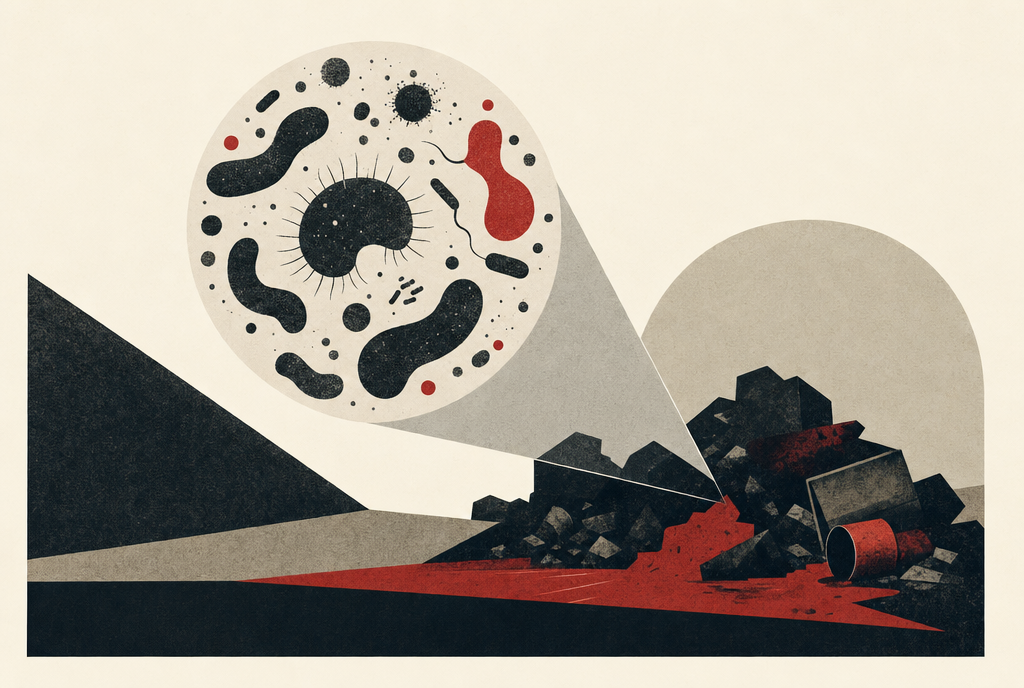
In a groundbreaking discovery, researchers from the University of Delhi and the CSIR-Institute of Microbial Technology have found a novel species of bacteria thriving in the toxic soil of a banned pesticide dumpsite in Ummari village, Uttar Pradesh. Named Microbacterium pollutisoli, this microbe was isolated from soil samples taken at a depth of 30 centimetres, where it thrives in the presence of Hexachlorocyclohexane (HCH), a hazardous pesticide now banned globally due to its cancer-causing properties.
The research team utilized polyphasic testing, which combines physical observation with DNA sequencing, to confirm that Microbacterium pollutisoli is a species never previously recorded by science. This resilient microbe forms yellow, rod-shaped colonies and can survive temperatures ranging from 12°C to 46°C, as well as highly alkaline conditions. Although it does not directly consume the HCH pesticide, the bacteria have evolved to coexist with it.
More intriguingly, the genome of Microbacterium pollutisoli revealed biosynthetic gene clusters that could potentially produce valuable compounds such as carotenoids (used in vitamins), ectoine (a protective substance for cells), and beta-lactones (studied for their antibacterial or anticancer properties). By comparing its genetic makeup to its closest known relative, Microbacterium invictum, scientists found that the two species are only 83% similar in their DNA, highlighting the unique nature of the newly discovered microbe.
The name Microbacterium pollutisoli, derived from the Latin words "pollutus" (meaning "contaminated") and "solum" (meaning "soil"), aptly describes its origins. Researchers believe that studying this microbe could unlock new ways to produce industrial chemicals and provide insight into how life adapts to human-induced environmental disasters.
Written by urgent.news from Research Matters India's reporting — not their text. Machine-written — may contain errors; check the original before relying on it.