Who could succeed Mojtaba Khamenei? Iran's Supreme Leader's health reportedly worsens
Iran's Supreme Leader Mojtaba Khamenei's health is reportedly worsening, with concerns over his condition growing among senior officials. His prolonged absence from public view has also fuelled speculation about his ability to lead and possible succession plans.
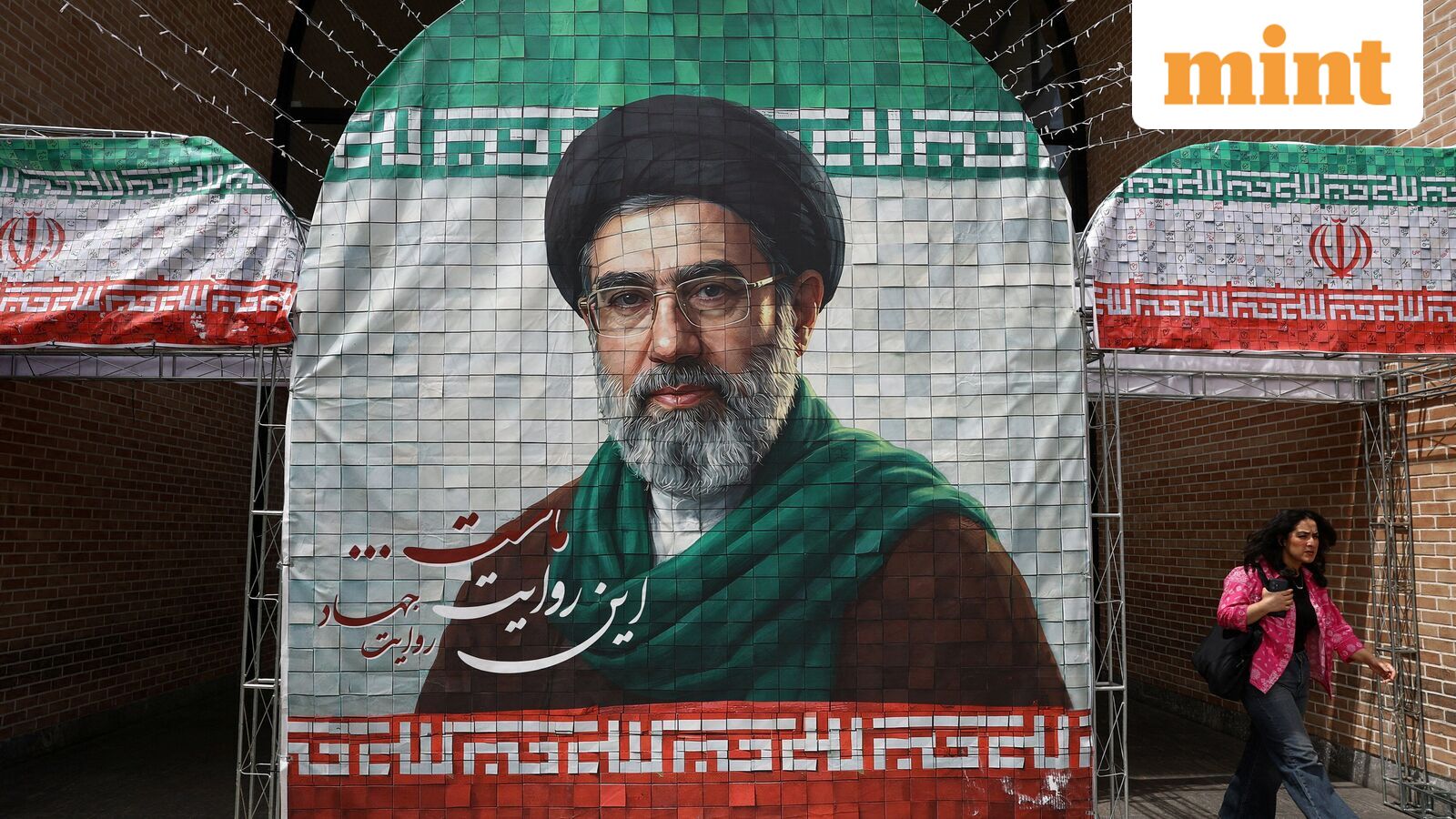
Iranian Supreme Leader Mojtaba Khamenei's health appears to be deteriorating, with increasing concerns within the country's leadership, according to Iranian media reports. His absence from public appearances and lack of public communication have fueled rumors about his condition, with some speculating his health could rapidly decline. This has raised questions about the potential succession following Khamenei, currently the country's Supreme Leader.
Under Iran's Constitution, a three-member council – the President, the head of the judiciary, and a religious jurist from the Guardian Council – assumes the Supreme Leader's duties in the event of his death, resignation, removal, or temporary incapacity. This arrangement aims to maintain continuity while the new leader is chosen.
The selection of the next Supreme Leader is the responsibility of the 88-member Assembly of Experts. If the position becomes vacant, they are expected to appoint a successor. This decision carries significant weight as the Supreme Leader wields extensive control over Iran's armed forces, foreign policy, judiciary, and other key institutions.
Several senior clerics and establishment figures have been mentioned as potential successors to Khamenei. Ayatollah Alireza Arafi, a Guardian Council member with strong connections to Iran's seminary establishment, is one such figure. Ayatollah Hashem Hosseini Bushehri, another Guardian Council member with ties to Qom, and Gholam-Hossein Mohseni-Ejei, the Judiciary Chief, are also potential contenders.
The grandson of the Islamic Republic's founder, Hassan Khomeini, has also been rumored as a possible successor, although his political stance could complicate matters.
The possibility of collective leadership has also been considered. Iran's Constitution allows for a leadership council in the event the Assembly of Experts cannot agree on a single individual. However, such a shift from the traditional system would represent a major change in Iran's political landscape. Additionally, a leadership vacuum could potentially enhance the influence of the Islamic Revolutionary Guard Corps (IRGC), which already exerts significant control over Iran's military, security apparatus, and economy.
Written by urgent.news from Live Mint's reporting — not their text. Machine-written — may contain errors; check the original before relying on it.