Blackmailed and exposed: How migration became a weapon against Europe
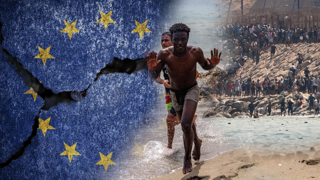
Within days of the mass crossing from Morocco into Ceuta, Spain's North African enclave, it became clear that the crisis would have far-reaching consequences across Europe. Ceuta, along with Melilla, is a unique border in the world: a European territory located on the African continent, surrounded by Morocco. This proximity means that anyone who makes it to the enclave is effectively entering Spanish territory and, by extension, the European Union.
The security forces in Ceuta were stretched to their limits, with reception centers quickly becoming overwhelmed. The situation quickly escalated into a regional crisis, with repercussions that reverberated throughout the continent.
The reason behind the surge remains ambiguous. Initially, it was linked to rumors on social media, smuggling networks, and a misinterpretation of a Spanish court ruling that restricted authorities' authority to expel migrants who arrived by sea. However, suspicions soon arose that Moroccan authorities may have played a deliberate role.
Reports from Spanish media suggested that, contrary to earlier claims, Morocco had not orchestrated the crossing in advance but had instead allowed it to happen. Moroccan border controls were reportedly eased during July, allowing migrants to cross with ease.
According to Ceuta's regional president Juan Jesús Vivas, at least 100 people died during the border rush, and between 3,000 and 5,000 migrants remained in the enclave. EU Migration Commissioner Magnus Brunner called for pressure to be exerted through trade and visa policy against Morocco, while Vivas labeled Morocco as "not a reliable country."
The crisis raises a broader question about the ability of Europe's heavily guarded borders to withstand such an influx, and what happens when the country it relies on fails to prevent it. The border between Morocco and Ceuta has been a point of tension, particularly since the 2015 refugee crisis. In response, the European Union has invested heavily in Morocco, providing over 234 million euros in migration-related projects between 2015 and 2021.
This funding supported border management, efforts against smuggling, and return programs for migrants.
While Europe's strategy is to prevent migrants from reaching European shores, the events in Ceuta demonstrate that once migrants are on European territory, the burden of dealing with them falls on the host country. The EU has invested significant resources in Morocco to prevent and manage migration, but the success of these efforts depends on Morocco's willingness and ability to enforce border controls.
Written by urgent.news from Ynetnews's reporting — not their text. Machine-written — may contain errors; check the original before relying on it.