"Turn off the money tap for Putin": US Senate approves law on new Russia sanctions
One parliamentary chamber has pushed through potentially severe sanctions against Russia - but will the other agree? Shortly after the vote there were new airstrikes on Ukraine.
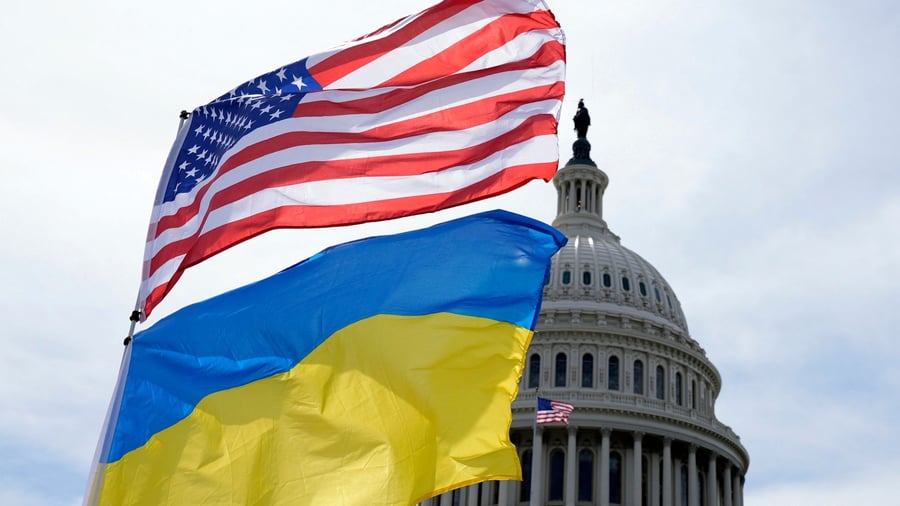
While Russia is exposing the defenselessness of Ukraine's air defense with ever further waves of attacks, a proposed law in the US Parliament is fueling new hopes in Kiev. The US Senate voted after a long tug-of-war for a sanctions law that is intended to put more pressure on Moscow because of its destructive attack war. However, it is uncertain whether the House of Representatives as the second parliamentary chamber will agree.
Russia's military made it clear in the night with another deadly series of attacks that it knows how to take advantage of the ammunition shortage of the Ukrainian air defense in the meantime. In Washington, the senators voted with a clear majority of 86 to 11 votes for the law, which was largely driven forward by the recently deceased US Senator Lindsey Graham.
In addition to direct sanctions against Russian politicians and companies, it is intended to further curb Russian oil and gas exports as the most important source of financing for the attack war against Ukraine.
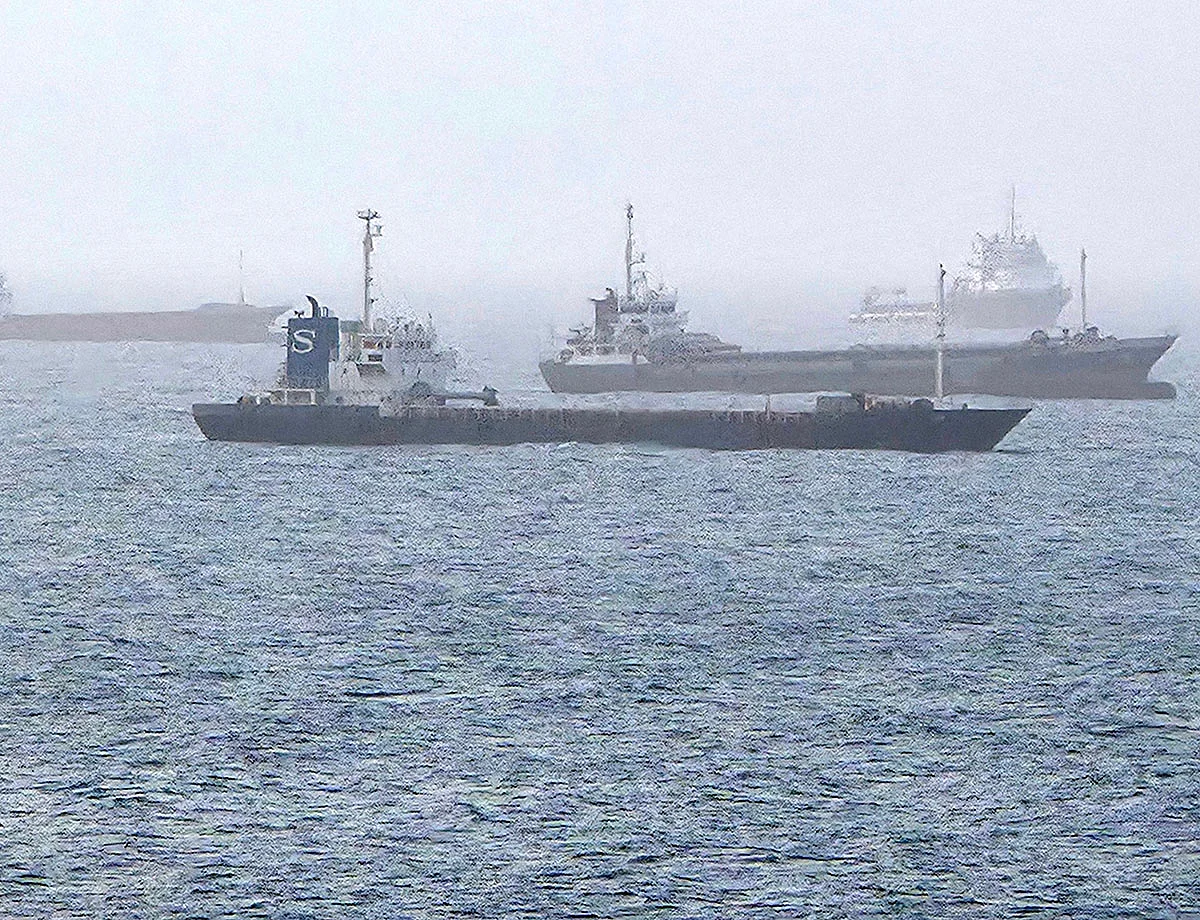
Since the House of Representatives is already on vacation, it is unlikely to vote on it before September. The US government had suspended sanctions on Russian oil deliveries for a while in the past few months in order to counteract price increases on the world market. The trigger was the shortage of oil reserves after the Strait of Hormuz, which is important for exports from the Gulf states, was effectively closed to shipping traffic as a result of the Iran war.
However, with a view to Ukraine's military successes and the recently increasingly destructive counterattacks by the Russians, influential US politicians are calling for a tougher approach against Moscow. Shortly after the vote in the Senate, the Russian military launched a new wave of nighttime attacks on the Kiev region and other Ukrainian cities, in which it used ballistic missiles again, in addition to drones and glide bombs.
The latter can hardly be intercepted without the help of the Patriot air defense produced by the USA - and there is currently a shortage of ammunition for these systems.
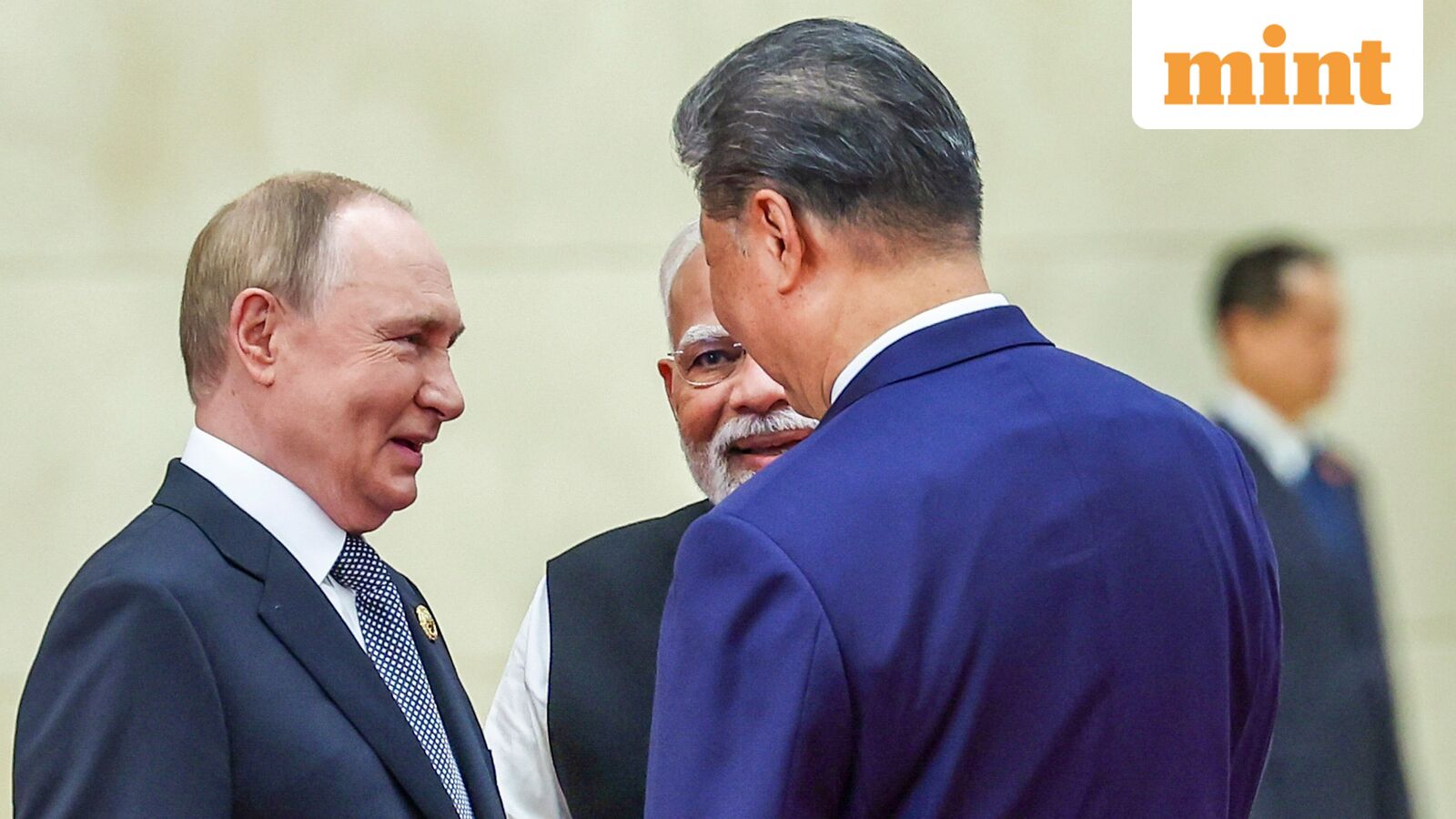
Tariffs of 100 percent against China and India? US President Donald Trump, who is accused of not putting enough pressure on Russia's power apparatus around Kremlin chief Vladimir Putin, has already indicated his support for the law. It would entitle him to impose sanctions on the five largest buyers of Russian energy carriers - as well as those five countries that help Russia most to circumvent energy sanctions. This could further strain US trade relations with China and India, which import large quantities of Russian oil.
In the twelve months before the law actually comes into force, the five largest recipients of Russian energy exports are to be targeted and subject to tariffs of up to 100 percent. The amount can be adjusted over time - depending on whether a country is trying to move away from Russian oil and gas. The five largest importers will be determined anew every 180 days.
So far, Trump has been hesitant to put pressure on China over energy imports from Russia. He had temporarily imposed a 25 percent tariff on goods from India because of purchases of Russian oil. At the same time, there are to be exceptions for countries whose imports account for less than 15 percent of Russian natural gas exports in a 12-month period - and which take measures to reduce these purchases.
"Our European allies are not affected here," emphasized Democratic Senator Richard Blumenthal in mid-July.
Zelensky thanks Senate - MPs criticize law Ukrainian President Volodymyr Zelensky thanked the US Senate. Every signal to support the fastest possible end of the war is important, he wrote on platform X. "Real, strong pressure from the USA and sanctions against Russia are what will help the most."
Ukrainian Foreign Minister Andriy Sybiha called the law an "impressive proof of the global leadership role of the United States". There was no official reaction from Russia at first.
Some Democrats, such as MPs Gregory Meeks and Don Beyer, criticized the law in its current form, giving Trump far-reaching tariff powers. This is also why it is unclear how the vote in the second parliamentary chamber will turn out. The majority in the House of Representatives is extremely narrow, and the important midterm elections in November are making political compromises more difficult.
The agreement on the final text was made last week with Zelensky's visit to Washington and the funeral services for Graham. In the debate before the vote, Republican Senator Katie Britt said: "Today we stand together to show that we will cut off Putin's money tap."
Her Democratic colleague Blumenthal described the signal to Russia as follows: "Today we say to Vladimir Putin: You will not conquer Ukraine."
Again, there are deaths in air raids on Ukraine However, Russia seems to be far from scaling back its attack war. In new air raids on the Ukrainian capital Kiev and its surroundings, at least three people were killed and several injured in the night, according to the authorities. Ukrainian media reported on a series of explosions, with the eastern suburb of Browary being particularly hard hit.
Only in the night of Wednesday, eight people were killed by Russian rocket fire at a train station in Browary. This already showed how overwhelmed the defenders are with the incoming projectiles: According to the Ukrainian Air Force, the Russian army used dozens of ballistic missiles of various types, none of which could be intercepted. Because the Ukrainians have been at war for four years and have managed to defend themselves against Russian attacks, but are running out of ammunition.
Translated by urgent.news. Machine-written — may contain errors; check the original before relying on it.