Millet fortified with iron, zinc does not harm toddlers’ gut health, study finds
Researchers in India and the U.S. tested bio-fortified pearl millet for nine months in Mumbai’s urban slums
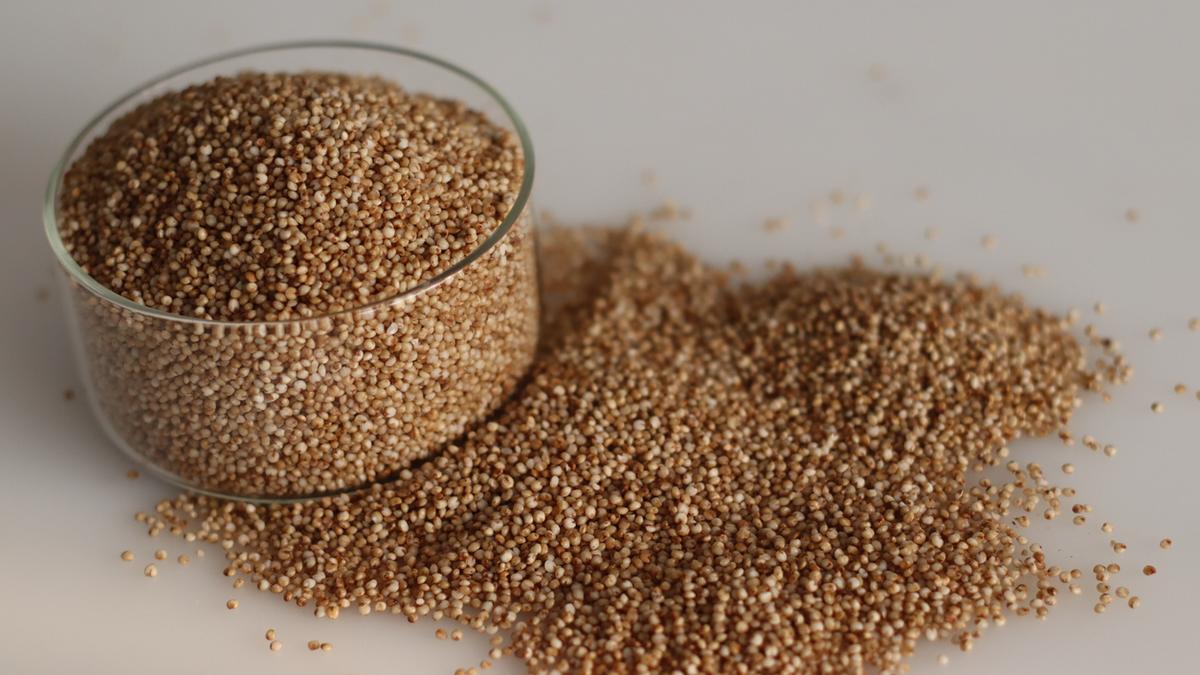
A recent study conducted by researchers from India and the United States has found that iron and zinc-fortified pearl millets do not negatively impact the gut health of toddlers. This discovery could provide a safer alternative to combat iron deficiency in young children. The study, led by Cornell University, examined the effects of bio-fortified millets on the gut microbiome of 223 children aged 12 to 18 months in Mumbai's urban slums.
The millets, containing almost three times the iron and zinc of standard millet, were developed through traditional cross-breeding by local farmers. The researchers observed that the bio-fortified millets positively influenced microbial pathways associated with pathogen fighting and antioxidant metabolism in the toddlers' guts. Moreover, the levels of harmful bacteria were lower in the children consuming the fortified millets compared to the end of the nine-month study.
This study, published in Nature Communications, suggests that bio-fortified crops might offer a self-sustaining approach to improving nutrition and could potentially replace iron supplements, which have been known to disrupt the gut's bacterial ecosystem and cause side effects such as diarrhoea and constipation.
Written by urgent.news from The Hindu - Sci-Tech's reporting — not their text. Machine-written — may contain errors; check the original before relying on it.
This story
This is one outlet's version. Read the fullest account.