Millet fortified with iron, zinc does not harm toddlers’ gut health, study finds
Researchers in India and the U.S. tested bio-fortified pearl millet for nine months in Mumbai’s urban slums
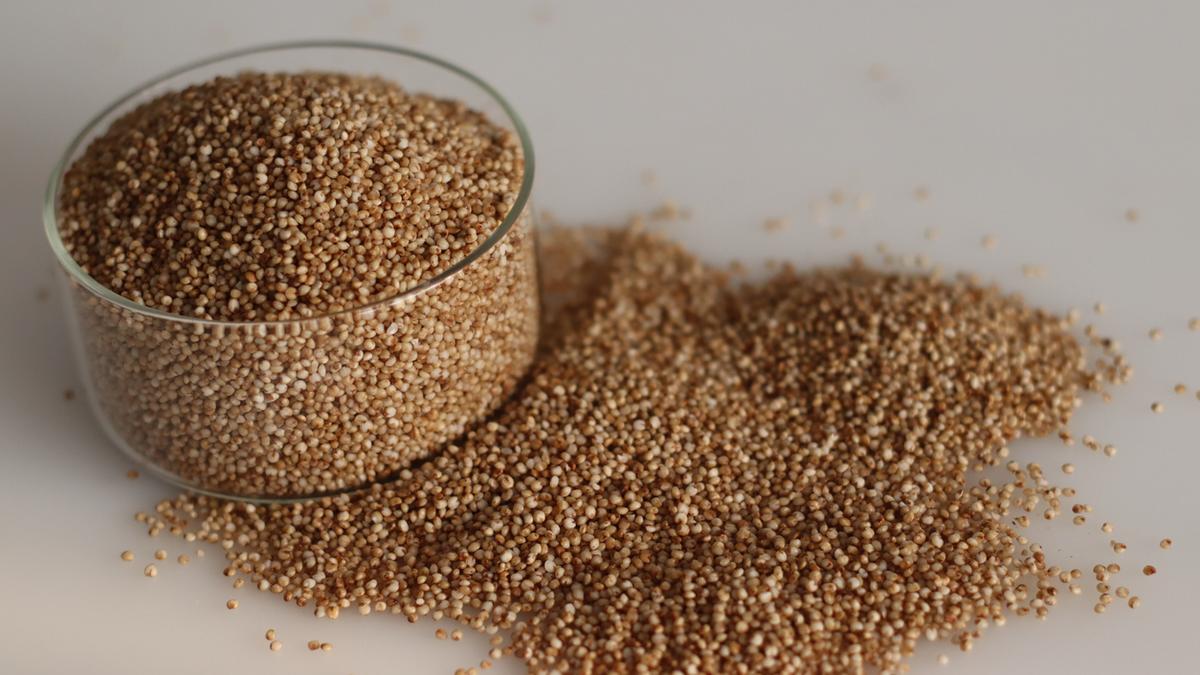
A recent study published in Nature Communications has found that iron- and zinc-fortified pearl millets do not harm the gut health of toddlers, according to researchers from Cornell University and India. The nine-month trial, conducted in Mumbai, India, involved 223 children aged 12 to 18 months and found that the fortified millets did not cause any detectable changes to the developing gut microbiome.
Pearl millet, also known as bajra, is a staple crop in India, with the country producing over 40% of the world's millets. The study, led by Saurabh Mehta from the Cornell University's Joan Klein Jacobs Centre for Precision Nutrition and Health, aimed to provide a food-based strategy to combat iron deficiency in early childhood, which affects roughly one in four people worldwide and can slow brain development and make the body more susceptible to infections.
Unlike iron supplements, which can disrupt the gut's bacterial ecosystem and cause adverse side effects, the fortified millets showed an increase in microbial pathways associated with fighting pathogens and antioxidant metabolism, while lowering markers linked to harmful bacteria.
Written by urgent.news from The Hindu Health's reporting — not their text. Machine-written — may contain errors; check the original before relying on it.