Iran wants to bar US, Israeli ships from Hormuz in deal
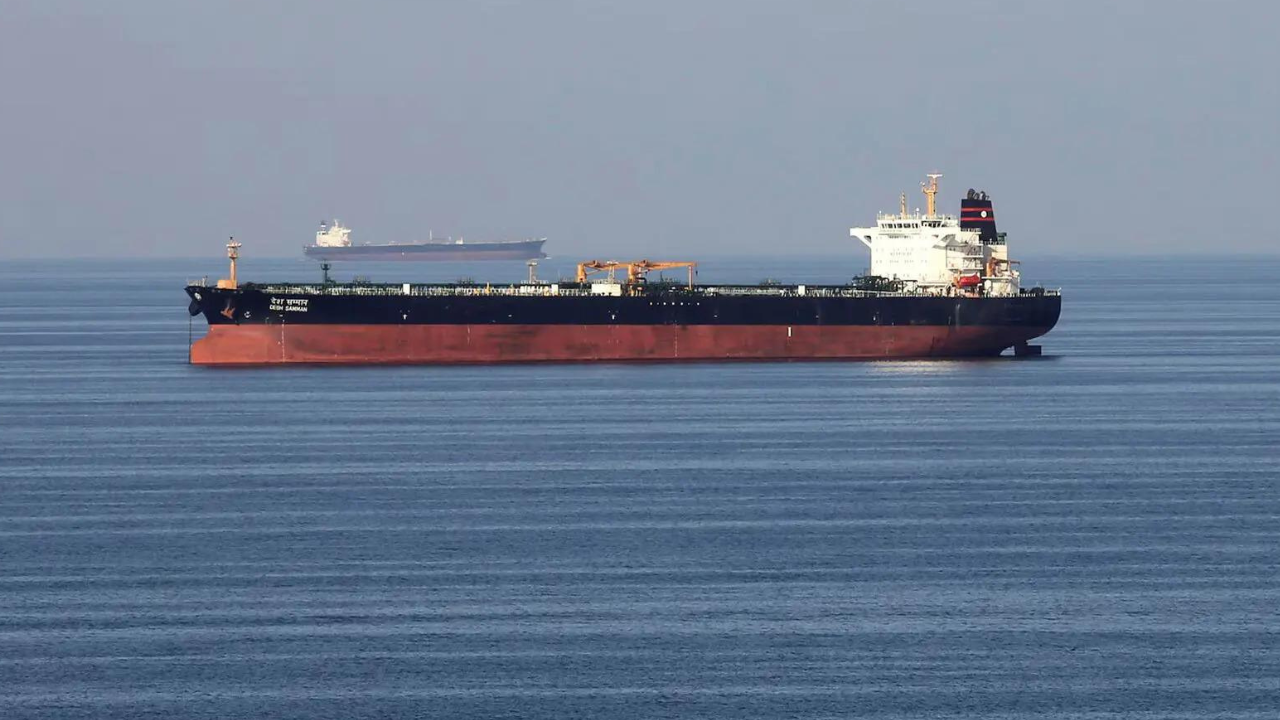
Media reports suggest Iran plans to prohibit US and Israeli ships from traversing the Strait of Hormuz, accompanied by a compensation demand from hostile nations wishing to sail through, according to a proposed Iran-Oman deal aimed at managing the waterway. This agreement has taken center stage in the hopes of reopening Hormuz and restoring energy flows disrupted since the US and Israel launched attacks on Iran in February.
Thomas Warrick, a former state department official now at the Atlantic Council, noted that this stance is likely to face strong opposition in Washington, with both parties now raising their demands rather than making concessions.
President Trump, when questioned during a White House event about the ongoing negotiations, replied, "Moving along good." The extent of Iran's interpretation of a potential ban is uncertain, as vessel ownership and management complexities might lead to some US or Israeli-flagged commercial ships sailing through the Persian Gulf. Trump had previously insisted that American forces had effectively subdued Iran. With the midterm elections approaching, polls have indicated that the war has gained significant unpopularity.
The agreement is currently under review in Iran's parliament, according to the semi-official Fars news agency. The report also mentioned a proposed ban on cargo linked to Israel, along with a fee structure covering services such as insurance and environmental costs. Separately, Fars reported that Iranian naval forces had targeted "hostile targets" at the Strait of Hormuz's entrance, without providing further details.
Both US and Iranian officials have signaled in recent days that a deal on Hormuz is nearing conclusion. Trump had previously stated on Thursday that the US was participating in negotiations but did not confirm whether an agreement had been reached. He expressed the US's control over the vital waterway while noting that others could potentially launch attacks.
The US has maintained its stance on unrestricted transit through Hormuz and broadly advocated for the restoration of the pre-war situation. Tehran, however, asserts that a complete reopening necessitates the lifting of the American maritime blockade. The US has not indicated readiness to revert to the terms agreed upon in the June accord, which ultimately failed to materialize within weeks.
This initial deal encompassed waiving oil sanctions on Iran. Fars, citing an informed source at Iran's foreign ministry, stated that the draft agreement with Oman proposes Iranian control over vessel entry into Hormuz, with joint oversight of the exit by both countries.
Written by urgent.news from Times of India's reporting — not their text. Machine-written — may contain errors; check the original before relying on it.
This story
This is one outlet's version. Read the fullest account.
- Iran seeks to bar US ships as Hormuz deal with Oman advances scmp.com
- Oil gains on pending Iran-Oman Hormuz deal dawn.com
- U.S. expects Strait of Hormuz deal soon as Sunni powers sign defense pact hellenicshippingnews.com
- Iran Wants to Bar US, Israeli Ships From Hormuz in Deal bloomberg.com
- Crude oil gains as Iran plans to ban US, Israeli ships from Hormuz transit thehindubusinessline.com
- The emerging deal to reopen the Strait of Hormuz reportedly recognizes Iran’s control—and the U.S. may have to accept it fortune.com
- Iran says Hormuz deal close amid attack on UAE tanker seekingalpha.com