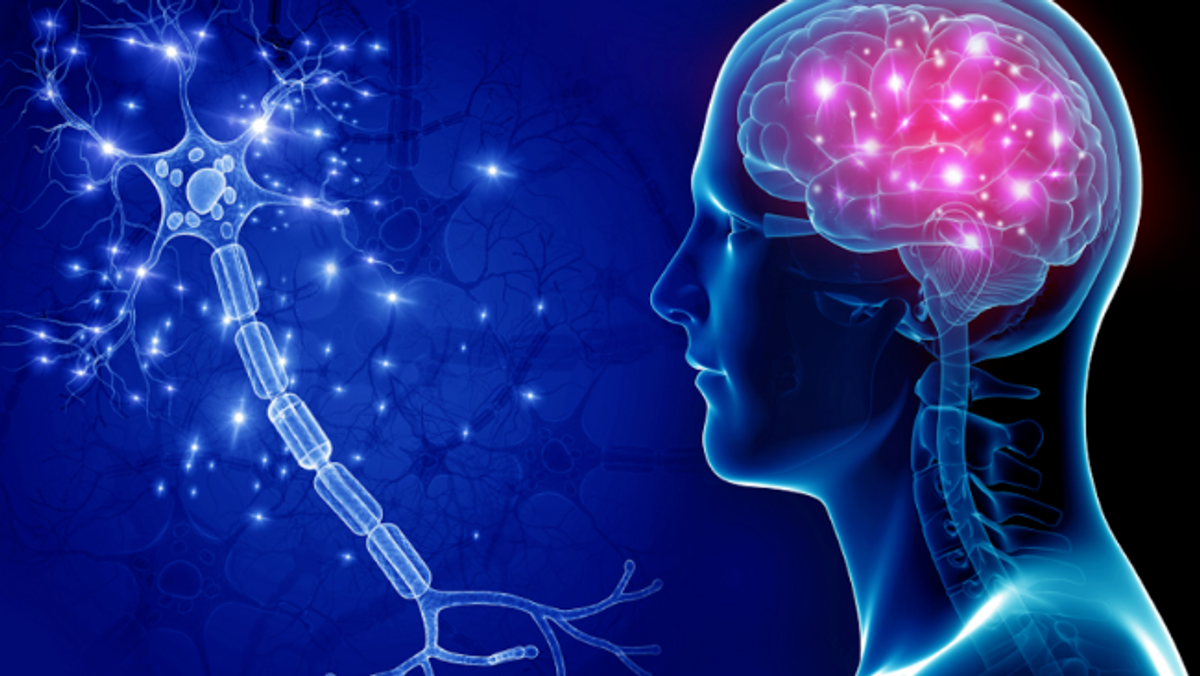
Green tea compound shows promise in protecting the brain from obesity-related damage
A compound found in green tea might protect the brain from memory loss and structural damage caused by obesity. New research shows the compound reduces inflammation and triggers a cellular recycling process that preserves brain volume.
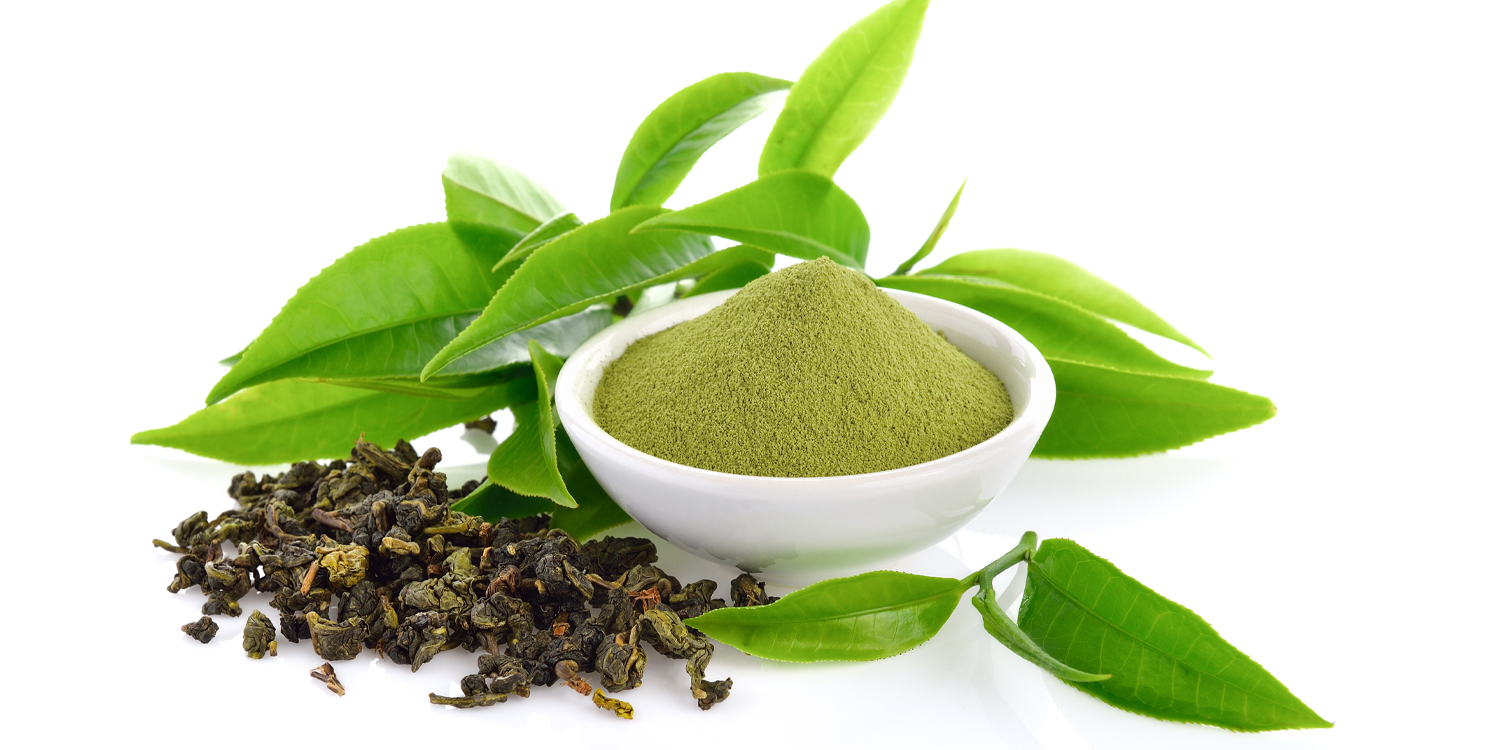
Obesity can cause damage to the hippocampus, a brain region crucial for memory and learning. A new study, published in npj Science of Food, suggests that a compound in green tea may help protect this brain tissue. The compound, epigallocatechin-3-gallate (EGCG), reduces inflammation and promotes cellular cleanup.
Researchers analyzed brain scans and dietary surveys from 18,325 UK Biobank participants. They found that obese individuals who did not consume green tea had smaller hippocampi compared to those with normal body weights. When looking at obese participants, those who drank more green tea tended to have larger hippocampi, indicating a potential dose-dependent relationship.
To test EGCG's direct protective effects, researchers conducted a small study using mice. They fed one group standard diet and another high-fat diet to induce obesity. After eight weeks, obese mice were divided into two groups: one received a high-fat diet alone, and the other received a high-fat diet plus daily EGCG doses. The high-fat diet caused weight gain and insulin resistance in the untreated mice.
However, the treated mice showed lower body weights, better insulin sensitivity, and maintained normal hippocampal volume, similar to healthy mice on a standard diet.
EGCG-treated mice also performed better on memory tests, navigating mazes and interacting with new objects just as well as healthy mice. Brain tissue analysis revealed that EGCG reversed inflammation, restored normal insulin signaling, and restarted the cellular recycling process in obese mice. The treated mice also had higher levels of proteins that maintain the physical connections between brain cells.
While the human portion of the study relied on observational data, suggesting green tea may correlate with larger hippocampal volumes, the animal experiments provide strong evidence that EGCG can protect the brain from obesity-related damage. Further research is needed to confirm these findings and explore the potential of green tea in preventing cognitive decline associated with obesity.
Written by urgent.news from PsyPost's reporting — not their text. Machine-written — may contain errors; check the original before relying on it.