Carbohydrates played key role in human brain evolution, study finds
A joint scientific study suggests carbohydrates were crucial in fueling the growth and energy needs of the human brain over millions of years.
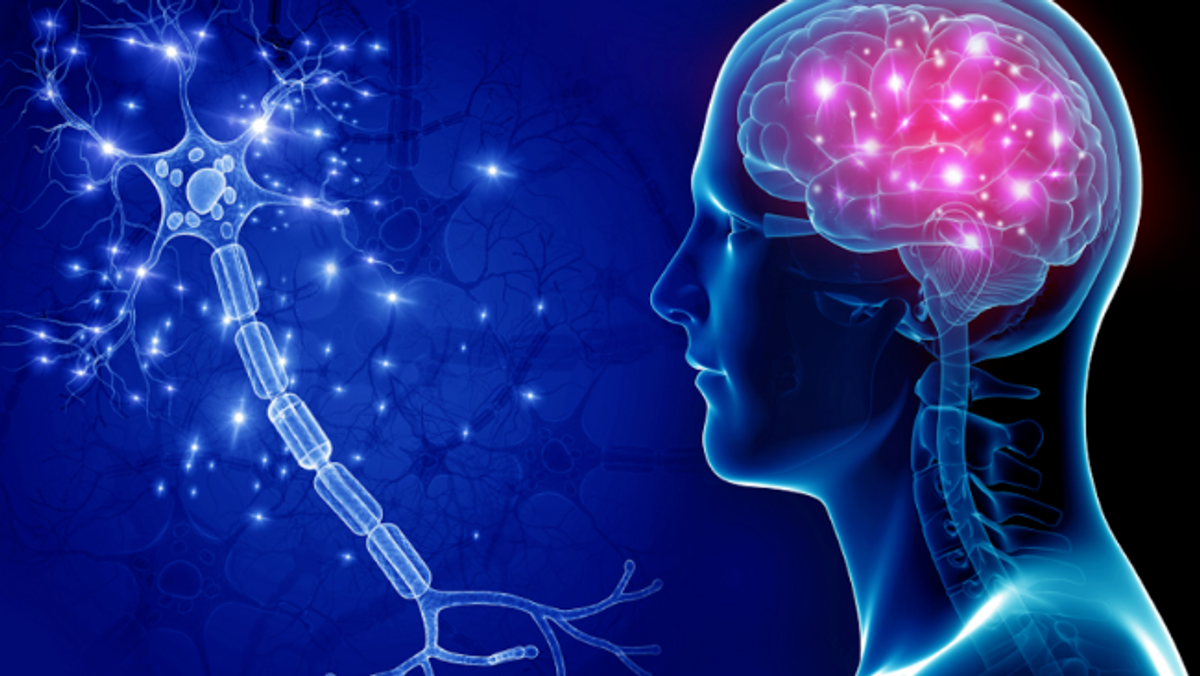
Researchers from the University of Sydney and the University of Glasgow have discovered that carbohydrates played a pivotal role in shaping the evolution and expansion of the human brain over millions of years. Their findings, published in Science magazine, suggest that natural sugars and starchy foods were essential for providing the energy needed for this development.
The study reveals that the human brain's size increased nearly fivefold over approximately four million years, growing from about 300 grams in Australopithecus afarensis to around 1.5 kilograms in modern Homo sapiens. This dramatic increase in brain size necessitated a consistent supply of energy, with glucose serving as the primary energy source.
This discovery offers new insights into the development of advanced cognitive abilities, complementing existing theories that emphasize the role of meat and animal-based foods. By analyzing fossilized teeth, ancient isotopes, changes related to recognizing ripe fruits, and genetic evidence, the researchers were able to estimate that an adult human requires between 150 and 250 grams of glucose daily to support the brain and various organs and tissues.
During early stages of human evolution, fruits and honey likely served as primary sources of carbohydrates, while the cooking of starchy foods like roots and tubers became increasingly important as humans mastered the use of fire. The study underscores the importance of carbohydrate-rich, energy-dense foods in the history of human brain evolution, alongside other dietary and environmental changes.
Written by urgent.news from Ajel English's reporting — not their text. Machine-written — may contain errors; check the original before relying on it.