California may fine influencers who hide political campaign payments
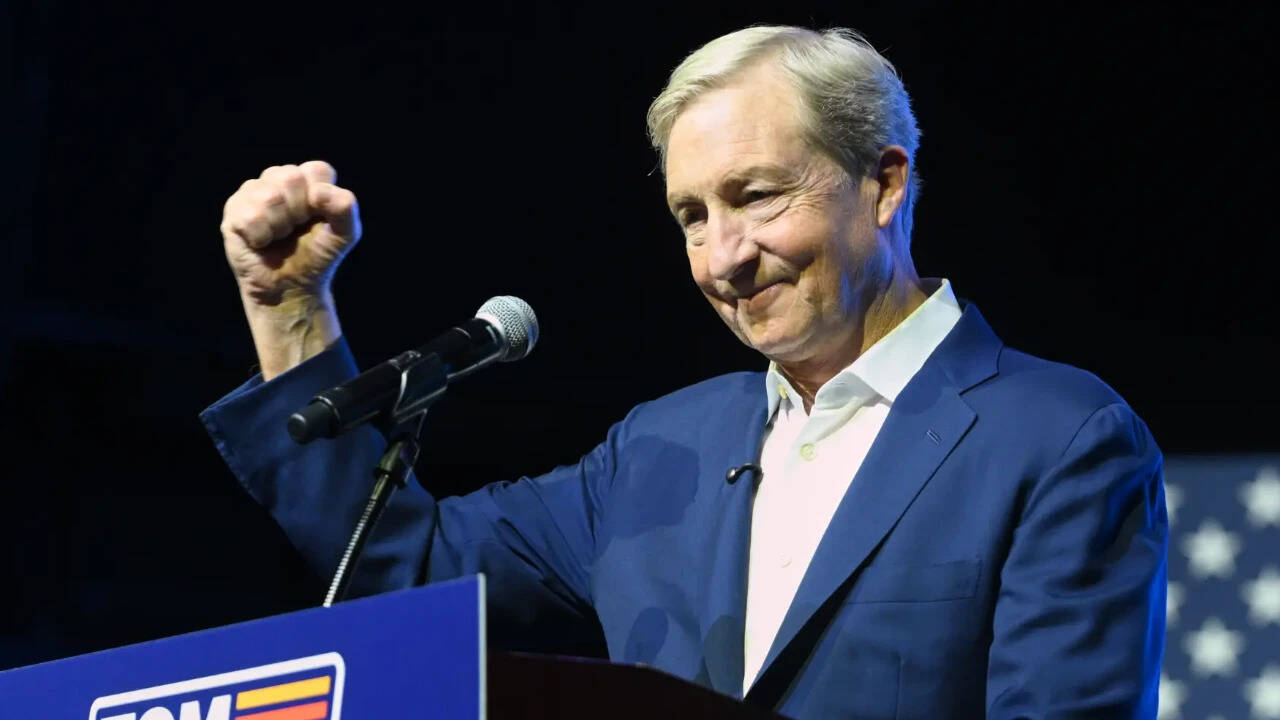
California is contemplating enforcement of up to $5,000 fines for social media influencers who do not disclose payments from political campaigns, as candidates and parties increasingly enlist the help of such creators to connect with voters ahead of the 2026 midterm elections and the 2028 presidential race.
Shaka Smith, a Los Angeles-based influencer with over 700,000 followers, endorsed Democratic gubernatorial candidate Tom Steyer after receiving payment from his campaign. Smith made it clear at the beginning of his video endorsement that it was an advertisement and expressed his support for Steyer's policies on healthcare, housing, and combating misinformation. Smith's caption also mentioned the campaign contribution.
California is one of two states, alongside Texas, that requires creators to disclose when they have received payment for political posts. Smaller creators, often with fewer than 100,000 followers, are being approached by campaigns to reach specific demographics. Mike Nellis, a former Democratic strategist, stated that campaigns must engage with these influencers or risk falling behind in voter outreach.
The debate on disclosure intensified following instances of paid political content not being clearly identified. For example, in 2022, John Fetterman's campaign paid "Jersey Shore" star Nicole "Snooki" Polizzi to create a video mocking his Republican opponent, and in 2023, creators were paid by a conservative-affiliated influencer marketing agency to defend Texas Attorney General Ken Paxton after his impeachment, with the payments not clearly disclosed in either case.
Steyer, a billionaire backing his unsuccessful gubernatorial campaign, also faced scrutiny over payments to influencers, even though many were transparent about receiving compensation. California's campaign finance watchdog is investigating cases where creators allegedly failed to disclose payments. The state's disclosure law, enacted in 2023, allows the watchdog to request a court order compelling creators to reveal payments, though the process can take several months.
Democratic Assemblymember Marc Berman proposed legislation to enable the state's Fair Political Practices Commission to directly fine creators and political committees for violations, with penalties potentially reaching $5,000 per violation. Senator Adam Schiff has introduced federal legislation, though it has not yet been voted on, while the Federal Election Commission is facing calls for national disclosure rules.
Texas has adopted a similar disclosure rule since 2024, and New York lawmakers are considering comparable legislation, with similar proposals in Utah and Georgia having failed in recent years.
The stance on proposed penalties is divided among creators. While some, like Smith, believe disclosure is necessary and that it can influence followers to investigate candidates, others like Dustin Torreverde, a Southern California creator, express concerns about the financial burden of potential legal costs for smaller creators. Adina Flores, a libertarian creator, supports disclosure and penalties, noting that creators may accept payments without thoroughly evaluating candidates beforehand.
Written by urgent.news from Times of India's reporting — not their text. Machine-written — may contain errors; check the original before relying on it.