Budgets Without Results: Nigeria’s Implementation Crisis
By Ugo Inyama Nigeria knows how to budget. We know how to announce trillions, make grand speeches and celebrate appropriation figures as though development has already happened. Every year, the
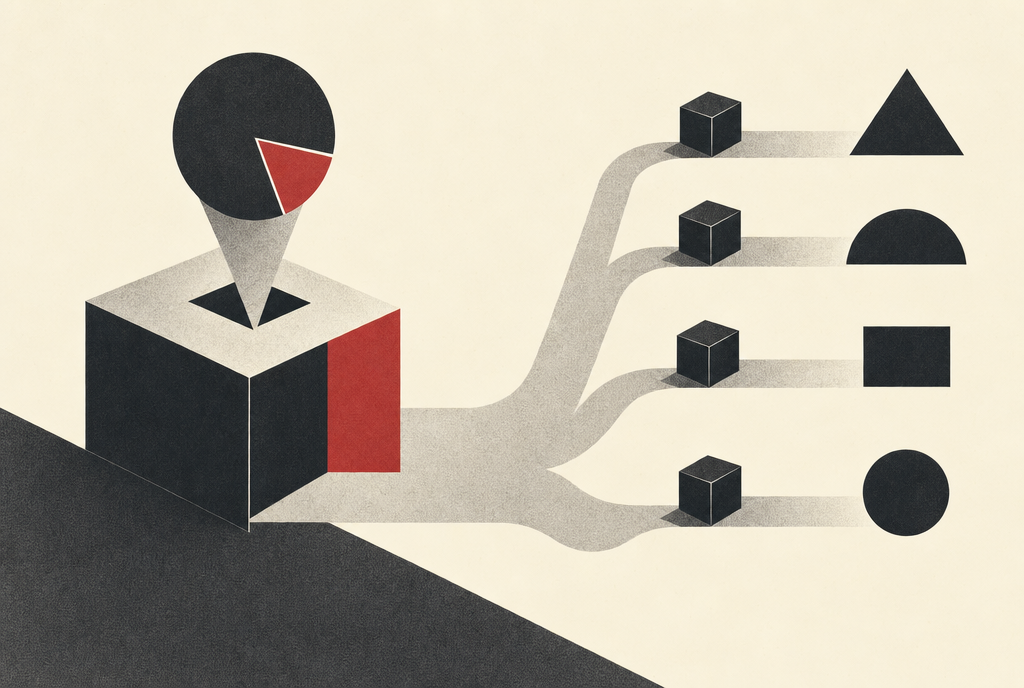
Nigeria's annual budgeting process is often characterized by grand announcements and impressive figures, but the translation of these promises into tangible development remains elusive. Every year, the nation receives more ambitious budget proposals, but the impact of these budgets on the ground is often negligible. With a capital budget of ₦68.32 trillion for 2026, large portions of the funds remain unspent, and the majority of projects remain unfinished.
The government's focus on the size of its budget and the number of projects announced has become more of a political game than a genuine commitment to development. Accountability for budget implementation is lacking, with ministries and agencies failing to provide regular updates on their progress. The National Assembly must also step up its role in monitoring and ensuring that allocated funds are effectively utilized.
As Nigeria stands at the halfway mark of the 2026 fiscal year, the pressing question remains: where is the proof of implementation?
Written by urgent.news from This Day's reporting — not their text. Machine-written — may contain errors; check the original before relying on it.