What a water-wise city would look like – and how India can get there
Durban and Bhubaneswar have protected water access for low-income households. Las Vegas and Bengaluru use higher tariffs to discourage excessive consumption. Seoul and Guwahati have strengthened planning rules to protect floodplains. Windhoek and Chennai show that treated wastewater can become a reliable source of water
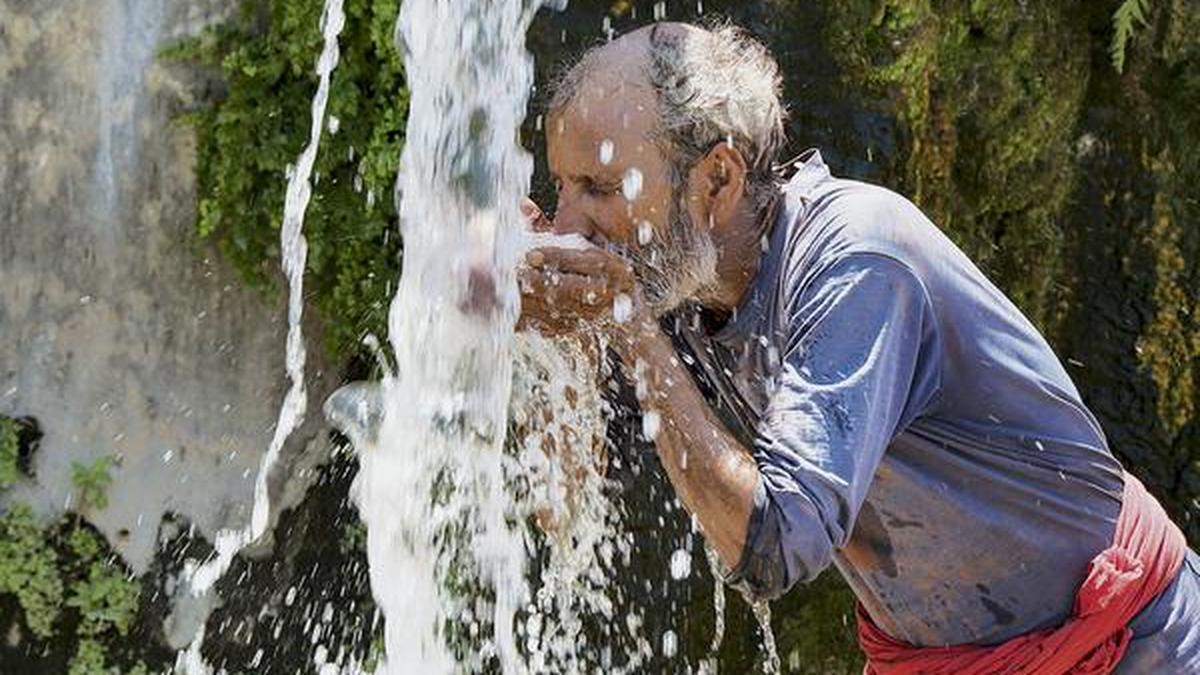
India is facing a critical water crisis that will intensify as more people move to urban areas. To tackle this challenge, cities need to become more water-wise by focusing on their natural resources like rivers, lakes, and aquifers. This vision is already taking shape in places like Melbourne and Singapore, where innovative solutions are being implemented.
For Indian cities, the key is to start planning with water in mind, rather than treating it as an afterthought in projects like transport and housing. Incorporating water structures like rivers, lakes, and detention basins into zoning plans can help optimize local resources and reduce costs. Moving towards local water security is crucial, meaning cities should reduce their dependence on distant, vulnerable water sources.
Instead, diversifying water supplies through captured rainwater, recycled wastewater, and groundwater management can enhance long-term resilience. Setting time-bound targets for water reuse and recharge, backed by incentives and mandates, is essential. Requiring a 'triple test' for major water projects – evaluating demand reduction, full life-cycle costs, and environmental impacts – can ensure more sustainable investments.
Consolidating responsibilities for the entire urban water cycle under accountable utilities, with stable leadership and professional staffing, can bring about necessary reforms. Strengthening regulators to set equitable service standards and enforce transparent data disclosure can also improve performance. Most importantly, fostering social license through community-led approaches and fair pricing policies can ensure the widespread adoption of these reforms.
Written by urgent.news from The Hindu's reporting — not their text. Machine-written — may contain errors; check the original before relying on it.