Wildfire-ravaged habitats in Wales could take centuries to recover, environmentalists say
Habitats belonging to snakes and rare moths have been destroyed after the wildfires this summer.
Natural Resources Wales (NRW) warns that it could take centuries for Wales' wildfire-ravaged habitats to recover. Nick Thomas, from NRW, explains that if soil in peat-rich, upland areas is incinerated, vegetation growth is slow, at about a millimeter per year. Thomas predicts 2026 could be the worst year for wildfires Wales has ever seen. The wildfires have caused extensive damage to natural habitats and animal life, and may also heighten flood risks by no longer acting as a sponge to hold water on high ground.
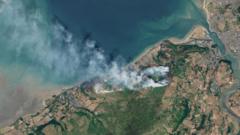
This summer, Wales has witnessed numerous wildfires, including a major incident and the evacuation of a village in Conwy county. The Rhinogydd mountain range in Gwynedd, home to a National Nature Reserve and Special Area of Conservation, experienced a blaze that burned for nearly two weeks and affected over 2,000 acres. A fire in Blaenavon, Torfaen, was so strong that its smoke could be smelled as far away as Cardiff.
While some areas may recover within a couple of years, Thomas expects this year to be the worst for wildfires in Wales, possibly ever. The extent of recovery depends on how deep the fire penetrates the soil. If the fire burns through and incinerates the soil, it could take hundreds of years for vegetation to return to its previous state.
Thomas cites a 2018 wildfire on Mynydd Llantysilio near Llangollen that incinerated about 10cm (4in) of peat in some areas, and even eight years later, large patches of heather have not yet returned.
Thomas attributes the severity of the wildfires to climate change, with the combination of moorland, heathland, and forest being particularly vulnerable to fire. He urges for more proactive measures to manage these fuels and reduce the risk of fires. The public's role in prevention is also emphasized, as most wildfires are started by human activities. The RSPB Cymru, a bird protection charity, expresses deep concern over the impact on breeding birds and fragile habitats that can take years to recover.
Warden of Pensychnant Conservation Centre, Julian Thompson, describes the wildfire's impact, noting that the soil has turned to dust, losing all organic matter down to the rock. Rare moths unique to the Snowdonia and Meirionyddshire mountains will have been destroyed as their habitat is diminished. The community is left to deal with the tragic loss of wildlife, and experts stress the need to respect and protect the countryside, taking action to prevent such catastrophes from recurring.
Written by urgent.news from BBC News's reporting — not their text. Machine-written — may contain errors; check the original before relying on it.
This story
This is one outlet's version. Read the fullest account.