Stop fighting the climate: Expert-approved tips on how to plant for hotter summers
I asked gardeners why their favorite plants are no longer fit for hotter summers.
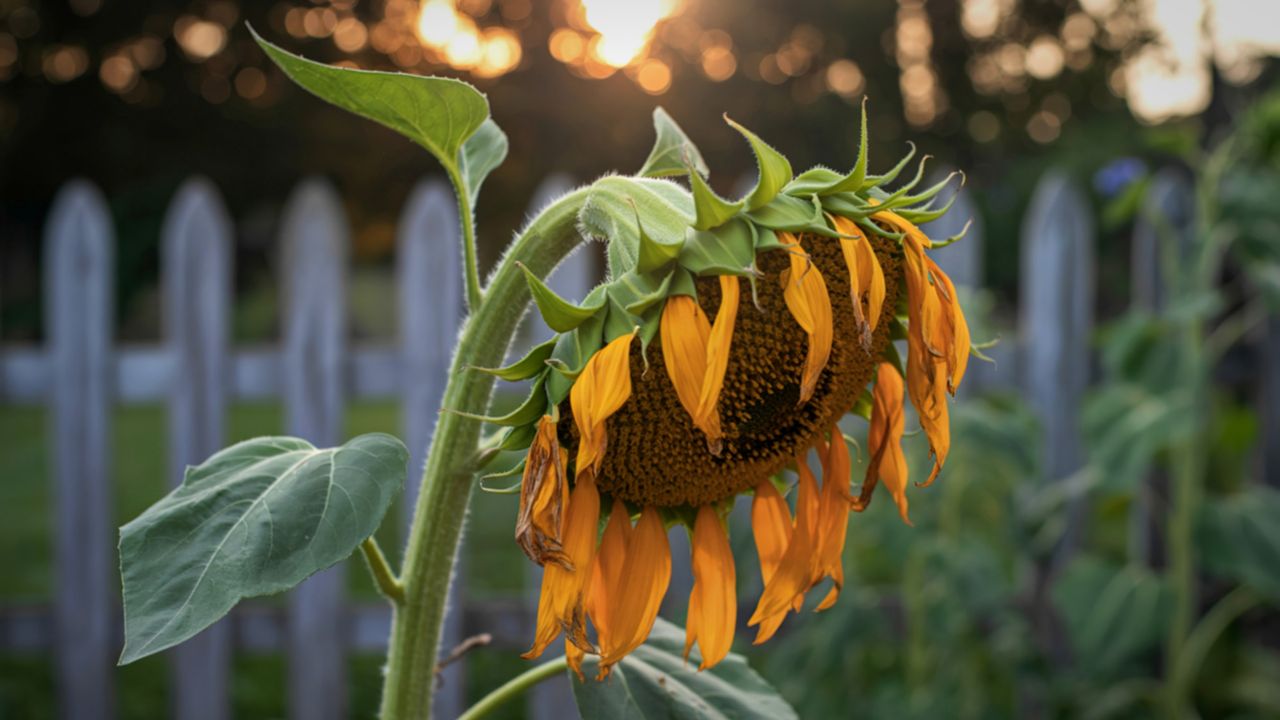
As gardeners face the harsh reality of climate change, it is crucial to adapt and make changes to their gardens. Elizabeth Waddington, a garden designer and writer, explains that summers will be hotter and drier while winters will become milder and wetter. Weather extremes are becoming increasingly common, with droughts, floods, and extreme rainfall becoming the norm.
Sharon Yiesla, a Plant Knowledge Specialist, emphasizes that everything in our gardens will be affected, from plant flowering to watering needs and gardening activities.
One of the first steps in adapting to climate change is understanding that traditional garden favorites may not be able to withstand the changing temperature and rainfall patterns. For example, hydrangeas may struggle with excessive heat, and tomatoes may fail to produce fruit when temperatures exceed 84°F (28°C). John Cho, founder of Mr Cozy Plant, recommends exploring drought- and heat-resistant alternatives to maintain a resilient ecosystem.
To effectively adapt to the changing climate, there are several key factors to consider when planning your planting scheme:
1. Prioritize soil health: Kim Stoddart, founder of EcoBeneficial, advises starting with soil health. Implementing a no-till method and regular mulching with materials like grass clippings, leaves, wood chips, or compost can help retain water and protect soil from drying out.
2. Water wisely: Deep and infrequent watering encourages plants to develop deep roots, making them more resilient to drought conditions. Avoid overwatering and excessive feeding, as this can create plants with shallower roots and reduced resilience.
3. Choose the right plant for the right place: Selecting plants that are well-suited to your local climate and soil conditions is crucial. Consider plants that are drought- and heat-resistant, as these will be better equipped to handle the changing weather patterns.
4. Manage water efficiently: Implementing smart watering practices, such as using mulch to retain moisture and avoiding overwatering, can help ensure your plants thrive in the face of changing climate conditions.
5. Foster biodiversity: Encouraging biodiversity in your garden, both in terms of plants and wildlife, can help minimize risks and create more stable and secure gardening systems.
By considering these factors and making thoughtful adjustments to your garden, you can create a resilient ecosystem capable of withstanding the challenges posed by climate change.
Written by urgent.news from Tom's Guide's reporting — not their text. Machine-written — may contain errors; check the original before relying on it.