Trump imposes 15% tariff on key chip material to counter China
The move aims to counter Chinese producers, which hold a monopoly in the global polysilicon production.
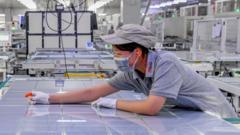
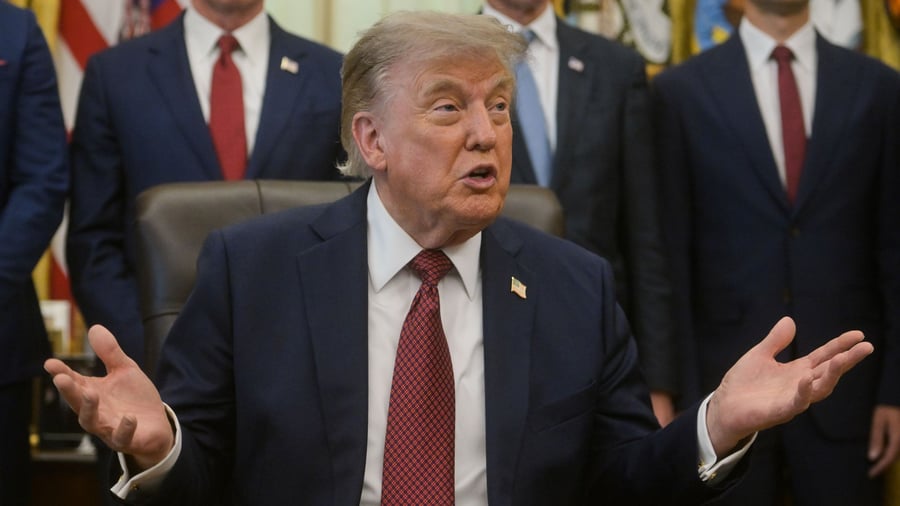
On Thursday, US President Donald Trump signed an executive order imposing a 15% tariff on imported products containing polysilicon, a crucial component in semiconductors and solar panels. This action stems from a national security investigation into the overseas production of the material. The primary aim of the tariff is to protect US manufacturers who are facing mounting competition from China's burgeoning chip industry, a significant point of contention between the two economic powerhouses.
Beijing has expressed concerns, stating that the measure "seriously disrupts" trade between the two nations and that they will counter this protectionist move with their own actions. Trump cited recommendations from Secretary of Commerce Howard Lutnick in setting the minimum import prices alongside the 15% tariff on polysilicon and related imports.
The new measures are scheduled to take effect in December. In addition to the tariff, the US government plans to provide incentives to stimulate domestic production. Over the years, the US has watched foreign firms erode its polysilicon sector producers, a trend that has seen US share in global polysilicon production dwindle from 50% in 2005 to less than 2% in 2024, according to Trump.
China's dominance in polysilicon production is so profound that it effectively holds a monopoly in the market. The administration's decision is expected to favor domestic producers such as Hemlock Semiconductor and Wacker Chemie, which are leading polysilicon producers in the US. The push for polysilicon production is crucial in the ongoing technological race between the US and China for artificial intelligence (AI) development.
The two nations have been engaged in a series of tariff wars, which have been on pause since May 2025. Analysts from China's Global Times have pointed out that this tariff is part of a broader strategy to curb China's influence in critical technology supply chains. This move follows other restrictions on imports of drones, humanoid robots, and other tech products from China.
In response, China has announced a suite of countermeasures, including tighter export controls on drones and a national security review of imported printers and copiers.
Written by urgent.news from BBC World's reporting — not their text. Machine-written — may contain errors; check the original before relying on it.
This story
This is one outlet's version. Read the fullest account.
- The White House imposes a series of price floors and a 15% tariff on products made from polysilicon, a chip raw material primarily produced by China (Reuters) reuters.com
- Trump imposes 15% tariff on key chip material to counter China bbc.co.uk
- SK hynix weighs investor for $3b China chip site techinasia.com