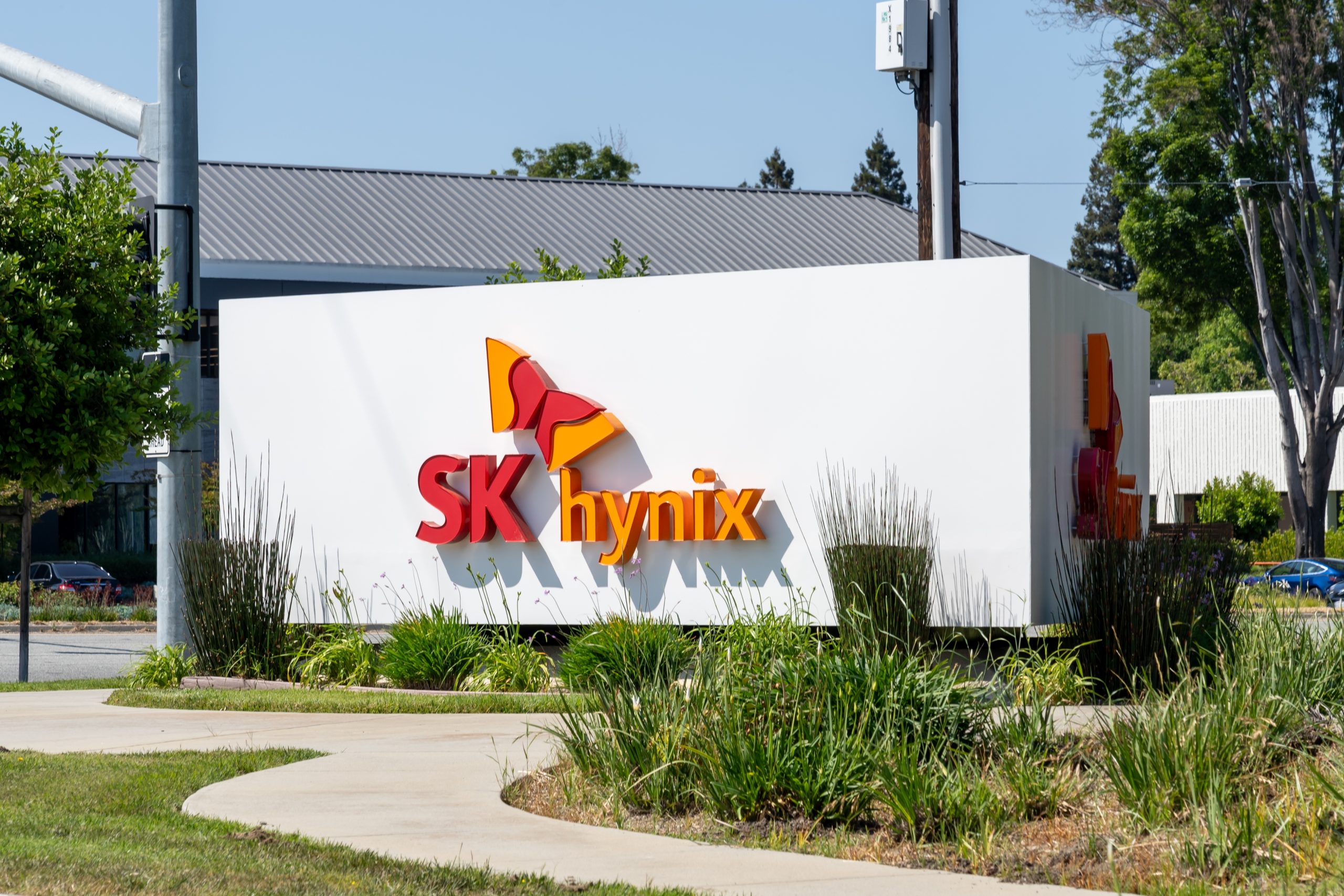
SK hynix weighs investor for $3b China chip site
The Chongqing facility, established in 2013, packages and tests DRAM and NAND chips.
On Thursday, US President Donald Trump signed an executive order imposing a 15% tariff on imported products made from polysilicon, a vital component used in semiconductors and solar panels. This move was prompted by a national security investigation into the production of the material overseas. The decision aims to shield US manufacturers from the growing competition posed by China's chip industry, a significant point of contention between the world's two largest economies.
The Chinese embassy in Washington expressed concern, stating that the tariff "seriously disrupts" trade between the two nations. Beijing has vowed to retaliate to protect its companies, accusing Washington of abusing state power to target Chinese businesses. Protectionism, according to the embassy, will not enhance US competitiveness.
Trump cited recommendations from Secretary of Commerce Howard Lutnick for setting minimum import prices alongside the tariff. These measures are set to take effect in December. In addition to the tariff, the US will provide incentives to stimulate domestic production.
Historically, the US has permitted foreign firms to undermine domestic producers in the polysilicon sector. Trump, a proponent of using tariffs to safeguard American jobs and stimulate the economy, highlighted that the US share of global polysilicon production has dwindled from 50% in 2005 to under 2% in 2024 due to imports. China exercises a near-monopoly over polysilicon production.
The order is expected to favor Hemlock Semiconductor and Wacker Chemie, the leading US producers of the material. The semiconductor industry's race between the US and China for artificial intelligence (AI) development is central. The US and China have been embroiled in a series of tit-for-tat tariffs, which were temporarily halted since May 2025.
Experts quoted by the Chinese state media outlet Global Times described the new tariff as the latest escalation in Washington's attempts to curb China's influence in critical technology supply chains. This follows other US restrictions on imports of drones, humanoid robots, and other tech products from China. In retaliation, China announced stricter export controls on drones and initiated a national security review of imported printers and copiers.
Written by urgent.news from BBC Business's reporting — not their text. Machine-written — may contain errors; check the original before relying on it.
This story
This is one outlet's version. Read the fullest account.