The desert's ripple effect: The Western Negev is quietly reshaping Israel-Africa ties - opinion
A high-level strategic delegation from the Democratic Republic of the Congo arrived at SouthUp, the non-profit technology incubator rooted in the Shaar Hanegev region.

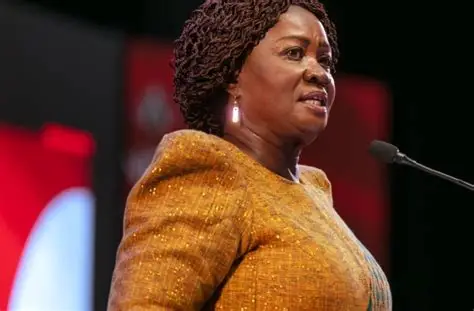
In the heart of Israel’s Western Negev, a quiet transformation is reshaping ties between Israel and Africa. I witnessed this firsthand as I stood amidst watermelon fields and the labs of SouthUp, a non-profit technology incubator in the Shaar Hanegev region. On July 29, 2026, a high-level delegation from the Democratic Republic of the Congo (DRC) visited SouthUp, led by Her Excellency Madame Thérèse Kayikwamba Wagner, the DRC Foreign Minister.
Organized through the efforts of Ambassador Leo Vinovezky, Israel's envoy to Angola, the DRC, Mozambique, and São Tomé and Príncipe, the visit highlighted a strategic partnership between Israel and Africa.
The connection between Israel and the DRC is not coincidental but rooted in Israel's history of fostering innovation in the periphery. Shahar Belkin, a driving force behind SouthUp, explained how 21 out of 23 companies that initially arrived established a thriving presence, with a new facility, OfirTech, set to house 60 more companies.
This growth did not stem from government intervention but from the determination of local entrepreneurs to rebuild and expand their ventures, drawing parallels to the resilience of kibbutz founders.
These entrepreneurs embody the same spirit as their predecessors who initially settled the region despite harsh conditions. In Israel, the stigma of failing at a start-up is minimal; it is viewed as a learning experience rather than a failure. This mindset creates an environment where failure is a stepping stone to breakthroughs, aligning with the African delegation's understanding that success often requires multiple attempts.
During a lunch with the delegation, the minister, Madame Wagner, emphasized the importance of risk-taking in innovation. She noted that without the willingness to fail, breakthroughs are less likely to occur. This insight resonated deeply with the founders, who understand that success in both agriculture and technology often hinges on perseverance and learning from failures.
Madame Wagner, who had previously visited Israel and was on her third visit, brought a ministerial perspective to the table. Unlike typical tourists, she was here to take notes and understand the specifics of the partnership. The delegation visited three start-ups at SouthUp, each addressing critical infrastructure gaps in the DRC's agricultural sector.
Biotization, led by CEO Pninit Gilboa Tal, CTO Yossi Cohen, and CSO Dr. Yulimar Castro Molina, uses biological technology to protect crops throughout the supply chain, reducing post-harvest waste from over 30% to under 1%. Fungit BioSolutions, utilizing fungal strains from the Dead Sea region, provides crops with enhanced resilience to extreme conditions. BioTip developed smart sensors for real-time monitoring of perishable products in the cold chain, preventing spoilage before it reaches market.
These innovations directly tackle the logistical challenges the DRC faces, such as inadequate post-harvest storage and inefficient supply chains. By leveraging biological solutions and technology, these start-ups offer practical, effective, and scalable answers to the problems faced by the DRC. The minister's enthusiastic reception to the program and her desire to conduct a week-long immersion underscore the significance of this visit.
This exchange illustrates how two nations separated by vast distances share similar challenges—bridging the gap between potential and delivery. The unique ecosystem of the Western Negev, with its fertile land and innovative spirit, now plays a pivotal role in fostering these connections. As Madame Wagner remarked, this partnership is not just about improving agriculture but about laying the foundation for a more prosperous and resilient future for both Israel and Africa.
Written by urgent.news from Jerusalem Post's reporting — not their text. Machine-written — may contain errors; check the original before relying on it.