Shuttling above Cairo, Africa's first monorail is up and running - but will it prove to be $4.5bn well spent?
The stations gleam. Metallic criss-cross beams frame the platforms in a style that resembles Dubai or Singapore more than the Cairo one steps out of at street level, and the concourses are kept polished to a shine that Cairo's decades-old metro can only recall from its opening year in 1987. The trains, driverless and air-conditioned, glide in on precast concrete beams every six to eight minutes.…
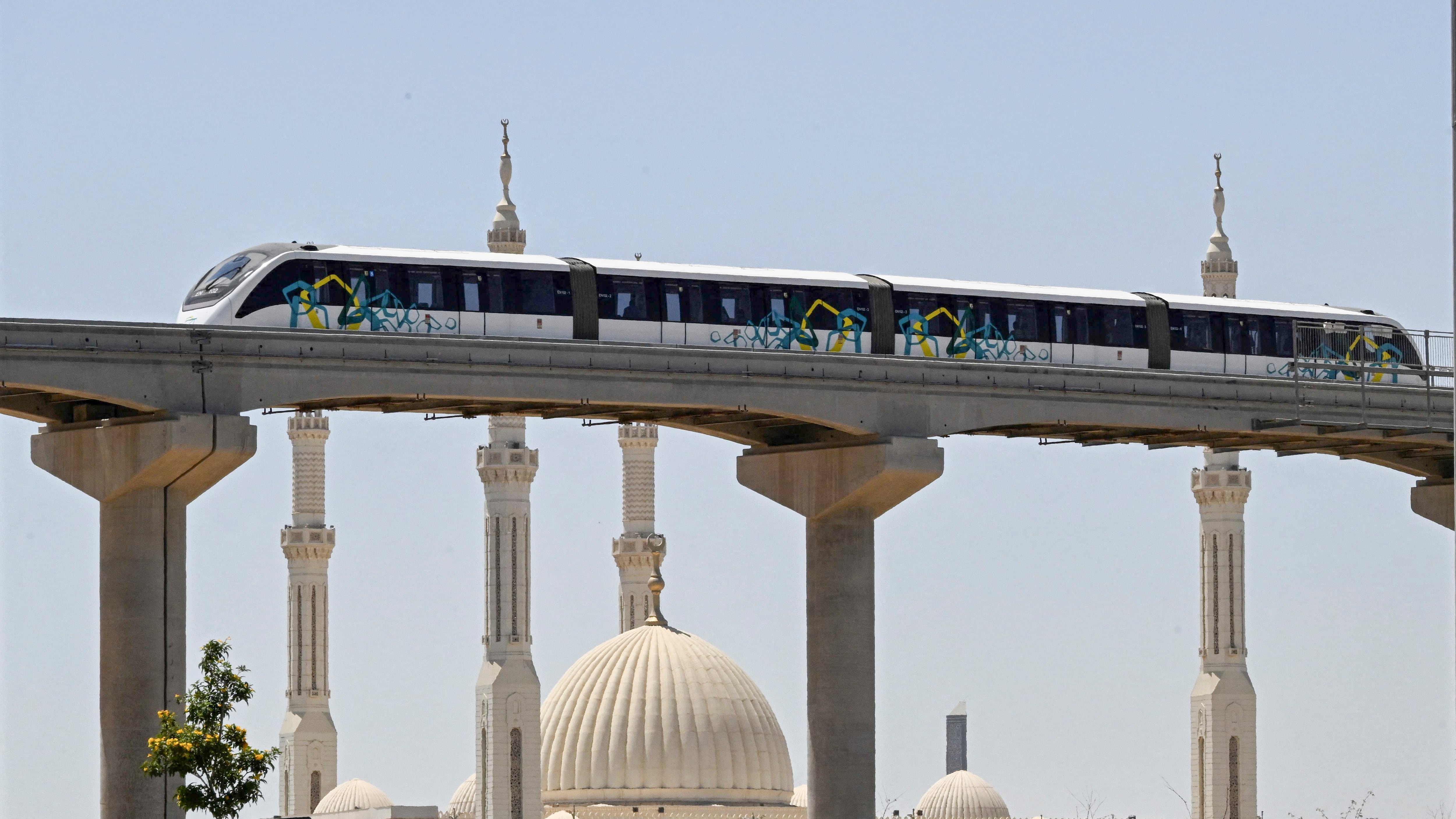
Cairo's first monorail, Africa's inaugural elevated rail system, has officially launched, but its $4.5 billion price tag raises concerns about whether it is a wise investment. The 56.5-kilometer line, inaugurated by President Abdel Fattah El Sisi on March 20, is currently operating in its first phase, connecting Al-Moshir Tantawi station in New Cairo to Justice City station in the New Administrative Capital.
A second phase, adding six more stations, is set to open in late June, linking the new capital directly to the existing metro network.
With trains running every six to eight minutes and a projected capacity of 45,000 passengers per hour in each direction, officials anticipate 500,000 to 600,000 daily riders once the West Nile line comes online next year. However, the current reality shows significantly lower attendance, with only between 30 and 50 people riding during a June afternoon.
The monorail offers four fare zones, ranging from 20 Egyptian pounds ($40 cents) for a single-zone trip of up to five stations to 80 pounds for a 22-station journey. This pricing structure is significantly higher than the flat EGP 20 fare for a 23-stop metro ride. Despite its high cost, the monorail is expected to primarily serve wealthier residents of newer eastern communities, rather than the broader population of Cairo's older, denser neighborhoods.
Built by the French company Alstom, the monorail's construction and operation are part of a debt-funded infrastructure push that has drawn criticism from economists about its potential strain on state finances. While supporters argue that the monorail provides an efficient means of transportation for commuters, critics question whether the city's needs are better met through expanding the existing metro network, which already carries 4.5 million riders daily at a fraction of the cost.
Written by urgent.news from The National UAE's reporting — not their text. Machine-written — may contain errors; check the original before relying on it.