Pop Culture Has Its Teeth in You
Jane Schoenbrun’s new film interrogates the relationship between what we watch and who we are.
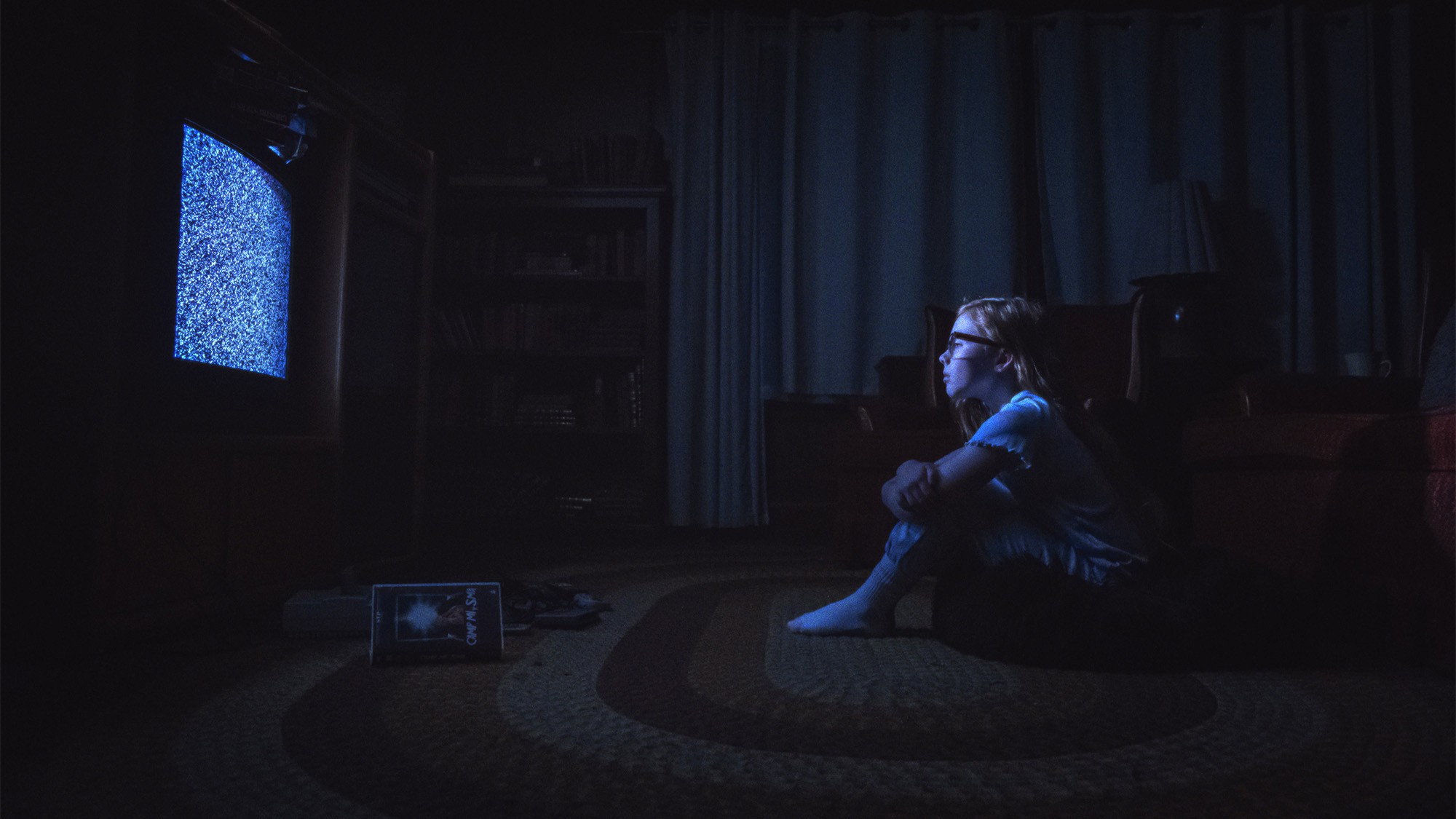
Director Jane Schoenbrun's latest film, "Teenage Sex and Death at Camp Miasma," delves into the nostalgic allure of pop culture, specifically a slasher franchise from decades past. The film follows a queer filmmaker, Kris (played by Hannah Einbinder), who is tasked with rebooting the gruesome series, Camp Miasma. As Kris works on the project, the past and present blend together, reflecting her fascination with identity and self through mass media.
Schoenbrun's previous films, such as "We're All Going to the World's Fair" and "I Saw the TV Glow," explored similar themes but with a more melancholic tone. In contrast, "Teenage Sex and Death at Camp Miasma" brings a sense of fun and playfulness to the same subject matter. The story revolves around Kris's attempts to create a "woke" and hip take on Camp Miasma while staying true to its fanbase.
As she works on the project, Kris is drawn to the camp where the original film was shot, where she reconnects with Billy Presley (played by Gillian Anderson), a reclusive actor from the first installment who refuses to participate in any of the sequels. Billy lives at the campground, seeking exposure therapy to cope with her past experiences.
As their relationship develops, "Teenage Sex and Death at Camp Miasma" transitions from an industry satire into a dreamlike reflection on the power of media and its impact on our lives. The film's stunning matte-painted backgrounds and dreamlike visuals effectively convey the surreal blend of past and present, highlighting how deeply ingrained certain movies can be in our sense of self.
Ultimately, Schoenbrun's film offers a fresh perspective on the role of pop culture in our lives today, suggesting that it's more beneficial to embrace our feelings rather than overanalyze and critique every aspect of the media we consume.
Written by urgent.news from The Atlantic's reporting — not their text. Machine-written — may contain errors; check the original before relying on it.