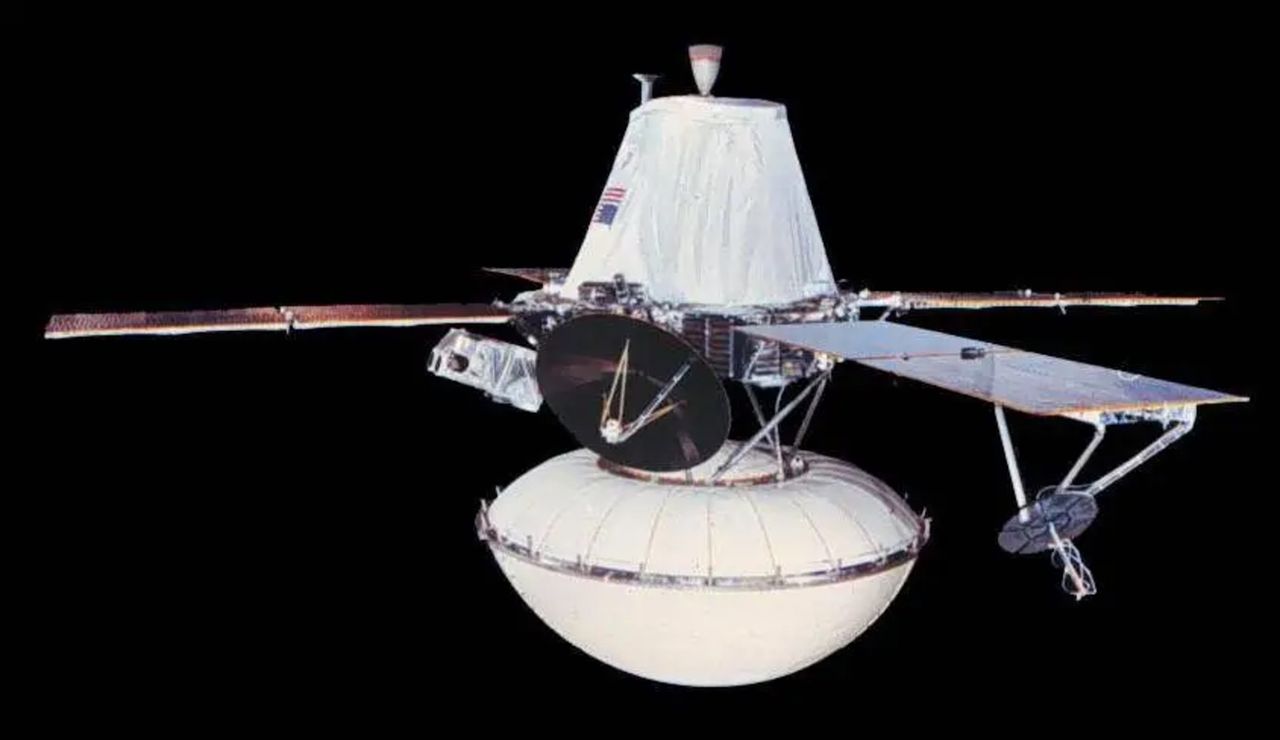
NASA’s IXPE Studies Magnetar
Scientists using NASA’s IXPE (Imaging X-ray Polarimetry Explorer) conducted more than 140 hours of observations of the magnetar 1E 1547-5408, shown in this Aug. 5, 2026, artist’s concept, between March and April 2025. In doing so, they may have captured empty space behaving in a way physicists have predicted for 90 years, but never directly […]
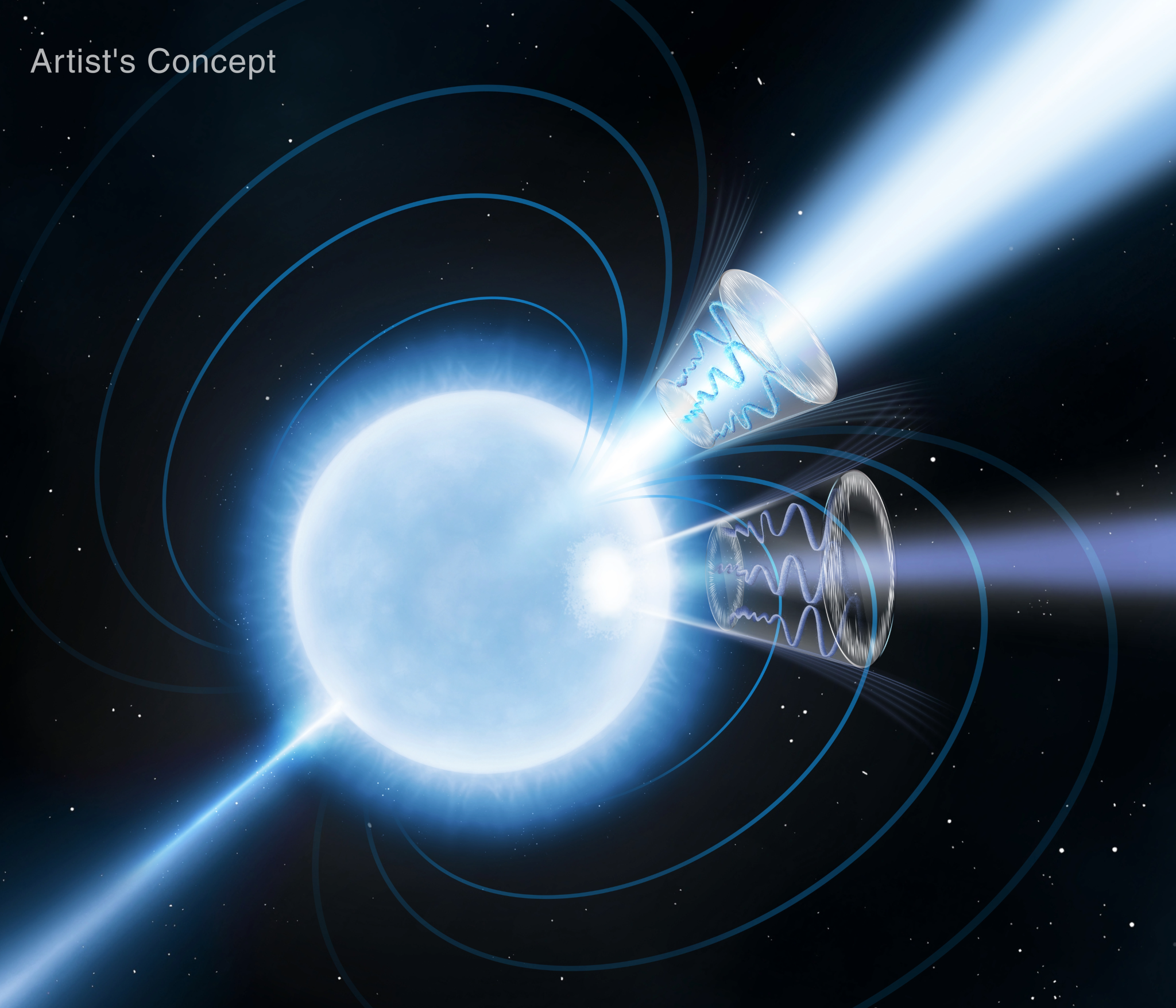
Scientists using NASA's IXPE (Imaging X-ray Polarimetry Explorer) conducted over 140 hours of observations of the magnetar 1E 1547-5408 between March and April 2025. According to NASA, this may have resulted in the capture of empty space behaving in a way physicists have predicted for 90 years, but never directly observed.
Magnetars are a special class of neutron stars with ultra-strong magnetic fields, which are the strongest of any object in the observable universe. These magnetic fields are around a trillion times stronger than the strongest permanent magnets ever built on Earth.
The observations were of a magnetar, shown in an August 5, 2026 artist's concept.
Brief written by urgent.news from NASA, NASA Science — 2 reports on this story. Machine-written — may contain errors; check the original before relying on it.