NASA figured out how to keep its 48-year-old Voyager 2 probe running for yet another year
NASA's Voyager 2 probe, which launched in 1977, can keep operating its last science instruments after a power reduction operation performed in interstellar space.
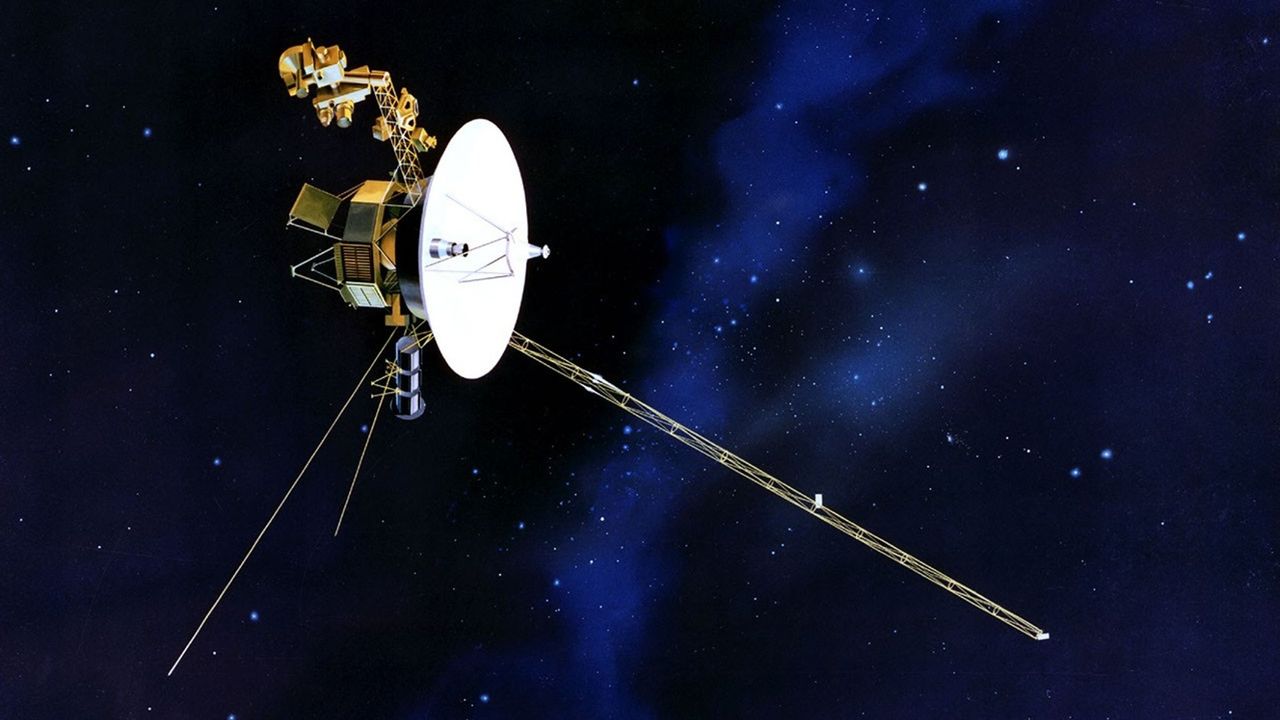
NASA has devised a strategy to extend the life of its 48-year-old Voyager 2 spacecraft for an additional year. Known as the "Big Bang," this upgrade involves powering down non-essential devices and systems to conserve the dwindling supply of nuclear battery, a radioisotope thermoelectric generator, which loses about four watts of power annually.
With only 50 years remaining in the probe's lifespan, engineers have reduced Voyager 2's power needs by turning off some scientific instruments. Initially, the twin Voyager spacecraft were launched in 1977, along with their sister probe Voyager 1, taking advantage of a rare planetary alignment. Voyager 2 and its cousin have explored the outer solar system, capturing unprecedented imagery of the gas giants and their moons.
However, with each probe now down to just three functioning instruments, the power constraints have had a significant impact on their scientific capabilities. The new power adjustments will enable all three instruments on Voyager 2 to continue operating for at least another year. A signal from Earth to either spacecraft takes nearly 24 hours to travel the distance between them.
Written by urgent.news from Space.com's reporting — not their text. Machine-written — may contain errors; check the original before relying on it.
This story
This is one outlet's version. Read the fullest account.
- NASA Figured Out How To Keep Its 48-Year-Old Voyager 2 Probe Running For Yet Another Year science.slashdot.org
- NASA grants Voyager 2 probe another year of power with risky 'Big Bang' maneuver. Now, will it work for Voyager 1? livescience.com
- NASA’s Voyager 2 survives daring ‘big bang’ maneuver scientificamerican.com
- Scientists extend instrument life on Voyager 2 probe thehill.com
- NASA to keep its 48-year-old Voyager 2 probe running for yet another year space.com
- NASA grants Voyager 2 probe another year of power with risky 'Big Bang' maneuver. Now, will it work for Voyager 1? r.smartbrief.com